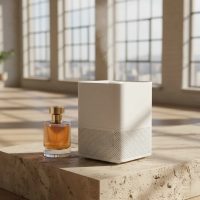
As parents, we want nothing more than for our little ones to be comfortable, happy, and healthy. Yet, the air in our homes, especially during dry seasons or with constant heating and air conditioning, can often feel anything but ideal for delicate infant respiratory systems and sensitive skin. This is where an infant humidifier can become a true nursery hero, quietly working to create a more nurturing environment for your baby. From soothing stuffy noses to guarding against dry skin, understanding and properly using an infant humidifier is key to maximizing its benefits.
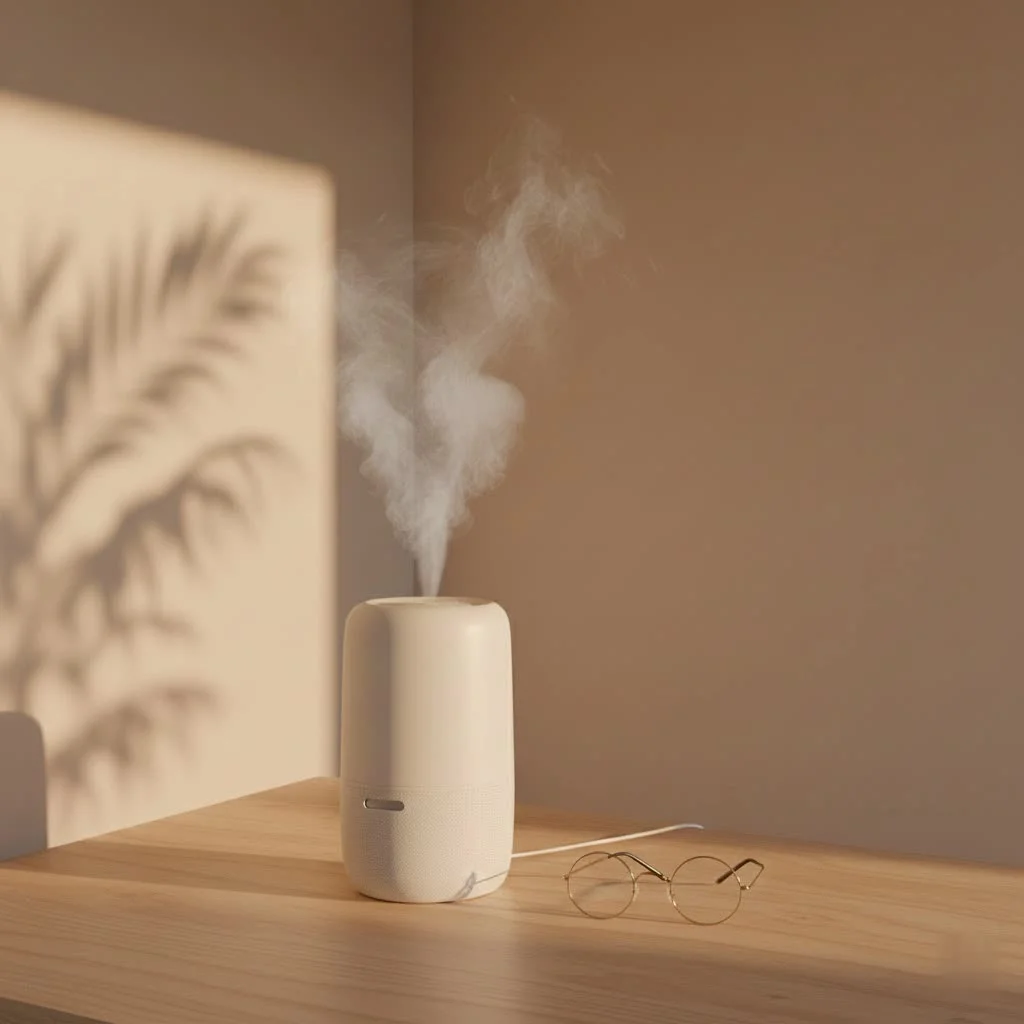
Why Your Little One Might Need an Infant Humidifier
The benefits of introducing an infant humidifier into your baby’s nursery extend far beyond simply adding moisture to the air. It’s about cultivating a space where your baby can thrive, breathe easier, and sleep more soundly.
Easing Congestion and Respiratory Discomfort
Babies are tiny, and their nasal passages are even tinier. When dry air causes mucus to thicken, it can lead to frustrating stuffy noses and coughs, which babies can’t easily clear themselves. An infant humidifier helps significantly by releasing fine moisture into the air. This moist air thins out mucus, making it easier for your baby to breathe and find relief from the discomfort of colds, flu, or seasonal allergies.
Soothing Dry Skin and Irritations
Baby skin is incredibly delicate and prone to drying out, especially in low-humidity environments. Conditions like eczema, cradle cap, and general dry, itchy patches can cause considerable distress. A well-maintained infant humidifier ensures the air has adequate moisture, which in turn helps keep your baby’s skin hydrated and supple, reducing irritation and promoting overall skin health.
Promoting Restful Sleep
Every parent knows the value of a good night’s sleep – for both baby and caregiver! When your little one is struggling with a dry throat, stuffy nose, or irritated skin, sleep can be elusive. By easing these discomforts, an infant humidifier creates a more peaceful sleeping environment. Many models also operate quietly, some even providing a gentle white noise that can further aid in your baby drifting off to a comfortable, uninterrupted slumber.
Boosting Overall Nursery Air Quality
Beyond direct comfort, maintaining optimal humidity levels (between 40-60%) in the nursery can have a broader impact on air quality. Moist air can actually help reduce the survival and transmission of airborne viruses and bacteria, creating a healthier microclimate for your baby. As Michael Chen, a Certified HVAC & Air Quality Specialist, often says, “A balanced humidity level isn’t just about comfort; it’s a proactive step in safeguarding your baby’s respiratory health.”
Choosing the Right Infant Humidifier: Cool Mist is Key
When you’re ready to select an infant humidifier, the market offers a variety of options. However, for your baby’s safety, one crucial distinction must guide your choice: always opt for a cool mist model.
Cool Mist vs. Warm Mist: A Clear Winner
|
Our Picks for the Best Humidifier in 2026
As an Amazon Associate I earn from qualifying purchases.
|
||
| Num | Product | Action |
|---|---|---|
| 1 | Delletir Cool Mist Humidifiers for Babies, Bedroom, Nursery, Home and Office - Super Quiet Ultrasonic Vaporizer, Large Top-Refill 3.5L, Essential Oil Diffuser, Auto Off, Easy Clean |

|
| 2 | DREO Humidifiers for Bedroom, Top-filled Smart Quiet Cool Mist Humidifier for Large Room, 50 Hours Runtime for Home, Indoor Plants, Oil Diffuser & Nightlight for Baby Nusery, 5L, with Alexa/Google |
|
| 3 | HealthSmart 500ML Essential Oil Diffuser for Large Rooms, Cool Mist Humidifier and Aromatherapy Diffuser, Adjustable Timer, Mist Mode and 7 LED Light Colors, White (Pack of 1) |
|
| 4 | Cool Mist Humidifiers - Essential Oil Top Fill Humidifier Cool Ultrasonic Humidifier Quiet Air Diffuser for Large Room & Easy to Clean with Filter & Oil Diffuser Plant Bedroom Humidifier |
|
| 5 | Breathe Essential Oil Blend 30 ml - Breath Sinus Relief with Menthol Oils - for Humidifiers, Diffusers, and Aromatherapy - Nexon Botanics |
|
| 6 | LEVOIT - Humidifiers for Bedroom - Quiet (3L Water Tank) - Cool Mist/Top Fill/Essential Oil Diffuser/25Watt - Home/Large Room - 360° Nozzle - Rapid Ultrasonic Humidification for Baby Nursery/Plant |
|
| 7 | Diffuserlove Essential Oil Diffusers 200ML Remote Control Ultrasonic Mist Humidifiers BPA-Free Aromatherapy Diffuser with 7 Color Lights, Auto Shut-Off for Bedroom Office Kitchen |
|
| 8 | 13L/3.43Gal Humidifier Large Room, 800ft² Coverage, 100H Runtime, Auto Humidity Control, Top Fill, Humidifiers for Bedroom, 35dB Quiet, Sleep Mode, Aroma Diffuser, 24H Timer, Auto Shut-off Protection |
|
| 9 | Zeova 9L/2.4Gal Smart Cool Mist Humidifier, Top Fill Quiet Humidifier Large Room, Covers 550ft², App & Remote Control, 60H Runtime, 7 Colors Light, 4 Mist Modes Humidifiers for Bedroom, Office, White |
|
| 10 | DREO Humidifiers for Bedroom, Cool Mist Ultrasonic Humidifier with 26dB Quiet & RGB Lighting, Top Fill 3L Tank, Easy Clean, 30 Hr Runtime for Home, Baby, Plant, Nursery, Work with Google/Alexa |
|
This is non-negotiable for nurseries. While warm mist humidifiers might seem soothing, they operate by boiling water, posing a significant burn or scalding risk if accidentally tipped over or if curious little hands reach for the steam. The American Academy of Pediatrics (AAP) strongly recommends only cool mist humidifiers for infants and young children. As Dr. Alana Sharma, a Pediatric Pulmonologist, emphasizes, “Safety is paramount in a child’s environment. Cool mist humidifiers eliminate the burn risk, allowing parents peace of mind.”
Understanding Cool Mist Types: Ultrasonic vs. Evaporative
Cool mist humidifiers generally come in two main types:
- Ultrasonic Cool Mist Humidifiers: These use high-frequency vibrations to produce a fine, visible mist. They are typically very quiet and often filter-free, making them popular. However, if using tap water, they can disperse mineral dust (often called “white dust”) and potentially microorganisms into the air. Regular cleaning and distilled water are essential.
- Evaporative Cool Mist Humidifiers: These utilize a fan to draw air through a wet wick filter, releasing invisible moisture into the room. The filter helps trap minerals and can reduce the spread of airborne particles. They tend to be self-regulating, meaning they won’t over-humidify the room, but they may be slightly noisier due to the fan and require regular filter replacement.
What to Look For When Buying
When shopping for an infant humidifier, consider these key features:
- Room Size Compatibility: Match the humidifier’s coverage area to your nursery’s square footage. A unit too small won’t be effective, while one too large could lead to over-humidification.
- Quiet Operation: A quiet humidifier won’t disturb your baby’s sleep, and many modern ultrasonic models are virtually silent.
- Ease of Cleaning: This is crucial! Humidifiers can be breeding grounds for mold and bacteria if not cleaned regularly. Look for models with wide openings, fewer nooks and crannies, and dishwasher-safe parts if available.
- Safety Features: An automatic shut-off feature that activates when the water tank is empty is a must, preventing the unit from running dry and potentially overheating.
- Additional Features: Some humidifiers come with integrated night lights, sound machines, or hygrometers (to monitor humidity), which can add convenience and functionality to your baby’s space.
Safe and Effective Use of Your Infant Humidifier
Having the right infant humidifier is just the first step. Proper usage and placement are equally important to ensure your baby reaps the full benefits without any potential downsides.
The Golden Rule of Water: Distilled is Best
Always use distilled or demineralized water in your infant humidifier. Tap water contains minerals that can create “white dust” – a fine powder that settles on surfaces and can be irritating if inhaled. More importantly, these minerals can also encourage the growth of bacteria and mold within the humidifier, which then gets aerosolized into the air your baby breathes. Filtered water is a good second option if distilled isn’t readily available.
Placement Matters
Where you place the humidifier makes a big difference.
- Distance: Position the infant humidifier about 3 to 6 feet away from your baby’s crib or sleeping area. This ensures the mist disperses evenly without directly saturating bedding or furniture, which could lead to mold growth.
- Surface: Always place the humidifier on a flat, stable, elevated surface that cannot be easily tipped over.
- Clearance: Keep it at least a foot away from walls and furniture to allow for proper air circulation and prevent moisture from accumulating in one spot.
- Cord Safety: Secure all cords and keep them well out of your baby’s reach to eliminate any strangulation or pulling hazards.
Maintaining Optimal Humidity Levels
Aim to keep the humidity level in your baby’s room between 30% and 50%. This range is generally recommended for optimal comfort and health. Too low, and you face dry air issues; too high (above 60%), and you risk promoting mold growth, dust mites, and mildew. A simple hygrometer (often built into humidifiers or available separately) can help you monitor these levels accurately. If you notice condensation on windows or walls, the humidity is too high – reduce the output or turn off the unit.
“Can I Add Essential Oils?” – A Word of Caution
While essential oils are popular for adults, never add essential oils or vapor rubs directly into your infant humidifier’s water tank or base. The oils can break down plastic components, and more critically, they can be aerosolized into fine particles that may irritate or harm your baby’s developing respiratory system. If you wish to use aromatherapy, consult your pediatrician and consider a separate diffuser specifically designed for use with infants, or apply a diluted, baby-safe rub directly to the chest as advised by a medical professional.
Keeping It Squeaky Clean: Essential Maintenance for Health
I cannot stress this enough: a dirty infant humidifier can do more harm than good. Neglecting cleaning turns your beneficial device into a potential breeding ground for mold, bacteria, and other harmful microorganisms that are then released into the air.
Daily Care Routine
Your daily cleaning ritual should be quick and easy:
- Unplug and Empty: Always unplug the unit before handling. Empty any remaining water from the tank and reservoir.
- Rinse and Dry: Rinse the tank and base thoroughly with fresh water. Use a clean cloth or paper towel to wipe down all water-exposed surfaces, ensuring they are dry.
- Refill: Refill the tank with fresh distilled water before each use.
Weekly Deep Clean
Once a week, dedicate time for a more thorough cleaning:
- Disassemble: Unplug the humidifier and disassemble all water-contacting parts.
- Clean with Solution: Create a cleaning solution. You can use:
- White Vinegar: Fill the water tank and base with undiluted white vinegar and let it sit for at least 20 minutes (or longer for stubborn mineral buildup). Use a small brush to scrub away any film or mineral deposits.
- Bleach Solution: Alternatively, a 10% bleach solution (1 teaspoon of bleach per gallon of water) can be used for disinfection. Soak for 20 minutes.
- Rinse Thoroughly: Rinse all components meticulously with fresh water until any smell of vinegar or bleach is completely gone. This is critical to ensure no lingering chemicals are released into the air.
- Air Dry: Allow all parts to air dry completely before reassembling or storing the unit. This prevents mold and bacterial growth.
Why Cleaning is Non-Negotiable
“A humidifier’s effectiveness is directly linked to its cleanliness,” advises Michael Chen. “A neglected unit can quickly become a health hazard, aerosolizing pathogens and irritating particles into the air. Regular, diligent cleaning isn’t just a recommendation; it’s an imperative for your baby’s well-being.”
Frequently Asked Questions (FAQ)
Q1: How long should I run an infant humidifier?
A1: You can run an infant humidifier for several hours, especially overnight, but avoid continuous use that leads to excessive dampness. Monitor the room’s humidity with a hygrometer and turn off the unit if levels exceed 50-60% to prevent mold growth. It’s often beneficial to run it during sleep times or when your baby is congested.
Q2: Is “white dust” from my humidifier harmful to my baby?
A2: White dust is typically mineral deposits from tap water. While generally not acutely toxic, inhaling these fine particles can irritate your baby’s delicate respiratory system, especially for those with asthma or allergies. To prevent white dust, always use distilled or demineralized water in your infant humidifier.
Q3: Can a humidifier help with baby eczema?
A3: Yes, an infant humidifier can significantly help soothe and prevent baby eczema and dry skin. Eczema often flares up in dry conditions, and by maintaining optimal humidity in the nursery, the humidifier helps keep your baby’s skin moisturized, reducing dryness, itching, and irritation.
Q4: What’s the ideal humidity for a baby’s room?
A4: The ideal humidity level for a baby’s room is between 30% and 50%. This range is comfortable for infants and helps prevent both excessively dry air and overly humid conditions, which could lead to mold growth or dust mite proliferation. Use a hygrometer to accurately monitor the levels.
Q5: Do I really need to clean my humidifier daily?
A5: Yes, a daily rinse and dry of the water tank and reservoir are highly recommended. Water left stagnant in a humidifier can quickly become a breeding ground for bacteria and mold. A thorough deep clean with vinegar or a mild disinfectant should be performed weekly to ensure your infant humidifier remains a safe and beneficial appliance.
Bringing an infant humidifier into your baby’s nursery can be a game-changer for their comfort and health. By choosing a cool mist model, using distilled water, ensuring proper placement, and committing to a consistent cleaning routine, you’re not just adding moisture to the air—you’re cultivating a healthier, more comfortable sanctuary for your little one. Embrace the power of balanced humidity, and watch your baby breathe easier, sleep better, and thrive in their perfectly optimized environment.
Get our weekly buyer guide
Practical specs, not advice. Unsubscribe anytime.