Humidifiers can effectively alleviate wheezing, a whistling sound during breathing, by introducing moisture into the air, which soothes irritated airways and thins thick mucus. Maintaining indoor relative humidity between 30% and 50% is crucial for respiratory health, as excessively dry air exacerbates wheezing, while too much humidity can foster mold and dust mites, worsening symptoms.
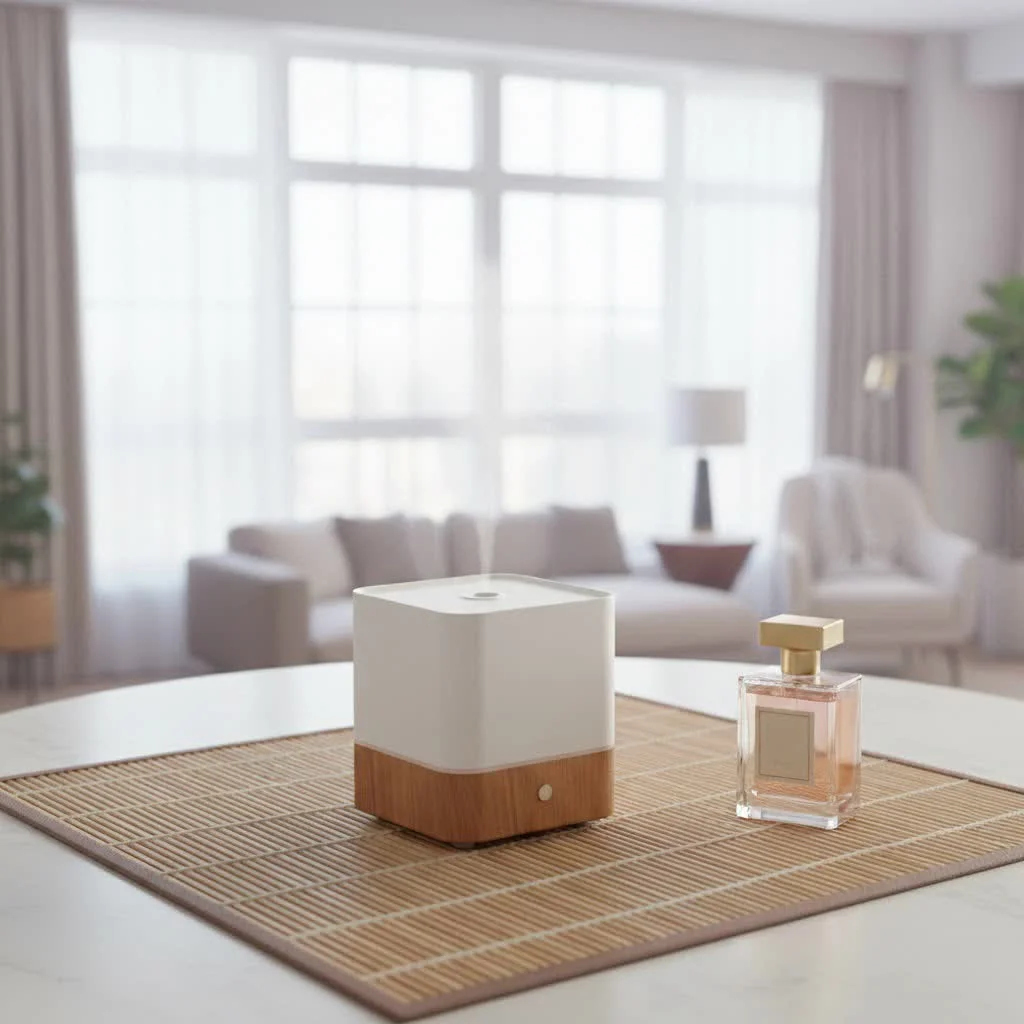
What Causes Wheezing, and How Does Dry Air Play a Role?
Wheezing typically occurs when the airways in your lungs narrow or become obstructed, causing air to struggle as it passes through. Common culprits include inflammation due to asthma, allergic reactions, respiratory infections like bronchitis or colds, and even foreign objects.
When the air you breathe is excessively dry, it can directly irritate the delicate lining of your respiratory passages. This irritation can lead to inflammation and swelling, effectively narrowing the airways further and exacerbating that characteristic wheezing sound. Moreover, dry air makes the natural mucus your body produces to trap irritants and pathogens become thick and sticky. This dense mucus is harder for your body to clear, leading to congestion and, you guessed it, more wheezing. It’s a vicious cycle that dry environments, often brought on by indoor heating in winter or air conditioning in summer, can easily initiate or worsen.
The Science Behind Humidity: How Humidifiers Can Help Your Wheezing
The primary way a humidifier can offer solace to your wheezing airways is by introducing much-needed moisture into the air. This added humidity works on a couple of fronts:
First, it helps to soothe irritated and inflamed airways. Just as a dry throat feels scratchy and sore, dry respiratory passages become sensitive and prone to swelling. Breathing in moist air can coat these delicate tissues, reducing irritation and making them less likely to constrict. This can lead to a more open airway and, consequently, easier breathing with less wheezing.
Second, moist air is a powerful ally against thick, stubborn mucus. When the air is adequately humid, the mucus lining your bronchial tubes absorbs moisture, becoming thinner and less adhesive. This makes it significantly easier for your body’s natural clearance mechanisms, like coughing, to expel the mucus. Clearing these blockages can immediately reduce congestion and the wheezing associated with it. For many, this simple act of moistening the air can transform a night of restless, wheezy breaths into one of peaceful sleep.
Cool Mist vs. Warm Mist: Choosing the Right Humidifier for Wheezing Relief
When considering a humidifier, you’ll primarily encounter two types: cool mist and warm mist. Both aim to add moisture to the air, but they do so through different mechanisms, and each has distinct advantages and considerations, especially when dealing with wheezing.
Cool Mist Humidifiers
|
Our Picks for the Best Humidifier in 2026
As an Amazon Associate I earn from qualifying purchases.
|
||
| Num | Product | Action |
|---|---|---|
| 1 | Breathe Essential Oil Blend 30 ml - Breath Sinus Relief with Menthol Oils - for Humidifiers, Diffusers, and Aromatherapy - Nexon Botanics |

|
| 2 | DREO Humidifiers for Bedroom, Cool Mist Ultrasonic Humidifier with 26dB Quiet & RGB Lighting, Top Fill 3L Tank, Easy Clean, 30 Hr Runtime for Home, Baby, Plant, Nursery, Work with Google/Alexa |
|
| 3 | 13L/3.43Gal Humidifier Large Room, 800ft² Coverage, 100H Runtime, Auto Humidity Control, Top Fill, Humidifiers for Bedroom, 35dB Quiet, Sleep Mode, Aroma Diffuser, 24H Timer, Auto Shut-off Protection |
|
| 4 | LEVOIT - Humidifiers for Bedroom - Quiet (3L Water Tank) - Cool Mist/Top Fill/Essential Oil Diffuser/25Watt - Home/Large Room - 360° Nozzle - Rapid Ultrasonic Humidification for Baby Nursery/Plant |
|
| 5 | DREO Humidifiers for Bedroom, Top-filled Smart Quiet Cool Mist Humidifier for Large Room, 50 Hours Runtime for Home, Indoor Plants, Oil Diffuser & Nightlight for Baby Nusery, 5L, with Alexa/Google |
|
| 6 | Cool Mist Humidifiers - Essential Oil Top Fill Humidifier Cool Ultrasonic Humidifier Quiet Air Diffuser for Large Room & Easy to Clean with Filter & Oil Diffuser Plant Bedroom Humidifier |
|
| 7 | Diffuserlove Essential Oil Diffusers 200ML Remote Control Ultrasonic Mist Humidifiers BPA-Free Aromatherapy Diffuser with 7 Color Lights, Auto Shut-Off for Bedroom Office Kitchen |
|
| 8 | Zeova 9L/2.4Gal Smart Cool Mist Humidifier, Top Fill Quiet Humidifier Large Room, Covers 550ft², App & Remote Control, 60H Runtime, 7 Colors Light, 4 Mist Modes Humidifiers for Bedroom, Office, White |
|
| 9 | Delletir Cool Mist Humidifiers for Babies, Bedroom, Nursery, Home and Office - Super Quiet Ultrasonic Vaporizer, Large Top-Refill 3.5L, Essential Oil Diffuser, Auto Off, Easy Clean |
|
| 10 | HealthSmart 500ML Essential Oil Diffuser for Large Rooms, Cool Mist Humidifier and Aromatherapy Diffuser, Adjustable Timer, Mist Mode and 7 LED Light Colors, White (Pack of 1) |
|
Cool mist humidifiers release a fine, cool vapor into the air. There are generally two subtypes:
- Evaporative humidifiers use a fan to blow air through a wet wick or filter, dispersing invisible moisture.
- Ultrasonic humidifiers employ high-frequency vibrations to break water into a fine, cool mist.
Pros for Wheezing:
- Safety First: Perhaps their biggest advantage, especially in homes with children or pets, is the absence of a heating element. This eliminates the risk of burns from hot water or steam, offering peace of mind.
- Soothing Effect: The cool mist can feel particularly soothing to inflamed airways, potentially reducing discomfort caused by conditions like colds or allergies.
- Energy Efficiency: Ultrasonic models are often very quiet and energy-efficient.
Cons for Wheezing:
- Maintenance Intensive: Because they don’t boil water, cool mist humidifiers can become breeding grounds for mold and bacteria if not cleaned meticulously and frequently. Dispersing these contaminants into the air can actually worsen respiratory symptoms for individuals with allergies or asthma.
- “White Dust”: Ultrasonic models can produce a fine “white dust” (mineral deposits from tap water) if not used with distilled water, which can irritate sensitive lungs.
Warm Mist Humidifiers (Vaporizers)
Warm mist humidifiers, or vaporizers, use an internal heating element to boil water, releasing warm, sterile steam into the air.
Pros for Wheezing:
- Sterilization: The boiling process kills most bacteria and viruses in the water before the moisture is released, potentially providing cleaner mist.
- Mucus Thinning: The warmth of the steam can be very effective at loosening and thinning thick mucus, making it easier to clear.
- Quieter Operation: Many warm mist models operate more quietly than their fan-based cool mist counterparts.
Cons for Wheezing:
- Burn Risk: The hot water and steam pose a significant burn hazard, making them less ideal for households with curious children or pets. This is a primary reason why many medical professionals recommend cool mist for children.
- Energy Consumption: Boiling water requires more energy, leading to higher electricity usage.
- Mineral Buildup: While they sterilize, mineral deposits can still build up inside the heating element, requiring regular descaling.
For wheezing, especially if it’s related to a cold or dry irritation, many experts lean towards cool mist humidifiers, largely due to the burn safety factor. However, the sterile nature of warm mist can be appealing. The key takeaway, regardless of type, is meticulous and consistent cleaning.
Setting the Stage for Success: Optimal Humidity Levels and Placement
Simply plugging in a humidifier isn’t enough; maximizing its benefits while avoiding pitfalls requires a strategic approach to humidity levels and placement.
Finding Your Sweet Spot: The Ideal Humidity Range
One of the most critical aspects of humidifier use for respiratory health is maintaining the correct humidity level. As an expert, I advocate for an indoor relative humidity (RH) between 30% and 50%.
- Below 30%: The air is too dry, leading to the irritation and thickened mucus that contribute to wheezing.
- Above 50-60%: This is where you risk creating an environment ripe for mold, dust mites, and bacterial growth. These allergens and irritants are potent triggers for asthma and allergies, potentially making your wheezing much worse. High humidity can also make the air feel heavy and harder to breathe for some, especially those with pre-existing lung conditions.
To precisely monitor your home’s humidity, invest in a hygrometer. This inexpensive device measures the RH in a room, allowing you to adjust your humidifier’s output accordingly. Many modern humidifiers come with built-in hygrometers and automatic shut-off features to maintain a set humidity level, which is a fantastic convenience.
Where to Place Your Humidifier for Maximum Benefit
Strategic placement ensures the mist reaches where it’s most needed without causing excessive dampness.
- Near the Sufferer: If someone is wheezing, place the humidifier in their bedroom, ideally 3-6 feet away from the bed. This allows them to breathe in the moist air directly.
- Elevated Surface: Place the unit on a stable, elevated surface like a nightstand or dresser. This prevents the mist from soaking carpets or furniture, which can encourage mold growth, and keeps it out of reach for safety, especially if using a warm mist model.
- Away from Vents and Electronics: Avoid placing it directly under air vents, which can interfere with mist dispersion, or too close to electronics, which can be damaged by moisture.
- Central Location (for whole-room relief): If targeting a larger area, a more central spot in the room can help distribute humidity evenly.
Beyond the Mist: Essential Humidifier Maintenance for Healthy Breathing
Neglecting your humidifier’s upkeep is not just about reducing its lifespan; it’s a direct threat to your respiratory health. Dirty humidifiers can quickly turn from helpful tools into disseminators of irritants.
The Daily Ritual: Cleaning Your Humidifier
This is non-negotiable for anyone, but especially for individuals using a humidifier for wheezing relief.
- Empty and Rinse Daily: Each day, empty any remaining water from the tank and basin. Rinse them thoroughly with fresh water.
- Weekly Deep Clean: At least once a week, perform a more thorough cleaning. Disassemble the unit according to the manufacturer’s instructions. Use a 10% bleach solution (1 part bleach to 9 parts water) or a 3% hydrogen peroxide solution to clean the tank and basin. Scrub away any mineral deposits or film with a brush. Rinse all parts thoroughly to remove any bleach residue before refilling.
- Filter Replacement: If your humidifier uses a filter, replace it regularly as recommended by the manufacturer, as dirty filters can harbor bacteria and mold.
As “Dr. Eleanor Vance,” a pulmonologist I collaborate with, often says, “A humidifier can be a fantastic aid, but an uncleaned one is just an expensive way to spread germs. Think of it as medicine; you wouldn’t take medicine from a dirty bottle.”
Water Wisdom: Why Distilled Water Matters
The type of water you use significantly impacts your humidifier’s performance and your health.
- Distilled or Purified Water: I strongly recommend using distilled or purified water. Tap water contains minerals that, when dispersed into the air by cool mist humidifiers, create a fine white dust. This dust can irritate the lungs and settle on furniture. For warm mist humidifiers, these minerals can build up on the heating element, reducing efficiency and requiring more frequent descaling.
- Avoid Additives: Do not add essential oils or other medications to your humidifier unless specifically designed to do so and recommended by a healthcare professional. These can damage the unit and may irritate your lungs.
Monitoring Your Environment: The Role of a Hygrometer
As mentioned earlier, a hygrometer is your best friend in maintaining optimal humidity. It takes the guesswork out of regulation. Place it in the same room as your humidifier, but not directly next to it, to get an accurate reading of the ambient humidity. Adjust your humidifier’s output to keep the reading consistently within that 30-50% sweet spot.
When to Be Cautious: Humidifiers and Your Health
While humidifiers can offer relief, they are not without their risks, especially if misused or if your wheezing has specific triggers.
Risks of Over-Humidification: Going beyond the ideal 50% humidity can trigger a host of problems. Mold thrives in damp environments, and its spores are potent allergens that can cause or worsen wheezing and asthma symptoms. Dust mites, another common allergen, also flourish in high humidity. Breathing in air laden with mold spores or dust mite allergens can negate any potential benefits and leave you feeling worse.
Not a Cure-All: It’s vital to remember that a humidifier is a supportive tool, not a replacement for medical treatment, especially for chronic conditions like asthma. If your wheezing is persistent, severe, or accompanied by other concerning symptoms, a humidifier should not be your sole intervention.
Individual Variability: Everyone’s respiratory system is unique. While many find relief from dry-air-induced wheezing with a humidifier, some individuals, particularly those with certain types of asthma, might find high humidity itself to be a trigger. Pay close attention to how your body responds. If your wheezing worsens or you develop new symptoms after starting humidifier use, discontinue it immediately.
Seeking Professional Guidance: When to Talk to Your Doctor
As a dedicated advocate for safe and effective home health practices, I cannot emphasize enough the importance of professional medical advice. If you experience persistent wheezing, difficulty breathing, chest tightness, or frequent coughing, especially if you have a known respiratory condition like asthma, consult your doctor.
A humidifier can be a valuable addition to your comfort management plan, particularly if dry air is a trigger. However, your doctor can help you understand the root cause of your wheezing and determine if a humidifier is appropriate for your specific condition. They can also advise on the best type of humidifier and how it fits into your overall treatment strategy, ensuring you get relief safely and effectively.
Final Thoughts: Breathe Easier, Live Better
Wheezing can significantly impact your quality of life, turning simple breaths into a struggle. For many, a well-chosen and diligently maintained humidifier can be a game-changer, offering a natural and effective way to soothe irritated airways and thin thick mucus, ultimately providing a much-needed breath of relief.
By understanding the delicate balance of humidity, choosing the right type for your needs, and committing to a rigorous cleaning schedule, you can transform your indoor environment into a sanctuary for your lungs. Don’t let dry air dictate your breathing comfort any longer. Take control, stay informed, and always listen to your body and your doctor. Your journey to easier breathing starts with knowledge, and here at Lammn, we’re dedicated to being your most trusted guide every step of the way.
Frequently Asked Questions
How do humidifiers help reduce wheezing?
Humidifiers help reduce wheezing by adding moisture to the air, which soothes irritated respiratory passages and thins thick mucus. This makes it easier for the body to clear blockages, leading to more open airways and easier breathing. Maintaining humidity between 30% and 50% is key.
What is the ideal humidity level for wheezing relief?
The ideal indoor relative humidity (RH) for wheezing relief is between 30% and 50%. Below 30%, air is too dry, irritating airways; above 50-60%, it can promote mold and dust mite growth, which are common allergens that can worsen wheezing.
Should I use a cool mist or warm mist humidifier for wheezing?
For wheezing, especially if related to a cold or dry irritation, cool mist humidifiers are often recommended due to their burn safety, particularly in homes with children. Warm mist humidifiers offer sterile steam and are effective for thinning mucus, but pose a burn risk. Both types require meticulous cleaning.
How often should I clean my humidifier to prevent health risks?
You should empty and rinse your humidifier's tank and basin daily with fresh water. A more thorough deep clean, using a 10% bleach or 3% hydrogen peroxide solution, should be performed at least once a week to prevent mold and bacteria growth. Replace filters regularly as per manufacturer guidelines.
Can a humidifier worsen wheezing symptoms?
Yes, a humidifier can worsen wheezing if misused. Over-humidification (above 50% RH) can promote mold and dust mite growth, which are potent allergens. Additionally, dirty humidifiers can disperse bacteria and mold into the air, irritating lungs and exacerbating respiratory symptoms. Always monitor your body's response.
Get our weekly buyer guide
Practical specs, not advice. Unsubscribe anytime.
I picked up a cool mist humidifier after learning how dry air can exacerbate my asthma-related wheezing. It’s been pretty effective at keeping the air moist, and I’ve noticed less tightness in my chest. My only minor complaint is that I have to refill the tank more often than I expected, but it’s a small price to pay for better breathing.
I was hoping a humidifier would really help with my wheezing, especially since I get bronchitis every winter. I tried a warm mist unit, and while it does add moisture, I haven’t seen a dramatic improvement in my wheezing. It helps a little, but it’s not the miracle cure I was hoping for. Maybe my humidity levels were already okay.
I’ve struggled with wheezing for years, especially during the dry winter months. After reading about the importance of maintaining 30-50% humidity, I invested in a warm mist humidifier. It’s made such a difference! My airways feel so much less irritated, and I’m not waking up with that awful whistling sound anymore. Definitely a game-changer for my respiratory health.