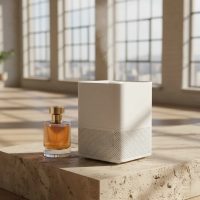
In our modern world, where indoor environments are meticulously controlled, it’s easy to overlook the subtle yet significant impact of air quality on our well-being. Dry indoor air, often a byproduct of heating and air conditioning systems, can lead to a host of discomforts – from parched skin and irritated sinuses to restless nights. This is where the humble but mighty small humidifier steps in as a game-changer. These compact devices are designed to efficiently add much-needed moisture back into your personal space, transforming dry, stale air into a breathable, comfortable haven. Whether you’re battling seasonal dryness, seeking relief from allergy symptoms, or simply aiming for a more serene environment, understanding how to choose, use, and maintain the right small humidifier is key to unlocking a world of enhanced comfort and health.
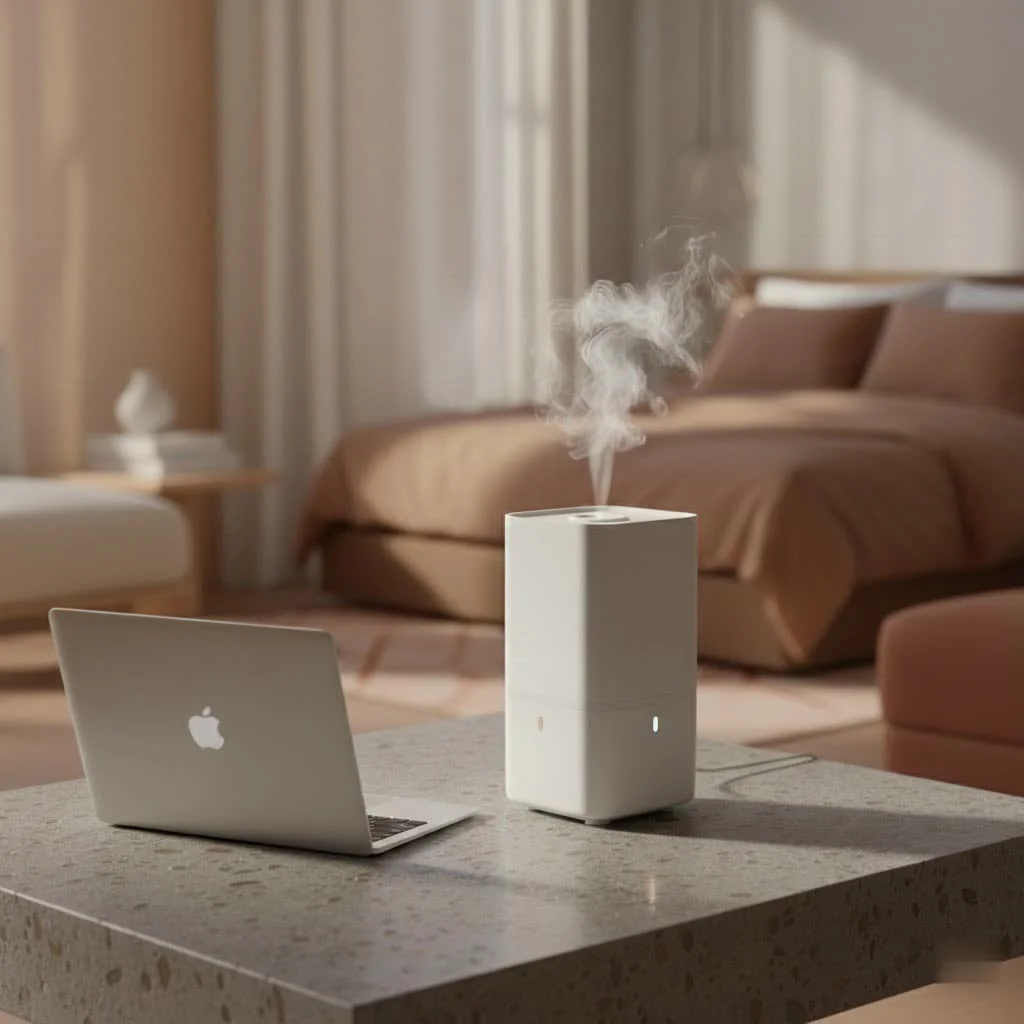
Why You Need a Small Humidifier: Big Benefits in a Compact Package
Don’t let their size fool you; small humidifiers pack a powerful punch when it comes to improving your immediate environment. These unassuming gadgets offer a myriad of benefits that extend beyond just adding moisture to the air.
Enhanced Comfort and Well-being
One of the most immediate and noticeable advantages of using a small humidifier is the relief it brings to your body.
- Relief from Dry Skin and Irritation: Dry air can strip your skin of its natural moisture, leading to tightness, flakiness, chapped lips, and even aggravated conditions like eczema. A humidifier helps maintain optimal skin hydration, leaving it feeling softer and more supple. It also soothes dry eyes, a common complaint for those who spend long hours in front of screens or in arid climates.
- Better Respiratory Health: When the air is dry, your nasal passages and throat can become irritated, leading to congestion, a scratchy throat, and even nosebleeds. Introducing moisture with a personal humidifier helps to lubricate these delicate membranes, making breathing easier and reducing the severity of cold, flu, and allergy symptoms. For many, this means fewer coughs and less discomfort.
- Improved Sleep Quality: Imagine waking up feeling refreshed, without the usual dry mouth or irritated sinuses. A small humidifier can contribute significantly to a more restful night’s sleep by alleviating nighttime congestion and preventing the dryness that often leads to snoring. When your airways are properly hydrated, you can breathe more freely, promoting deeper and more comfortable slumber.
Protecting Your Environment
Beyond personal health, the benefits of maintaining appropriate humidity levels extend to your surroundings.
- Preserving Wood Furnishings: Dry air can wreak havoc on wooden furniture, floors, and musical instruments, causing them to crack, warp, or become brittle over time. A consistent humidity level helps preserve the integrity and lifespan of these cherished items.
- Healthier Plants: Just like us, many houseplants thrive in a humid environment. Introducing a small humidifier near your beloved greenery can prevent leaf crisping and encourage lush, vibrant growth, transforming your home into a mini indoor jungle.
Boosted Focus and Productivity
|
Our Picks for the Best Humidifier in 2026
As an Amazon Associate I earn from qualifying purchases.
|
||
| Num | Product | Action |
|---|---|---|
| 1 | Cool Mist Humidifiers - Essential Oil Top Fill Humidifier Cool Ultrasonic Humidifier Quiet Air Diffuser for Large Room & Easy to Clean with Filter & Oil Diffuser Plant Bedroom Humidifier |

|
| 2 | LEVOIT - Humidifiers for Bedroom - Quiet (3L Water Tank) - Cool Mist/Top Fill/Essential Oil Diffuser/25Watt - Home/Large Room - 360° Nozzle - Rapid Ultrasonic Humidification for Baby Nursery/Plant |
|
| 3 | 13L/3.43Gal Humidifier Large Room, 800ft² Coverage, 100H Runtime, Auto Humidity Control, Top Fill, Humidifiers for Bedroom, 35dB Quiet, Sleep Mode, Aroma Diffuser, 24H Timer, Auto Shut-off Protection |
|
| 4 | Breathe Essential Oil Blend 30 ml - Breath Sinus Relief with Menthol Oils - for Humidifiers, Diffusers, and Aromatherapy - Nexon Botanics |
|
| 5 | DREO Humidifiers for Bedroom, Top-filled Smart Quiet Cool Mist Humidifier for Large Room, 50 Hours Runtime for Home, Indoor Plants, Oil Diffuser & Nightlight for Baby Nusery, 5L, with Alexa/Google |
|
| 6 | DREO Humidifiers for Bedroom, Cool Mist Ultrasonic Humidifier with 26dB Quiet & RGB Lighting, Top Fill 3L Tank, Easy Clean, 30 Hr Runtime for Home, Baby, Plant, Nursery, Work with Google/Alexa |
|
| 7 | Delletir Cool Mist Humidifiers for Babies, Bedroom, Nursery, Home and Office - Super Quiet Ultrasonic Vaporizer, Large Top-Refill 3.5L, Essential Oil Diffuser, Auto Off, Easy Clean |
|
| 8 | Diffuserlove Essential Oil Diffusers 200ML Remote Control Ultrasonic Mist Humidifiers BPA-Free Aromatherapy Diffuser with 7 Color Lights, Auto Shut-Off for Bedroom Office Kitchen |
|
| 9 | Zeova 9L/2.4Gal Smart Cool Mist Humidifier, Top Fill Quiet Humidifier Large Room, Covers 550ft², App & Remote Control, 60H Runtime, 7 Colors Light, 4 Mist Modes Humidifiers for Bedroom, Office, White |
|
| 10 | HealthSmart 500ML Essential Oil Diffuser for Large Rooms, Cool Mist Humidifier and Aromatherapy Diffuser, Adjustable Timer, Mist Mode and 7 LED Light Colors, White (Pack of 1) |
|
Subtle discomforts, like a dry throat or strained eyes, can be surprisingly distracting and energy-draining, especially during long work or study sessions. By mitigating these physical irritations, a personal humidifier helps you stay comfortable and focused, allowing your brain to concentrate more effectively and boosting your overall productivity.
Understanding Small Humidifier Types
When venturing into the world of small humidifiers, you’ll primarily encounter a couple of key technologies, each with its own set of advantages.
Ultrasonic Humidifiers
These are arguably the most popular type for personal and small-room use.
- How They Work: Ultrasonic humidifiers use a metal diaphragm that vibrates at an ultrasonic frequency, creating a fine, cool mist of water droplets that are then dispersed into the air.
- Pros: They are known for their exceptionally quiet operation, making them ideal for bedrooms and office desks. They are also energy-efficient and typically don’t require filters, though some models may have a demineralization cartridge.
- Cons: If you use hard tap water, ultrasonic humidifiers can produce “white dust” – a residue of minerals dispersed into the air, which can settle on surfaces. This can be mitigated by using distilled or demineralized water.
Evaporative Humidifiers
While often larger, some smaller versions of evaporative humidifiers are available.
- How They Work: These humidifiers use a fan to draw dry air through a wet wick or filter, which absorbs water from a reservoir. As the air passes through the saturated filter, it picks up moisture and is released as an invisible, cool mist.
- Pros: Evaporative models are self-regulating, meaning they won’t over-humidify a room. They also trap minerals in the filter, preventing white dust.
- Cons: They tend to be noisier due to the fan operation and require regular filter replacement, which is an ongoing cost and maintenance task.
While warm mist or steam vaporizers exist, they are generally less common for small portable units due to the heating element making them less energy-efficient and potentially posing a burn risk for very small, desk-side models. For a truly compact and personal small humidifier, cool mist ultrasonic models are usually the go-to.
Key Features to Look for in a Small Humidifier
Choosing the right small humidifier involves considering several factors that will impact its effectiveness and suitability for your lifestyle.
- Size and Portability: This is fundamental for a small humidifier. Consider where you’ll primarily use it. Are you looking for a compact unit for your office desk, a quiet companion for your bedside table, a versatile device for travel, or one that fits in your car’s cup holder? Many models are USB-powered, offering flexibility for on-the-go use.
- Capacity and Runtime: Tank size dictates how often you’ll need to refill the unit. A personal humidifier might run for 6-8 hours, perfect for a workday or night’s sleep, while slightly larger small-room models can offer 24-40 hours of continuous operation. Match the capacity to your usage needs to avoid constant refilling.
- Noise Level: For personal spaces like bedrooms or offices, quiet operation is paramount. Ultrasonic small humidifiers are generally the quietest, often operating below 30 dB, which is barely a whisper. Look for models specifically marketed as “whisper-quiet” or with a “sleep mode.”
- Ease of Filling and Cleaning: This is a crucial aspect of long-term satisfaction. Top-fill designs make refilling incredibly simple, often allowing you to pour water directly from a pitcher. Models with wide tank openings or filter-free designs are much easier to clean, preventing the buildup of mold and bacteria. Some even feature dishwasher-safe parts.
- Safety Features: An automatic shut-off feature is a must-have for any humidifier. This ensures the unit turns off when the water level is low, preventing damage and ensuring safety, especially when used overnight.
- Additional Conveniences:
- Night Light/LED Lamp: Many small humidifiers include soft, ambient lighting, perfect for a child’s room or creating a soothing atmosphere.
- Essential Oil Diffuser: Some models come with a separate tray or chamber for adding essential oils, allowing your humidifier to double as an aromatherapy diffuser.
- USB Power: Ideal for ultimate portability, allowing you to power your humidifier from a laptop, power bank, or car adapter.
- Smart Features/Humidity Control: While less common on basic small units, some advanced models for small rooms may offer app control, timers, or an adjustable humidistat to maintain a specific humidity percentage.
Optimal Placement and Use: Getting the Most from Your Small Humidifier
Proper placement and mindful usage are essential for maximizing the benefits and maintaining the longevity of your small humidifier.
- Ideal Humidity Levels: For optimal comfort and health, aim to keep your indoor humidity levels between 35% and 50%. Levels below 30% can contribute to dryness, while above 50-60% can encourage mold growth. A hygrometer (a device that measures humidity) can help you monitor this.
- Strategic Placement: Place your humidifier on a flat, stable surface, ideally a few feet away from you and any porous materials like curtains, upholstery, or clothes. This prevents potential dampness and helps to evenly distribute the mist. Avoid placing it directly on wood furniture without a protective mat underneath.
- Water Type: To prevent mineral buildup (white dust) and extend the life of your unit, especially ultrasonic models, always use distilled or demineralized water. Tap water contains minerals that can be dispersed into the air and accumulate within the humidifier.
Maintaining Your Small Humidifier: A Lifespan of Healthy Mist
Regular maintenance is not just about extending your small humidifier’s life; it’s crucial for your health. A neglected humidifier can become a breeding ground for bacteria and mold, which can then be released into the air you breathe.
- Regular Cleaning Routine: Aim to clean your humidifier every one to three days. Start by unplugging the unit and emptying any remaining water. Disassemble the tank and base, then scrub away any film or mineral residue with a brush and a mild soap solution. For thorough disinfection, a 3% hydrogen peroxide solution or a vinegar-and-water mixture can be used, followed by a rinse. Always refer to your manufacturer’s instructions for specific cleaning guidelines.
- Preventing Mold and Mineral Buildup: Beyond regular cleaning, always empty and dry the water tank completely when the humidifier is not in use for an extended period. Using distilled water is your best defense against mineral accumulation.
- When to Replace Filters (if applicable): If your evaporative humidifier has a filter, follow the manufacturer’s recommendations for replacement, typically every 1-3 months, depending on usage and water quality. A dirty filter reduces efficiency and can harbor contaminants.
“Many people underestimate the power of a small humidifier to dramatically improve their daily comfort,” says Dr. Elias Thorne, a veteran systems engineer specializing in humidification. “But the real magic happens with diligent maintenance. Treat your humidifier like any other health appliance, and it will reward you with clean, beneficial moisture for years to come.”
Frequently Asked Questions (FAQ)
What’s the ideal room size for a small humidifier?
Small humidifiers are typically designed for personal spaces, ranging from 10-50 square feet for very compact units (like those for a desk or car) up to 150-500 square feet for bedroom-specific models. Always check the manufacturer’s specifications for coverage area.
Can I use essential oils in any small humidifier?
No. Only use essential oils in humidifiers that are specifically designed with an essential oil diffuser tray or chamber. Using oils directly in the water tank of a regular humidifier can damage the unit and void its warranty.
How often should I clean my small humidifier?
For optimal health and performance, it’s recommended to clean your small humidifier every 1 to 3 days, especially if used regularly. A thorough disinfection should be performed at least once a week.
What kind of water should I use in my small humidifier?
Distilled or demineralized water is highly recommended. This prevents mineral buildup, also known as “white dust,” which can be released into the air by ultrasonic humidifiers and accumulate on surfaces.
Are small humidifiers noisy?
Many small humidifiers, particularly ultrasonic cool mist models, are designed to be whisper-quiet, making them ideal for bedrooms and offices where noise levels are a concern. Look for models with decibel ratings below 30dB.
Can a small humidifier really help with allergies?
Yes, a small humidifier can help alleviate allergy symptoms by adding moisture to the air. This helps soothe irritated nasal passages and throats, making it easier to breathe and potentially reducing congestion, especially in dry environments.
Conclusion
The journey to better indoor air quality often begins with small, deliberate steps. A small humidifier, though compact in design, offers substantial benefits, from soothing dry skin and improving respiratory health to fostering a more restful night’s sleep. By understanding the different types available, discerning the key features that matter most to you, and committing to simple yet crucial maintenance practices, you empower yourself to create an environment that truly nurtures your well-being.
As a trusted resource at Lammn, we encourage you to confidently select and integrate a small humidifier into your daily routine. Experience the profound difference that properly hydrated air can make in your life. Embrace the comfort, enjoy the health benefits, and breathe easier knowing you’ve made a smart choice for your personal space. Your body, your home, and even your plants will thank you for it!
Get our weekly buyer guide
Practical specs, not advice. Unsubscribe anytime.