Stepping into a home with dry air can feel like walking into a desert – parched skin, an irritated throat, and a lingering sense of discomfort. But what if there was a simple solution to transform your indoor environment into a sanctuary of balanced moisture? Enter the air humidifier, a game-changer for anyone looking to combat the ill effects of dry air and embrace a healthier, more comfortable living space. As an engineer specializing in humidity control and a content creator for Lammn, I’ve spent over a decade demystifying these essential devices, helping countless individuals unlock their full potential.
What Exactly Does an Air Humidifier Do?
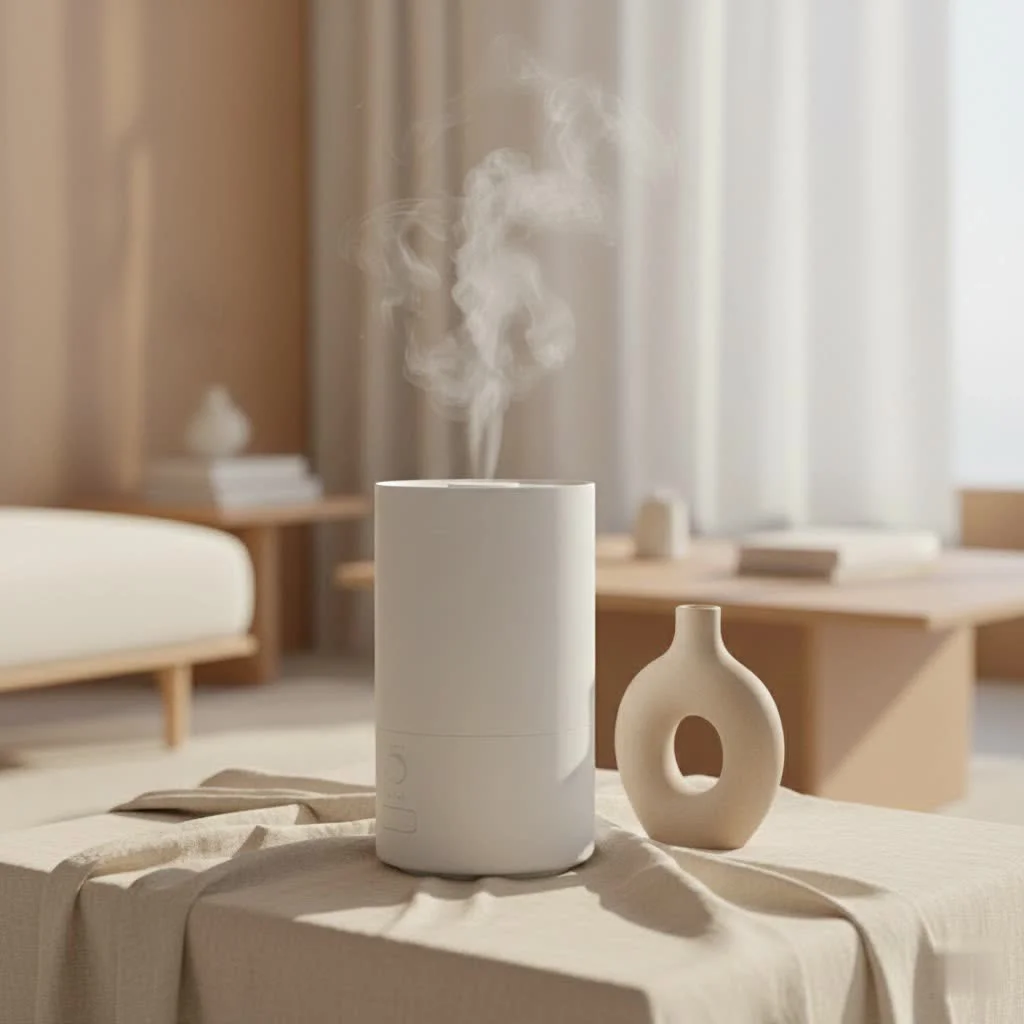
At its core, an air humidifier is a device designed to add moisture, or water vapor, into the air. When indoor air becomes too dry – often due to heating systems in colder months or air conditioning in summer – it can strip moisture from everything around it, including your skin, nasal passages, and even your furniture. A humidifier counteracts this by dispersing a fine mist or vapor, restoring optimal humidity levels and creating a more agreeable atmosphere. It’s a straightforward concept with profound implications for your well-being and the longevity of your home.
The Unexpected Benefits of Bringing an Air Humidifier Home
Many people are surprised by the extensive advantages an air humidifier can offer, extending far beyond simply making the air feel less dry.
Health & Well-being: Breathe Easier, Feel Better
Maintaining the right level of humidity can be a powerful ally for your health. Dry air can exacerbate a host of conditions, leading to discomfort and even illness.
- Respiratory Relief: Humidifiers can soothe dry throats, irritated nasal passages, and persistent coughs, often associated with colds, flu, and allergies. The added moisture helps thin mucus, making it easier to breathe.
- Skin Hydration: Say goodbye to dry, itchy, or flaky skin, chapped lips, and irritated eyes. By preventing moisture evaporation from your skin, a humidifier helps maintain its natural hydration, offering relief for conditions like eczema.
- Reduced Virus Spread: Research suggests that maintaining indoor humidity between 40-60% can actually decrease the concentration and transmission of airborne viruses, potentially reducing your risk of catching common colds and the flu.
- Alleviating Sinus Issues: For those prone to sinus headaches and nosebleeds, adequately humidified air can make a significant difference, keeping delicate membranes moist and less prone to irritation.
Protecting Your Home & Valuables
It’s not just your body that suffers from dry air; your home and its contents can too.
- Preserving Wood: Hardwood floors, wooden furniture, and musical instruments are susceptible to cracking, warping, and shrinking in overly dry conditions. A humidifier helps maintain the wood’s structural integrity.
- Happy Houseplants: Most houseplants thrive in environments with at least 23% moisture. An air humidifier ensures your green companions stay vibrant and healthy, especially during dry seasons.
- Eliminating Static Electricity: Annoying static shocks when you touch doorknobs or clothes sticking together are classic signs of low humidity. A humidifier can effectively reduce static buildup, protecting both you and your electronics.
Boosting Comfort and Saving Energy
|
Our Picks for the Best Humidifier in 2026
As an Amazon Associate I earn from qualifying purchases.
|
||
| Num | Product | Action |
|---|---|---|
| 1 | Zeova 9L/2.4Gal Smart Cool Mist Humidifier, Top Fill Quiet Humidifier Large Room, Covers 550ft², App & Remote Control, 60H Runtime, 7 Colors Light, 4 Mist Modes Humidifiers for Bedroom, Office, White |

|
| 2 | Diffuserlove Essential Oil Diffusers 200ML Remote Control Ultrasonic Mist Humidifiers BPA-Free Aromatherapy Diffuser with 7 Color Lights, Auto Shut-Off for Bedroom Office Kitchen |
|
| 3 | DREO Humidifiers for Bedroom, Cool Mist Ultrasonic Humidifier with 26dB Quiet & RGB Lighting, Top Fill 3L Tank, Easy Clean, 30 Hr Runtime for Home, Baby, Plant, Nursery, Work with Google/Alexa |
|
| 4 | DREO Humidifiers for Bedroom, Top-filled Smart Quiet Cool Mist Humidifier for Large Room, 50 Hours Runtime for Home, Indoor Plants, Oil Diffuser & Nightlight for Baby Nusery, 5L, with Alexa/Google |
|
| 5 | 13L/3.43Gal Humidifier Large Room, 800ft² Coverage, 100H Runtime, Auto Humidity Control, Top Fill, Humidifiers for Bedroom, 35dB Quiet, Sleep Mode, Aroma Diffuser, 24H Timer, Auto Shut-off Protection |
|
| 6 | LEVOIT - Humidifiers for Bedroom - Quiet (3L Water Tank) - Cool Mist/Top Fill/Essential Oil Diffuser/25Watt - Home/Large Room - 360° Nozzle - Rapid Ultrasonic Humidification for Baby Nursery/Plant |
|
| 7 | HealthSmart 500ML Essential Oil Diffuser for Large Rooms, Cool Mist Humidifier and Aromatherapy Diffuser, Adjustable Timer, Mist Mode and 7 LED Light Colors, White (Pack of 1) |
|
| 8 | Cool Mist Humidifiers - Essential Oil Top Fill Humidifier Cool Ultrasonic Humidifier Quiet Air Diffuser for Large Room & Easy to Clean with Filter & Oil Diffuser Plant Bedroom Humidifier |
|
| 9 | Delletir Cool Mist Humidifiers for Babies, Bedroom, Nursery, Home and Office - Super Quiet Ultrasonic Vaporizer, Large Top-Refill 3.5L, Essential Oil Diffuser, Auto Off, Easy Clean |
|
| 10 | Breathe Essential Oil Blend 30 ml - Breath Sinus Relief with Menthol Oils - for Humidifiers, Diffusers, and Aromatherapy - Nexon Botanics |
|
Beyond health and protection, humidifiers contribute to overall comfort and can even offer energy benefits.
- Enhanced Comfort: Simply put, a well-humidified home feels more comfortable. The air feels softer, and the absence of dryness contributes to a more pleasant living experience.
- Potential Energy Savings: Moist air tends to feel warmer than dry air at the same temperature. By adding humidity, you might find yourself comfortable at a slightly lower thermostat setting, potentially leading to reduced heating bills.
Decoding Air Humidifier Types: Finding Your Perfect Match
The world of air humidifiers offers a variety of technologies, each with its unique characteristics. Understanding these can help you choose the best device for your specific needs.
Evaporative Humidifiers: The Self-Regulators
These are among the most common types. They work by using a fan to blow air through a moistened wick or filter. As water evaporates from the wick, it adds invisible moisture to the air. Evaporative humidifiers are often self-regulating; as humidity in the room increases, the rate of evaporation naturally slows down. They typically produce a cool mist.
Ultrasonic Humidifiers: Quiet and Efficient Mist
Ultrasonic humidifiers utilize a metal diaphragm that vibrates at an ultrasonic frequency, creating a fine, cool mist that is silently dispersed into the room. They are known for their quiet operation and energy efficiency, making them excellent choices for bedrooms and nurseries. However, they can sometimes produce “white dust” if hard water is used, due to minerals being released into the air.
Warm Mist Humidifiers: Soothing Steam for Colder Days
Warm mist humidifiers, also known as steam vaporizers, operate by boiling water to create sterile steam. This steam is then cooled slightly before being released as a warm, soothing mist. The boiling process helps kill bacteria and mold, making them less prone to contamination. They can also slightly raise the room temperature and are often used with medicinal inhalants. However, the presence of hot water means a risk of burns, so caution is advised, especially around children.
Cool Mist Humidifiers: Safe and Refreshing
Cool mist humidifiers release moisture without heating the water, making them a safer option, particularly in homes with children or pets. Both evaporative and ultrasonic humidifiers fall under the cool mist category. They provide a refreshing feeling and are generally energy-efficient.
Central vs. Portable: Humidifying Your Entire Home or Just a Room
- Portable/Room Humidifiers: These standalone units are designed to humidify a single room or a small area. They are easy to move and maintain, offering flexibility for targeted humidity control.
- Central Humidifiers: Integrated directly into your home’s HVAC system, central humidifiers provide whole-house humidification. They offer automatic humidity control, are typically very quiet, and require less frequent refilling as they connect directly to your plumbing. This option provides consistent humidity throughout your entire living space without visible units.
The Sweet Spot: Maintaining Optimal Indoor Humidity Levels
While adding moisture is beneficial, too much of a good thing can lead to new problems. The key is balance. Experts generally recommend maintaining indoor relative humidity (RH) levels between 30% and 50%, with some suggesting a slightly broader range of 40% to 60% for optimal health benefits.
- Below 30% RH: Air is too dry, leading to the discomforts and damage mentioned earlier (dry skin, static, wood cracking).
- Above 50-60% RH: Air is too humid, creating an ideal breeding ground for mold, mildew, dust mites, and bacteria, which can trigger allergies, asthma, and other respiratory issues. It can also make your home feel damp and stuffy, and cause condensation on windows.
To accurately monitor your home’s humidity, invest in a hygrometer. Many modern humidifiers come with a built-in humidistat, which automatically regulates the output to maintain your desired humidity level, taking the guesswork out of the equation.
Keeping Your Air Humidifier in Top Shape: A Maintenance Guide
As with any appliance that handles water, regular cleaning and maintenance are paramount for your air humidifier. Neglecting it can turn your health-boosting device into a dispenser of unhealthy air.
Daily Care for Consistent Performance
“Just like brushing your teeth, a few daily habits can make a world of difference for your humidifier,” advises Alex Miller, Lead HVAC Engineer at Lammn. “Emptying and refilling the water tank every day with fresh water is crucial to prevent stagnant water, which is a breeding ground for bacteria and mold.” Using distilled or demineralized water is also highly recommended, especially for ultrasonic humidifiers, to minimize the dreaded “white dust” caused by mineral deposits.
Weekly Deep Clean: Banishing Mineral Buildup and Bacteria
At least once a week, or every three days for heavy use, your air humidifier needs a thorough cleaning.
- Unplug and Disassemble: Always unplug the unit before cleaning and take apart all removable components (tank, base, trays, filters).
- Clean Mineral Deposits: For mineral buildup (scale), create a solution of equal parts white vinegar and water. Soak the affected components for 30 minutes, then use a soft brush or cloth to scrub away deposits. Rinse thoroughly.
- Disinfect: To kill bacteria and mold, disinfect the unit with a solution of one tablespoon of bleach per gallon of water. Swish the solution in the tank and let it sit for about 30 minutes. Be sure to rinse all parts meticulously with warm water until no bleach smell remains (this might take ten or more rinses) before reassembling. Some manufacturers also offer specialized cleaning solutions.
Regular Filter Changes: Non-Negotiable for Clean Air
If your humidifier uses filters, changing them regularly according to the manufacturer’s instructions (typically every 1-3 months, depending on water hardness and usage) is non-negotiable. Clogged or dirty filters reduce efficiency and can harbor mold and bacteria, dispersing them into your indoor air. For whole-house systems, annual professional servicing often includes filter replacement and thorough cleaning of the entire unit.
Troubleshooting Common Air Humidifier Hiccups
Even with the best care, you might encounter an issue or two. Here are some common problems and straightforward solutions.
“Why Is My Humidifier Not Misting?”
This is a frequent complaint. First, check if the water tank is full and properly seated. Mineral buildup on the ultrasonic plate (for cool mist) or heating element (for warm mist) is a common culprit; a vinegar-based cleaning should resolve this. A clogged filter can also restrict airflow, so check if it needs cleaning or replacement. For units with a humidistat, ensure the desired humidity setting is higher than the current room humidity.
“That Smell! Dealing with Unpleasant Odors”
A musty or foul smell almost always points to bacterial or mold growth in the stagnant water or on internal components. Increase the frequency of your cleaning routine, ensuring you empty and rinse the tank daily and perform weekly deep cleans with a disinfecting solution. Using distilled water can also help prevent this issue.
“Leaky Situations: When Your Humidifier Springs a Leak”
Leaks are often due to an overfilled water tank, loose or improperly connected hoses (especially in whole-house units), or cracks in the reservoir. Double-check the water fill line, ensure all parts are securely fitted, and inspect for any visible damage.
“The Mysterious White Dust: What It Is and How to Stop It”
If you notice a fine white dust settling on surfaces near your humidifier, particularly an ultrasonic model, it’s typically mineral residue from hard tap water. These microscopic mineral particles are dispersed into the air with the mist. The simplest solution is to switch to distilled or demineralized water, which contains far fewer minerals. Using a demineralization cartridge (if available for your model) can also help.
“My Humidifier Won’t Turn On (Or Off!)”
If your unit isn’t powering on, check the power cord, the outlet, and any control lock features. If it won’t turn off, it might have reached its set humidity level (if equipped with a humidistat) or its sensors could be dirty, causing inaccurate readings. Clean the sensors gently and verify your settings.
FAQs About Air Humidifiers
Q1: How often should I clean my air humidifier?
For optimal health and performance, empty and refill the water tank daily. A thorough cleaning with a vinegar solution and disinfection should be done at least once a week, or every three days if used frequently.
Q2: Can I use tap water in my humidifier?
While you technically can, using distilled or demineralized water is highly recommended. Tap water contains minerals that can lead to “white dust” (especially with ultrasonic models) and encourage bacterial growth, impacting both your health and the humidifier’s lifespan.
Q3: What’s the best type of humidifier for allergies?
Cool mist humidifiers (ultrasonic or evaporative) are generally recommended for allergy sufferers as they don’t produce a heating element that could harbor allergens. Regular cleaning and using distilled water are critical to prevent mold and bacteria, which are major allergy triggers.
Q4: How do I know if my indoor air is too dry?
Common signs include dry skin, chapped lips, static electricity, itchy eyes, frequent coughs, bloody noses, and even damage to wooden furniture. The most accurate way is to use a hygrometer to measure the relative humidity, aiming for 30-50%.
Q5: Can an air humidifier help with snoring?
Yes, in some cases. Dry air can irritate nasal passages and the throat, worsening snoring. By adding moisture, a humidifier can help lubricate these areas, potentially reducing snoring caused by dryness.
Q6: Are humidifiers safe for babies?
Cool mist humidifiers are generally considered safe and beneficial for babies, especially to soothe cold symptoms or dry coughs. Always use distilled water, clean the unit rigorously and frequently, and place it out of the baby’s reach to prevent accidental contact with the mist outlet or water.
Q7: How do whole-house humidifiers differ from portable ones?
Whole-house humidifiers integrate with your HVAC system to humidify your entire home automatically, requiring less manual refilling and maintenance. Portable humidifiers are standalone units designed for single rooms and offer more flexibility but require frequent manual refills and cleaning.
Your Path to Balanced Indoor Air
An air humidifier is more than just an appliance; it’s an investment in your health, comfort, and home. By understanding the different types, maintaining optimal humidity levels, and committing to a consistent cleaning routine, you can confidently transform your living space into a haven of perfectly balanced air. Embrace the benefits of proper humidification and experience a noticeable difference in how you feel and how your home thrives.
Get our weekly buyer guide
Practical specs, not advice. Unsubscribe anytime.