Do your houseplants look a little…crispy? Are their leaf tips turning brown, or do they seem to wilt no matter how much you water them? The secret to a lush, thriving indoor jungle might not be more water or light, but rather a plant humidifier. Many of our beloved houseplants hail from tropical paradises, environments where the air is naturally rich with moisture. When brought into our homes, especially during dry seasons or with constant heating and air conditioning, these humidity-loving plants often struggle. A plant humidifier is your key to replicating those steamy, vibrant conditions, transforming stressed plants into happy, flourishing specimens.
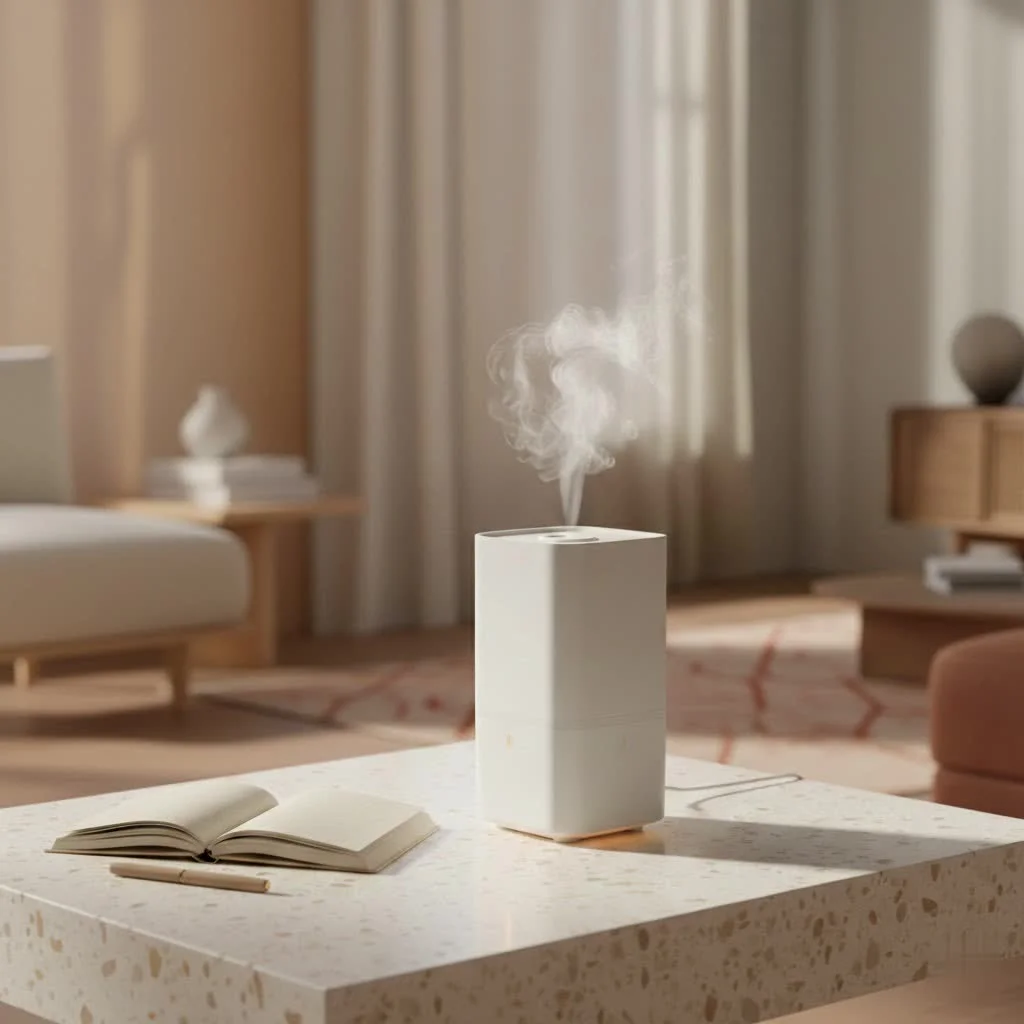
Why Your Plants Crave Humidity: The Science Behind the Mist
It’s easy to think that if your plant is wilting or has dry leaves, it simply needs more water at the roots. But for many indoor plants, especially those with exotic origins, the issue lies not in the soil, but in the air itself.
The Tropical Connection
Imagine a rainforest: dense foliage, constant rainfall, and a thick, moist atmosphere. Many of the houseplants we adore—ferns, orchids, monsteras, philodendrons, and peace lilies, to name a few—evolved in such environments. They are accustomed to humidity levels often exceeding 60%, sometimes even reaching 80% or more. Our typical indoor humidity, however, can plunge to a mere 10-30%, especially in winter or when HVAC systems are running constantly. This drastic difference stresses plants, making it incredibly difficult for them to thrive.
Beyond the Roots: How Plants Absorb Moisture from the Air
While roots are the primary way plants absorb water from the soil, many tropical plants have adapted to take advantage of atmospheric moisture. Some, like epiphytes (orchids, air plants), naturally grow on other plants or surfaces rather than in soil, relying heavily on aerial roots to absorb humidity. Others have thinner leaves with specialized pores called stomata. In humid conditions, these stomata remain open, allowing the plant to “breathe” efficiently and transpire (release excess water vapor), which is a vital part of their water cycle. In dry air, plants close their stomata to conserve moisture, essentially holding their breath, which hinders healthy growth.
The Dry Air Dilemma
Our modern homes are designed for our comfort, but often at the expense of our plants’ preferred climate. Central heating in winter acts like a moisture sponge, sucking humidity from the air. Similarly, air conditioning in summer can also dry out indoor environments. This artificially dry air causes plants to lose water faster than their roots can absorb it, leading to a cascade of distress signals.
Signs Your Plants Need a Plant Humidifier
|
Our Picks for the Best Humidifier in 2026
As an Amazon Associate I earn from qualifying purchases.
|
||
| Num | Product | Action |
|---|---|---|
| 1 | LEVOIT - Humidifiers for Bedroom - Quiet (3L Water Tank) - Cool Mist/Top Fill/Essential Oil Diffuser/25Watt - Home/Large Room - 360° Nozzle - Rapid Ultrasonic Humidification for Baby Nursery/Plant |

|
| 2 | DREO Humidifiers for Bedroom, Cool Mist Ultrasonic Humidifier with 26dB Quiet & RGB Lighting, Top Fill 3L Tank, Easy Clean, 30 Hr Runtime for Home, Baby, Plant, Nursery, Work with Google/Alexa |
|
| 3 | Delletir Cool Mist Humidifiers for Babies, Bedroom, Nursery, Home and Office - Super Quiet Ultrasonic Vaporizer, Large Top-Refill 3.5L, Essential Oil Diffuser, Auto Off, Easy Clean |
|
| 4 | Cool Mist Humidifiers - Essential Oil Top Fill Humidifier Cool Ultrasonic Humidifier Quiet Air Diffuser for Large Room & Easy to Clean with Filter & Oil Diffuser Plant Bedroom Humidifier |
|
| 5 | Breathe Essential Oil Blend 30 ml - Breath Sinus Relief with Menthol Oils - for Humidifiers, Diffusers, and Aromatherapy - Nexon Botanics |
|
| 6 | Diffuserlove Essential Oil Diffusers 200ML Remote Control Ultrasonic Mist Humidifiers BPA-Free Aromatherapy Diffuser with 7 Color Lights, Auto Shut-Off for Bedroom Office Kitchen |
|
| 7 | DREO Humidifiers for Bedroom, Top-filled Smart Quiet Cool Mist Humidifier for Large Room, 50 Hours Runtime for Home, Indoor Plants, Oil Diffuser & Nightlight for Baby Nusery, 5L, with Alexa/Google |
|
| 8 | Zeova 9L/2.4Gal Smart Cool Mist Humidifier, Top Fill Quiet Humidifier Large Room, Covers 550ft², App & Remote Control, 60H Runtime, 7 Colors Light, 4 Mist Modes Humidifiers for Bedroom, Office, White |
|
| 9 | HealthSmart 500ML Essential Oil Diffuser for Large Rooms, Cool Mist Humidifier and Aromatherapy Diffuser, Adjustable Timer, Mist Mode and 7 LED Light Colors, White (Pack of 1) |
|
| 10 | 13L/3.43Gal Humidifier Large Room, 800ft² Coverage, 100H Runtime, Auto Humidity Control, Top Fill, Humidifiers for Bedroom, 35dB Quiet, Sleep Mode, Aroma Diffuser, 24H Timer, Auto Shut-off Protection |
|
How can you tell if your green companions are silently pleading for more humidity? Look for these common indicators:
- Browning Leaf Tips or Edges: This is one of the most classic signs of low humidity, especially prevalent in plants with thinner leaves. The edges dry out and become crispy.
- Curling or Cupping Leaves: Plants may curl their leaves inwards to reduce the surface area exposed to dry air, attempting to conserve moisture.
- Wilting Even When Recently Watered: If you’ve just watered your plant, and it still looks limp, it might be trying to tell you it needs more moisture in the air, not the soil. Overwatering in this scenario can lead to root rot.
- Slowed Growth or Stunted Development: A plant under chronic humidity stress won’t be able to grow optimally.
- Flower Bud Drop or Failure to Bloom: Dry air can prevent delicate flower buds from developing or cause them to shrivel and fall off.
If these symptoms sound familiar, a plant humidifier is likely a worthwhile investment for your indoor garden.
Choosing the Right Plant Humidifier: Types, Features, and Considerations
Stepping into the world of humidifiers can feel overwhelming with the variety available. For your plants, the best choice depends on your specific needs, room size, and desired features.
Understanding Humidifier Types
There are three primary types of humidifiers, each with its own benefits and drawbacks for plant enthusiasts:
Ultrasonic Humidifiers
These are incredibly popular for plants. They use high-frequency vibrations to produce a fine, cool mist that is easily absorbed by plant leaves and quickly disperses into the air.
- Pros: Quiet operation, energy-efficient, produces a visible mist which many plant parents enjoy, often has direct mist on leaves benefits for some tropicals.
- Cons: Can produce “white dust” (mineral deposits from tap water) on surfaces, including plant leaves, requiring the use of distilled or filtered water. Regular cleaning is crucial to prevent bacterial buildup.
Warm Mist Humidifiers
These work by heating water to a boiling point, releasing a sterile, warm vapor into the air.
- Pros: Releases pure vapor, naturally kills bacteria and mold in the water, very quiet, and can slightly increase the ambient temperature, which is beneficial for many tropical plants.
- Cons: Uses more electricity due to the heating element, the hot mist can be a burn risk for curious pets or children if placed too close, and still requires frequent cleaning to prevent mineral buildup.
Evaporative Humidifiers
These use a wicking filter to absorb water from a tank, and a fan blows air over the filter, causing the water to evaporate into an invisible cool mist.
- Pros: Self-regulating (won’t oversaturate the air), acts as a natural filter for minerals and impurities (no white dust), generally more energy-efficient than warm mist.
- Cons: Can be noisier due to the fan, requires regular replacement of wicking filters, and may take longer to increase room humidity compared to ultrasonic models.
For most plants, either ultrasonic or evaporative cool mist humidifiers are excellent choices. While tropical plants might enjoy the warmth, cool mist is generally sufficient and safer if placed close to foliage.
Key Features to Look For
When selecting a plant humidifier, consider these practical aspects:
- Room Size & Capacity: Match the humidifier’s coverage area (usually listed in square feet) to the size of your plant space. A small unit might suffice for a plant shelf, while a larger one is needed for an entire room or a plant collection. A larger water tank means longer run times, so you won’t have to refill as often.
- Run Time: Aim for a humidifier that can run for at least 4-5 hours daily, ideally between sunrise and midday, to provide consistent moisture without risking oversaturation overnight.
- Noise Level: If the humidifier will be in a living area or bedroom, a quiet model (often ultrasonic or warm mist) will be preferable. Evaporative models tend to be slightly louder due to the fan.
- Ease of Cleaning: This is paramount! Humidifiers, especially ultrasonic and evaporative types, can become breeding grounds for bacteria and mold if not cleaned regularly. Look for models with wide tank openings and minimal crevices that are easy to disassemble and scrub.
- Smart Features: Many modern humidifiers offer smart capabilities like app control, programmable schedules, built-in hygrometers (to monitor humidity), and auto-shutoff when the tank is empty. These features can significantly enhance convenience and ensure optimal conditions for your plants.
- Demineralization Cartridges/Filters: If you plan to use tap water, these features can help reduce mineral buildup and the dreaded white dust associated with ultrasonic humidifiers.
Setting Up for Success: Placement and Water Wisdom
Once you’ve chosen your plant humidifier, proper setup is key to maximizing its benefits and avoiding potential problems.
Where to Place Your Plant Humidifier
Placement is more critical than you might think. While the goal is to increase humidity around your plants, placing the humidifier too close can be detrimental.
- Distance is Key: Position the humidifier a few feet away from your plants, rather than right next to them. This allows the mist to disperse evenly into the air, creating a beneficial microclimate without drenching individual leaves or oversaturating the soil. Direct, continuous moisture on leaves can invite fungal growth.
- Elevate and Protect: Place the humidifier on a table or shelf, a few feet off the ground. This helps the mist circulate more effectively and prevents moisture from accumulating on sensitive surfaces. Avoid placing it directly on porous materials like wood furniture or carpet, which can absorb excess moisture and potentially develop mold or warp.
- Central Location: If you have a collection of plants in a room, a more central location (while still a few feet from any individual plant) will help distribute humidity broadly.
The Best Water for Your Plant Humidifier
The type of water you use significantly impacts your humidifier’s performance and maintenance.
- Distilled or Filtered Water is Gold: This is the strongest recommendation. Distilled or filtered water is free of minerals and impurities. Using it will prevent the “white dust” phenomenon common with ultrasonic humidifiers, minimize mineral scale buildup within the unit, and reduce the frequency of deep cleaning. It also helps prevent the growth of algae and bacteria in the water tank.
- Tap Water Caution: While convenient, tap water contains minerals that can lead to rapid scale buildup in your humidifier, shortening its lifespan and making it less efficient. If using tap water, be prepared for much more frequent and thorough cleaning.
Maintenance Matters: Keeping Your Humidifier and Plants Healthy
A plant humidifier is a powerful tool, but like any appliance dealing with water, it requires consistent care to remain effective and hygienic. Neglecting cleaning can lead to bacterial growth, which is then dispersed into your indoor air—something neither you nor your plants want!
Daily Habits
- Empty and Refill: Get into the habit of emptying any remaining water from the tank and refilling it with fresh distilled or filtered water daily. This prevents stagnant water, which is an invitation for bacterial growth.
Weekly Deep Cleaning
A thorough cleaning once a week is essential, especially if you use tap water.
- Descaling: Pour white vinegar into the base and any mineral-stained areas, letting it soak for at least 30 minutes to an hour (or longer for heavy buildup). Vinegar effectively dissolves mineral deposits.
- Sanitizing: For the water tank and other components, use a diluted bleach solution (e.g., one teaspoon of bleach per gallon of water) or hydrogen peroxide to sanitize and eliminate any slime, mold, or bacteria.
- Rinse Thoroughly: After soaking and scrubbing, rinse all parts meticulously with fresh water to remove any cleaning solution residue before refilling and reassembling.
- Check Manufacturer Guidelines: Always refer to your humidifier’s user manual for specific cleaning instructions, as methods can vary.
Filter Replacement
If your humidifier uses filters (common in evaporative models and some ultrasonic units), adhere strictly to the manufacturer’s replacement schedule. Clogged or old filters can become ineffective and harbor bacteria.
Beyond the Mist: Other Humidity-Boosting Tips (and why they fall short)
You may have heard of other methods to increase humidity for plants. While some offer minor benefits, they generally don’t compare to the consistent efficacy of a dedicated humidifier.
- Misting Plants: While a refreshing spritz might seem helpful, the effect is incredibly short-lived, increasing humidity for only a few minutes. For this to be truly effective, you’d need to mist every 30 minutes, which is impractical. Moreover, misting in direct sunlight can cause water droplets to act like magnifying glasses, leading to leaf burn. Excess moisture left on leaves overnight can also encourage fungal diseases.
- Pebble Trays: Placing a tray filled with pebbles and water beneath your plant can slightly increase localized humidity as the water evaporates. This is more effective than misting but still provides a limited and often insufficient boost for plants requiring consistently high humidity.
- Grouping Plants: Arranging plants closely together can create a small microclimate as they collectively release moisture through transpiration. This offers a modest increase in humidity but won’t be enough to combat very dry indoor air.
Expert Insight: Dr. Olivia Reed on Plant Humidity Needs
“Understanding your plant’s native habitat is fundamental to its care,” explains Dr. Olivia Reed, a renowned horticultural scientist specializing in indoor plant physiology. “Many common houseplants are from consistently humid regions, and without adequate atmospheric moisture, they simply cannot perform their biological functions optimally. A plant humidifier isn’t just a luxury; it’s a vital tool for consistent environmental control, ensuring these plants can truly thrive, not just survive, in our homes.”
FAQ
Do all indoor plants need plant humidifiers?
No, not all indoor plants require high humidity. Succulents and cacti, for example, thrive in dry conditions and would be harmed by a humidifier. However, most popular houseplants, especially tropical varieties like ferns, orchids, monsteras, and philodendrons, greatly benefit from increased humidity, ideally between 40-60% relative humidity.
How often should I use a plant humidifier?
For humidity-loving plants, it’s generally best to run your plant humidifier daily, especially during dry periods like winter. Aim for 4-5 hours in the morning until midday. Use a hygrometer to monitor the humidity level around your plants and adjust as needed; if it drops below 40%, it’s time to turn it on.
Can a plant humidifier cause too much humidity?
Yes, excessive humidity (over 80%) can be detrimental, preventing plants from “breathing” properly and promoting mold and fungal growth. Using a hygrometer to monitor levels and turning off the humidifier once the desired range (40-60%) is reached helps avoid this. Proper placement and good airflow can also help mitigate too much humidity.
What are the signs of too much humidity?
Signs of too much humidity can include condensation on windows or walls, a musty odor, white powdery residue (mildew) on plant leaves or soil, or soft, mushy spots on plants, indicating potential rot or fungal issues. Good air circulation is crucial to prevent these problems.
Is cool mist or warm mist better for plants?
For most plants, there isn’t a significant difference between cool mist and warm mist in terms of direct benefit. Cool mist ultrasonic humidifiers are very popular as they are quiet and energy-efficient. Warm mist humidifiers can slightly raise the room temperature, which tropical plants might appreciate, and they produce sterile vapor, reducing concerns about bacteria. The choice often comes down to personal preference and safety considerations.
Conclusion
Bringing the lush vibrancy of tropical environments indoors is a true joy, and a plant humidifier is an indispensable tool in achieving that perfect indoor jungle. By providing consistent, adequate humidity, you’re not just preventing dry leaf tips; you’re actively supporting your plants’ natural biological processes, enabling them to flourish with vibrant foliage and robust growth. Understanding the different types, smart features, and crucial maintenance routines ensures you choose and use your plant humidifier effectively. So, assess your plants’ needs, invest wisely, and watch your green companions transform into the thriving, magnificent specimens they were always meant to be. Your indoor garden—and you—will breathe easier.
Get our weekly buyer guide
Practical specs, not advice. Unsubscribe anytime.