A humidifier effectively relieves a dry nose by adding moisture to the air, which rehydrates the delicate mucous membranes in your nasal passages. This process soothes irritation, thins thick mucus, prevents nosebleeds, and enhances the nose’s natural defense mechanisms against irritants and pathogens. Maintaining indoor humidity between 30% and 50% with a clean humidifier can significantly improve nasal comfort and overall respiratory health, especially during dry seasons or in arid climates.
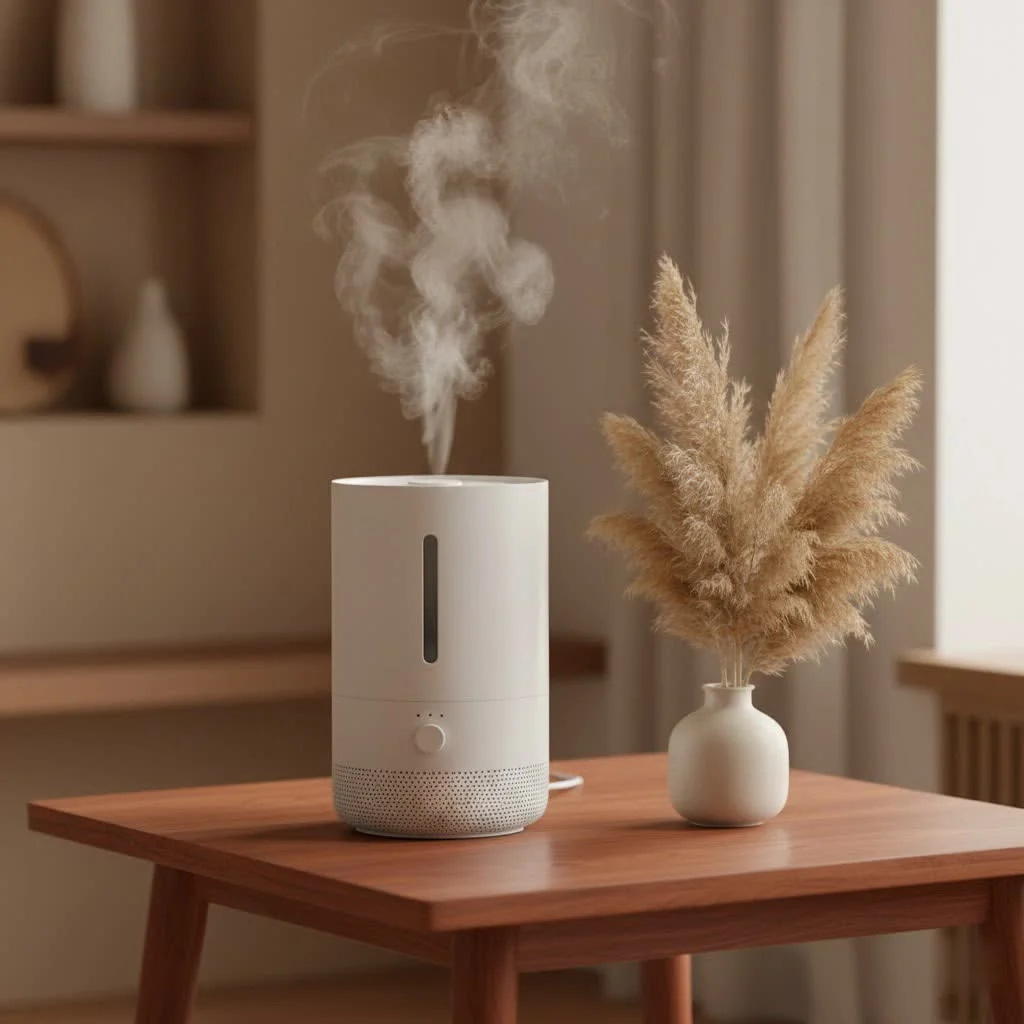
Understanding Dry Nose: Causes and Discomfort
Before we dive into solutions, let’s understand why our noses get dry in the first place.
What Causes a Dry Nose?
Our nasal passages are lined with delicate mucous membranes designed to keep things moist, filter the air we breathe, and protect us from irritants. When the air around us lacks sufficient moisture, these membranes can dry out. Common culprits include:
- Low Humidity: This is the most significant factor. Dry air, often a result of indoor heating systems in winter or air conditioning in summer, pulls moisture from our bodies.
- Environmental Factors: Arid climates, high altitudes, or even dusty environments can contribute to nasal dryness.
- Certain Medications: Decongestants, antihistamines, and some other drugs can have a drying effect.
- Medical Conditions: Allergies, colds, and certain sinus issues can also manifest with nasal dryness.
The Impact of Dry Nasal Passages
A dry nose isn’t just a minor annoyance; it can lead to a host of uncomfortable symptoms and even health issues. You might experience:
- Irritation, itchiness, or a burning sensation inside the nose.
- Cracked skin inside the nostrils, sometimes leading to painful sores.
- Nosebleeds, especially in children or individuals prone to them, as dry membranes are more fragile.
- Thick, crusty mucus that’s difficult to clear, leading to congestion.
- Increased susceptibility to colds, flu, and sinus infections, as the natural defense mechanism of the nasal passages is compromised.
- Disrupted sleep due to discomfort and difficulty breathing.
How Humidifiers Combat Dryness
The magic of a humidifier lies in its ability to restore balance to your indoor environment.
The Science Behind Humidity and Nasal Health
A humidifier works by releasing water vapor or steam into the air, increasing its moisture content. When you breathe in this humidified air, the dry nasal passages absorb the much-needed moisture. This rehydrates the delicate mucous membranes, helping them function optimally.
- Soothing Irritation: Moist air directly soothes irritated and inflamed nasal tissues, reducing the scratchy, burning sensation.
- Thinning Mucus: Dry air makes mucus thick and sticky, leading to congestion. Humidifiers thin out the mucus, making it easier for your body’s natural cilia (tiny hair-like structures in your sinuses) to clear it, alleviating stuffiness.
- Preventing Nosebleeds: By keeping the nasal lining supple, humidifiers can significantly reduce the incidence of nosebleeds caused by dryness.
- Enhancing Protection: Well-hydrated nasal passages are better equipped to trap airborne irritants, allergens, and pathogens, acting as a more effective first line of defense for your respiratory system.
Dr. Eleanor Vance, a leading ENT specialist, often remarks, “Patients consistently using humidifiers report not just immediate relief from dryness, but also a noticeable reduction in the frequency of sinus flare-ups, especially during the dry winter months. It’s about empowering your body’s natural defenses with the right environment.”
Cool Mist vs. Warm Mist Humidifiers for Dry Noses
|
Our Picks for the Best Humidifier in 2026
As an Amazon Associate I earn from qualifying purchases.
|
||
| Num | Product | Action |
|---|---|---|
| 1 | HealthSmart 500ML Essential Oil Diffuser for Large Rooms, Cool Mist Humidifier and Aromatherapy Diffuser, Adjustable Timer, Mist Mode and 7 LED Light Colors, White (Pack of 1) |

|
| 2 | Diffuserlove Essential Oil Diffusers 200ML Remote Control Ultrasonic Mist Humidifiers BPA-Free Aromatherapy Diffuser with 7 Color Lights, Auto Shut-Off for Bedroom Office Kitchen |
|
| 3 | Cool Mist Humidifiers - Essential Oil Top Fill Humidifier Cool Ultrasonic Humidifier Quiet Air Diffuser for Large Room & Easy to Clean with Filter & Oil Diffuser Plant Bedroom Humidifier |
|
| 4 | DREO Humidifiers for Bedroom, Cool Mist Ultrasonic Humidifier with 26dB Quiet & RGB Lighting, Top Fill 3L Tank, Easy Clean, 30 Hr Runtime for Home, Baby, Plant, Nursery, Work with Google/Alexa |
|
| 5 | Delletir Cool Mist Humidifiers for Babies, Bedroom, Nursery, Home and Office - Super Quiet Ultrasonic Vaporizer, Large Top-Refill 3.5L, Essential Oil Diffuser, Auto Off, Easy Clean |
|
| 6 | Zeova 9L/2.4Gal Smart Cool Mist Humidifier, Top Fill Quiet Humidifier Large Room, Covers 550ft², App & Remote Control, 60H Runtime, 7 Colors Light, 4 Mist Modes Humidifiers for Bedroom, Office, White |
|
| 7 | 13L/3.43Gal Humidifier Large Room, 800ft² Coverage, 100H Runtime, Auto Humidity Control, Top Fill, Humidifiers for Bedroom, 35dB Quiet, Sleep Mode, Aroma Diffuser, 24H Timer, Auto Shut-off Protection |
|
| 8 | LEVOIT - Humidifiers for Bedroom - Quiet (3L Water Tank) - Cool Mist/Top Fill/Essential Oil Diffuser/25Watt - Home/Large Room - 360° Nozzle - Rapid Ultrasonic Humidification for Baby Nursery/Plant |
|
| 9 | Breathe Essential Oil Blend 30 ml - Breath Sinus Relief with Menthol Oils - for Humidifiers, Diffusers, and Aromatherapy - Nexon Botanics |
|
| 10 | DREO Humidifiers for Bedroom, Top-filled Smart Quiet Cool Mist Humidifier for Large Room, 50 Hours Runtime for Home, Indoor Plants, Oil Diffuser & Nightlight for Baby Nusery, 5L, with Alexa/Google |
|
When choosing a humidifier, one of the first decisions you’ll face is between cool mist and warm mist. Both add moisture to the air, but they do so differently.
- Cool Mist Humidifiers: These typically use ultrasonic vibrations or an evaporative wick to release a cool, invisible mist into the air. They are often recommended for general use, especially in homes with children or pets, as there’s no hot water involved, eliminating the risk of burns. The Mayo Clinic generally suggests cool-mist humidifiers for easing symptoms like a stuffy nose during a cold.
- Warm Mist Humidifiers (Steam Vaporizers): These units boil water to create steam, which then cools slightly before being released. Some people find the warm mist more comforting for a sore throat or cough. However, due to the hot water inside, they pose a burn risk if tipped over, making cool mist a safer choice for families. While they can be soothing, studies haven’t conclusively shown them to be more effective for sinus issues than cool mist.
For most cases of dry nose, a cool mist humidifier is a safe and highly effective option.
Choosing the Best Humidifier for Your Dry Nose
Selecting the right humidifier can seem daunting with so many options. Here’s what to look for:
Key Features to Look For
- Tank Size and Run Time: Consider how long you want the humidifier to operate between refills. For overnight relief in a bedroom, a tank that can run for 8-12 hours is ideal. Larger tanks mean less frequent refilling, which is a big convenience.
- Humidity Control (Humidistat): This is a major upgrade. A built-in humidistat allows you to set your desired humidity level (e.g., 45%), and the device will automatically turn on and off to maintain it. This prevents over-humidification, which can lead to mold growth.
- Noise Level: For bedroom use, a quiet humidifier is essential. Ultrasonic models are often lauded for their near-silent operation.
- Ease of Cleaning: This cannot be stressed enough. Humidifiers can become breeding grounds for mold, bacteria, and mineral buildup if not cleaned regularly. Look for models with wide tank openings, removable parts, and dishwasher-safe components to make cleaning a breeze.
- Filters (or Filter-Free): Some humidifiers use filters to purify water or trap mineral dust. While these require replacement, filter-free models still need regular cleaning.
- Auto Shut-Off: A safety feature that turns the humidifier off when the water tank is empty or when the desired humidity level is reached.
Top Recommendations (General Types)
While I can’t endorse specific brands here, based on my experience and industry knowledge, for combating dry nose, ultrasonic cool mist humidifiers and evaporative humidifiers are generally excellent choices. They offer efficient moisture output, quiet operation, and are often designed with user-friendly cleaning features. Many modern humidifiers also integrate smart features, allowing you to control them via an app or voice assistant, further enhancing convenience.
Optimal Usage and Maintenance for Maximum Relief
A humidifier is only as effective as its usage and maintenance. Proper care is paramount for your health and the device’s longevity.
Where to Place Your Humidifier
For maximum benefit for a dry nose, strategically place your humidifier:
- Bedroom: This is often the most critical location, as you spend many hours sleeping. Place it a few feet away from your bed, but not directly on a nightstand to avoid over-humidifying nearby surfaces.
- Center of the Room: Avoid placing it directly against walls, furniture, or curtains. This allows for even distribution of moisture and prevents moisture damage or mold growth on surfaces.
- Avoid Direct Pointing: Don’t aim the mist directly at yourself, furniture, or electronics.
Ideal Humidity Levels for Nasal Comfort
The sweet spot for indoor humidity is generally between 30% and 50%. Some health professionals suggest up to 60% for sinus relief. Using a humidistat to monitor and control this level is crucial. Too little humidity means your nose stays dry; too much can lead to condensation on surfaces, promoting mold, dust mites, and bacteria – which can aggravate allergies and asthma.
Essential Cleaning and Maintenance Tips
This is the most critical aspect of humidifier ownership. Dirty humidifiers can aerosolize mold spores, bacteria, and mineral dust, turning your helpful device into a health hazard.
- Daily Rinse: Empty the water tank daily and rinse it with fresh water.
- Weekly Cleaning: Disassemble the humidifier and clean all parts that come into contact with water. Use a 1:1 solution of white vinegar and water to remove mineral deposits (scale). For disinfection, a diluted bleach solution (e.g., 1 teaspoon of bleach per gallon of water) can be used, followed by thorough rinsing. Always follow the manufacturer’s specific cleaning instructions.
- Use Distilled or Demineralized Water: Tap water contains minerals that can create a fine white dust in your home and build up inside the humidifier. Distilled or demineralized water minimizes this and reduces the risk of bacterial growth.
- Replace Filters Regularly: If your humidifier has filters, change them as recommended by the manufacturer to maintain efficiency and hygiene.
When to Avoid Using a Humidifier
While beneficial for many, there are situations where caution is advised:
- Asthma or Severe Allergies: If you or a family member has severe asthma or allergies, consult a healthcare provider before using a humidifier. While often helpful, a poorly maintained humidifier can worsen symptoms.
- High Natural Humidity: If your home already has high humidity levels (above 50-60%), adding more moisture is unnecessary and can be detrimental.
- Mold Issues: If you have existing mold problems in your home, address them before using a humidifier, as it could exacerbate the issue.
Expert Insights: Beyond the Basics
My decade of experience in humidification systems has taught me a few things that go beyond the manual.
What to Do If a Humidifier Isn’t Enough
While humidifiers are incredibly effective, sometimes a dry nose needs a multi-pronged approach.
- Saline Nasal Sprays/Rinses: Over-the-counter saline solutions can provide immediate moisture and help flush out irritants.
- Hydration: the basics! Drinking plenty of water helps moisturize your body from the inside out.
- Petroleum Jelly: A tiny dab of petroleum jelly applied inside the nostrils can provide a protective barrier. However, use sparingly and avoid prolonged, frequent use, as there’s a rare risk of lung issues.
- Steam Inhalation: A hot shower or leaning over a bowl of hot water (with a towel over your head) can offer temporary relief.
Dispelling Common Humidifier Myths
- Myth: All humidifiers are the same. False. As discussed, there are different types, each with pros and cons regarding safety, noise, and maintenance.
- Myth: You only need a humidifier in winter. Not necessarily. Dry air can occur year-round, especially with air conditioning or in arid climates. Monitor your indoor humidity.
- Myth: Humidifiers spread illness. This is only true if the humidifier is not cleaned properly. A clean humidifier promotes respiratory health, while a dirty one can spread bacteria and mold.
Conclusion
A dry nose can significantly impact your comfort and health, but it’s a problem with a clear solution. By understanding the causes, choosing the right humidifier, and committing to proper usage and diligent maintenance, you can improve your environment into a haven of healthy, moist air. Embrace the power of balanced humidity, and you’ll find yourself breathing easier, sleeping better, and experiencing a profound sense of relief. Don’t let dry air dictate your comfort any longer – invest in a humidifier and rediscover the joy of a happy, hydrated nose. What’s your experience been like with humidifiers and dry nasal passages? We’d love to hear your insights!
Frequently Asked Questions
What is the ideal humidity level for a dry nose?
Generally, maintaining indoor humidity between 30% and 50% is recommended for optimal nasal comfort. Some health professionals suggest up to 60% for sinus relief. Using a humidistat to monitor and control this level is crucial to prevent both dryness and excessive moisture.
Can a humidifier help with nosebleeds caused by dryness?
Yes, a humidifier can significantly reduce nosebleeds caused by dryness. By adding moisture to the air, humidifiers help keep the delicate nasal membranes hydrated and supple, making them less prone to cracking and bleeding, especially during dry seasons.
Is a cool mist or warm mist humidifier better for a dry nose?
Both cool mist and warm mist humidifiers can provide relief for a dry nose by adding moisture to the air. However, cool mist humidifiers are generally recommended, especially in homes with children or pets, due to the absence of hot water and the associated burn risk. The Mayo Clinic often suggests cool-mist for easing cold symptoms.
How often should I clean my humidifier to prevent health issues?
You should rinse the water tank daily with fresh water and perform a thorough cleaning of all water-contacting parts weekly. This rigorous cleaning schedule, using a 1:1 white vinegar solution for mineral deposits and a diluted bleach solution for disinfection, is essential to prevent mold, bacteria, and mineral dust from being aerosolized into your home.
What are the key features to look for when buying a humidifier?
When buying a humidifier, look for a tank size that offers 8-12 hours of run time, a built-in humidistat for automatic humidity control, and quiet operation for bedroom use. Ease of cleaning, including wide tank openings and dishwasher-safe parts, is also crucial to prevent mold and bacteria growth. Consider models with auto shut-off for safety.
Maintain Your Humidifier for Optimal Nasal Relief
Proper maintenance of your humidifier is crucial for both its effectiveness in relieving dry nose and for preventing health hazards like mold and bacteria.
Empty the humidifier's water tank every day. Rinse it thoroughly with fresh water to remove any standing water and prevent initial bacterial growth. Refill with distilled or demineralized water for best results.
Once a week, disassemble your humidifier and clean all parts that come into contact with water. Use a 1:1 solution of white vinegar and water to effectively remove mineral deposits. For disinfection, a diluted bleach solution (1 teaspoon per gallon of water) can be used, followed by thorough rinsing to remove all chemical residue.
Always use distilled or demineralized water instead of tap water. Tap water contains minerals that can lead to a fine white dust in your home and promote mineral buildup inside the unit, which can harbor bacteria. This simple step significantly reduces maintenance and improves air quality.
If your humidifier uses filters, ensure they are changed according to the manufacturer's recommendations. Timely filter replacement is vital for maintaining the device's efficiency and preventing the spread of impurities into the air. Even filter-free models require diligent cleaning.
Get our weekly buyer guide
Practical specs, not advice. Unsubscribe anytime.
Living in an arid climate, my nose was always so dry and uncomfortable. I learned about how dry air can really affect your nasal passages and decided to invest in a good humidifier. It’s been a game-changer! My nose feels hydrated, and I’m not constantly feeling that irritating dryness anymore. Plus, my skin feels better too!
I used to wake up with such a dry, crusty nose every morning, especially in winter. After reading about how a humidifier helps rehydrate mucous membranes, I finally bought one. It’s made a huge difference! My nose feels so much better, and I haven’t had a single nosebleed since I started using it. Definitely worth it for anyone struggling with dry nasal passages.
I got a humidifier hoping to stop the dryness that causes my nosebleeds. It does add moisture to the air, and I’ve noticed a slight improvement in overall comfort. However, I’m still getting occasional nosebleeds, just not as frequently. Maybe I need a different type or to be more diligent about cleaning it. It’s okay, but not a complete miracle for me.
I picked up a cool mist humidifier after dealing with constant irritation and thick mucus. It really does help thin things out and makes breathing more comfortable. I try to keep my humidity between 40-50% like suggested, and it’s been great. My only minor complaint is that I have to refill it pretty often, but that’s a small price to pay for the relief.