Waking up with a scratchy, painful throat is an all-too-common discomfort, especially when the air inside your home feels as dry as a desert. Whether it’s the biting chill of winter, the constant hum of your air conditioning, or a nagging cold, a dry throat can disrupt your sleep, impact your voice, and generally make you feel miserable. As a long-time specialist in humidification systems and your trusted source at Lammn.com, I can tell you that a well-chosen and properly maintained humidifier isn’t just a gadget; it’s a game-changer for throat comfort. It’s about more than just adding moisture; it’s about restoring balance to your indoor environment and, in turn, to your respiratory health.
Why Your Throat Gets Dry (and Why it Matters)
Think of your throat as a delicate highway, constantly working to keep you healthy. It’s lined with mucous membranes, tiny powerhouses that rely on moisture to function correctly. When the air around you is too dry, it acts like a sponge, aggressively drawing moisture from these protective layers. This intense evaporative process leaves your throat feeling parched, raw, and incredibly scratchy.
But it’s not just about discomfort. This dryness compromises your body’s first line of defense. The respiratory tract features microscopic, hair-like structures called cilia, which are coated in mucus. Their job is to trap dust, allergens, and viruses, sweeping them up and out of your system – a process known as mucociliary clearance. When the air lacks humidity, this mucus thickens, and the cilia’s movement slows down, making it harder for your body to naturally clear irritants and pathogens. This can lead to persistent irritation, a nagging cough, and even make you more susceptible to illness. Plus, for many, a dry throat often means disturbed sleep, exacerbating overall fatigue.
How Humidifiers Offer Sweet Relief for a Dry Throat
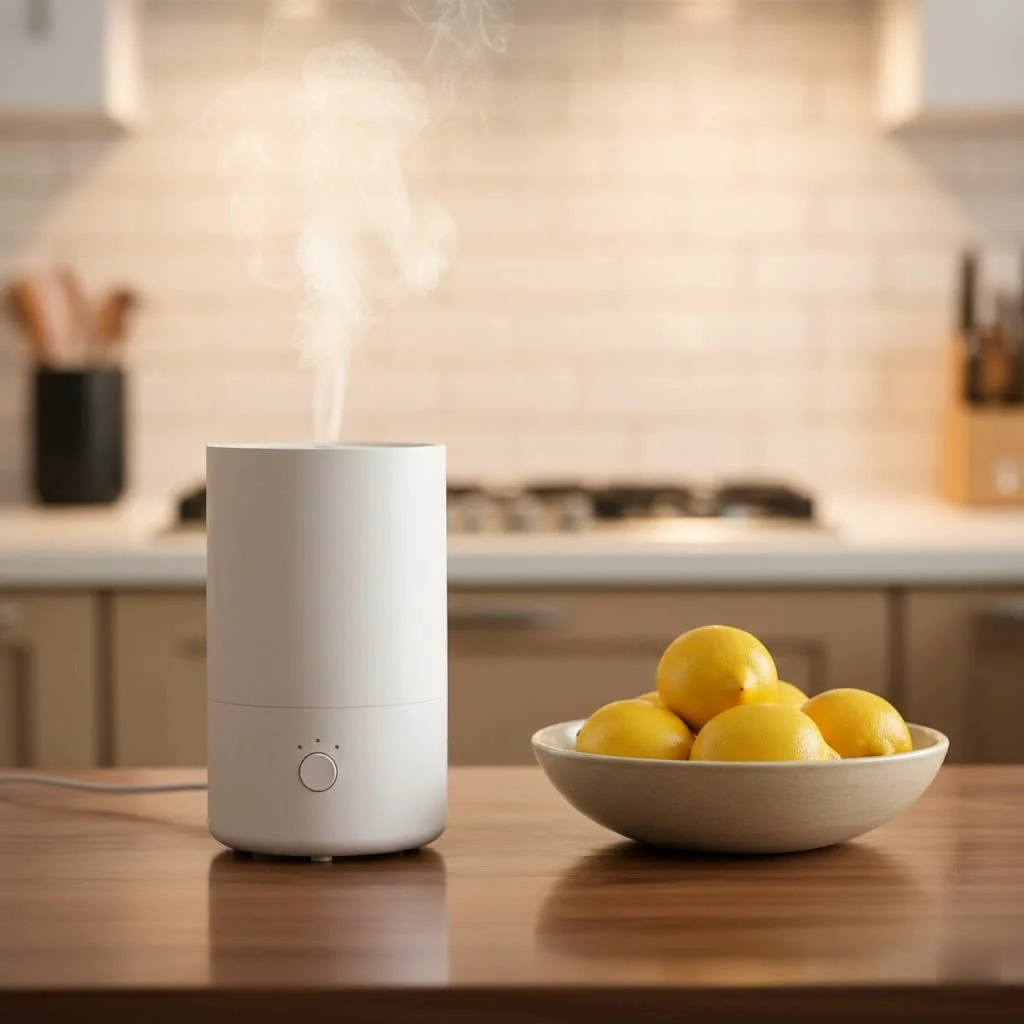
This is where your trusty humidifier steps in, working quietly to transform your environment and bring blessed relief. By releasing water vapor into the air, a humidifier directly counteracts the drying effects of low humidity. It’s like giving your throat a much-needed drink of water, directly from the air you breathe.
“Adding moisture to the air does wonders for rehydrating those crucial mucous membranes,” explains Dr. Clara Benson, a leading pulmonologist specializing in environmental respiratory health. “It allows the throat lining to remain moist and pliable, instantly reducing that uncomfortable irritation and making swallowing and speaking much easier.”
Beyond immediate comfort, humidified air helps thin out that stubborn, thick mucus, allowing your cilia to work more efficiently and facilitating easier expulsion of irritants. For those grappling with a persistent cough or congestion due to colds or allergies, a humidifier can make coughs more productive and less irritating, helping you breathe more freely and get a better night’s rest. It’s a simple, yet profound, shift that supports your body’s natural defense mechanisms.
Choosing Your Throat’s Best Friend: Humidifier Types Explained
Navigating the world of humidifiers can feel a bit overwhelming with all the options out there. But when it comes to soothing a dry throat, understanding the primary types will help you make the best choice for your specific needs and household.
Cool Mist Humidifiers (Ultrasonic & Evaporative)
|
Our Picks for the Best Humidifier in 2026
As an Amazon Associate I earn from qualifying purchases.
|
||
| Num | Product | Action |
|---|---|---|
| 1 | DREO Humidifiers for Bedroom, Cool Mist Ultrasonic Humidifier with 26dB Quiet & RGB Lighting, Top Fill 3L Tank, Easy Clean, 30 Hr Runtime for Home, Baby, Plant, Nursery, Work with Google/Alexa |

|
| 2 | Diffuserlove Essential Oil Diffusers 200ML Remote Control Ultrasonic Mist Humidifiers BPA-Free Aromatherapy Diffuser with 7 Color Lights, Auto Shut-Off for Bedroom Office Kitchen |
|
| 3 | Breathe Essential Oil Blend 30 ml - Breath Sinus Relief with Menthol Oils - for Humidifiers, Diffusers, and Aromatherapy - Nexon Botanics |
|
| 4 | Zeova 9L/2.4Gal Smart Cool Mist Humidifier, Top Fill Quiet Humidifier Large Room, Covers 550ft², App & Remote Control, 60H Runtime, 7 Colors Light, 4 Mist Modes Humidifiers for Bedroom, Office, White |
|
| 5 | Delletir Cool Mist Humidifiers for Babies, Bedroom, Nursery, Home and Office - Super Quiet Ultrasonic Vaporizer, Large Top-Refill 3.5L, Essential Oil Diffuser, Auto Off, Easy Clean |
|
| 6 | 13L/3.43Gal Humidifier Large Room, 800ft² Coverage, 100H Runtime, Auto Humidity Control, Top Fill, Humidifiers for Bedroom, 35dB Quiet, Sleep Mode, Aroma Diffuser, 24H Timer, Auto Shut-off Protection |
|
| 7 | HealthSmart 500ML Essential Oil Diffuser for Large Rooms, Cool Mist Humidifier and Aromatherapy Diffuser, Adjustable Timer, Mist Mode and 7 LED Light Colors, White (Pack of 1) |
|
| 8 | LEVOIT - Humidifiers for Bedroom - Quiet (3L Water Tank) - Cool Mist/Top Fill/Essential Oil Diffuser/25Watt - Home/Large Room - 360° Nozzle - Rapid Ultrasonic Humidification for Baby Nursery/Plant |
|
| 9 | DREO Humidifiers for Bedroom, Top-filled Smart Quiet Cool Mist Humidifier for Large Room, 50 Hours Runtime for Home, Indoor Plants, Oil Diffuser & Nightlight for Baby Nusery, 5L, with Alexa/Google |
|
| 10 | Cool Mist Humidifiers - Essential Oil Top Fill Humidifier Cool Ultrasonic Humidifier Quiet Air Diffuser for Large Room & Easy to Clean with Filter & Oil Diffuser Plant Bedroom Humidifier |
|
Cool mist humidifiers are widely popular, especially in homes with children or pets, primarily because they pose no burn risk. They introduce moisture into the air without heating the water.
- Ultrasonic Humidifiers: These models use high-frequency vibrations to produce an ultra-fine, cool mist that is practically silent. They are fantastic for bedrooms where quiet operation is essential for undisturbed sleep. However, a key consideration is the “white dust” phenomenon: if you use hard tap water, the minerals within it can be aerosolized and dispersed into the air, settling as a fine white powder on surfaces. This dust can sometimes irritate sensitive lungs, so using distilled or demineralized water is highly recommended.
- Evaporative Humidifiers: These work by drawing air through a wet wick or filter, allowing water to evaporate naturally into the room. They are self-regulating, meaning as the air becomes more humid, the evaporation rate slows down, helping to prevent over-humidification. A significant advantage is that they don’t produce white dust, as minerals are left behind in the wick. They typically use a fan, so they might be a bit noisier than ultrasonic models.
Warm Mist Humidifiers (Steam Vaporizers)
Warm mist humidifiers, often called steam vaporizers, operate by heating water to a boiling point, which produces a warm, sterile steam.
- Benefits: The boiling process kills most waterborne bacteria and molds, releasing a clean mist into the air. Many people find the warm vapor soothing, especially when dealing with cold or flu symptoms.
- Considerations: The primary drawback is the burn hazard associated with the hot water tank and the steam itself. This makes them less ideal for households with curious children or pets, and careful placement is paramount. They also tend to use more electricity than cool mist models.
Ultimately, both cool and warm mist humidifiers can be effective for a dry throat. Your choice depends on safety priorities, noise preference, and whether you prefer a soothing warm vapor or a cool, refreshing mist.
Setting the Scene: Optimal Humidity Levels and Placement
Getting the most out of your humidifier for dry throat relief isn’t just about turning it on; it’s about strategic use. Maintaining the right humidity level is crucial for both comfort and health.
The sweet spot for indoor relative humidity, which is the amount of moisture in the air compared to the maximum it can hold, is generally between 40% and 60%. Some health organizations suggest 30% to 50% as a good target. Anything below this range contributes to dryness, while exceeding 60% creates an environment ripe for mold, mildew, and dust mites – which can actually worsen respiratory issues and allergies. Many modern humidifiers come with a built-in hygrometer (a device that measures humidity), but an external one can provide extra peace of mind.
For optimal throat relief, especially overnight, place your humidifier in the room where you spend the most time, typically your bedroom. Position it on a stable, elevated surface like a nightstand or dresser, ideally at least three feet away from your bed. This ensures the mist disperses effectively into the air rather than saturating nearby bedding or furniture, which can lead to localized dampness and potentially encourage mold growth right where you sleep. Proper placement maximizes the therapeutic benefits while minimizing potential drawbacks.
The Secret to Healthy Humidity: Essential Cleaning and Maintenance
This is arguably the most critical aspect of owning a humidifier. A humidifier, by its very nature, deals with standing water – an ideal breeding ground for bacteria, mold, and even fungi. A neglected humidifier can quickly turn from a source of relief into a health hazard, aerosolizing these contaminants directly into your breathing air and potentially leading to flu-like symptoms, allergies, or even lung infections.
Daily Rituals for a Pristine Mist
Think of this as brushing your humidifier’s teeth – simple, quick, and absolutely necessary. Every single day:
- Empty Unused Water: Never let water sit in the tank for more than 24 hours. Dump out any remaining water from the tank and basin.
- Rinse Thoroughly: Rinse the tank and all internal surfaces with fresh, clean water.
- Wipe Dry: Use a clean cloth or paper towel to wipe down the interior surfaces of the tank and base. This helps prevent biofilm formation.
- Refill with Fresh, Distilled Water: Always use fresh water. Even better, opt for distilled or demineralized water. This dramatically reduces the mineral content, preventing unsightly white dust and minimizing the buildup of hard water deposits, which are prime spots for microbial growth.
Weekly Deep Dive: Sanitizing for Peak Performance
In addition to daily care, a deeper clean is essential at least every three days, or weekly, depending on usage and water quality.
- Unplug: Always unplug your unit before any deep cleaning. Safety first!
- Descale Mineral Buildup: For hard water deposits, fill the water tank with one to two cups of undiluted white vinegar and let it soak for about 20 minutes. You can also pour some into the water basin. Scrub any stubborn areas with a soft brush or sponge, then rinse thoroughly until the vinegar smell is gone.
- Disinfect: To kill bacteria and mold, you can use a solution of one teaspoon of liquid chlorine bleach per gallon of water (or a 3% hydrogen peroxide solution). Fill the tank with this solution, let it sit for a brief period (e.g., 30 minutes for vinegar solution, a few minutes for bleach), then rinse meticulously, multiple times, to ensure all chemical residue is removed. Residual chemicals can be irritating if aerosolized.
- Change Filters: If your humidifier uses a filter, check it regularly and replace it according to the manufacturer’s instructions. A dirty filter can harbor mold and bacteria.
By adhering to a strict cleaning regimen, you ensure your humidifier delivers nothing but clean, healthy moisture to soothe your dry throat.
Beyond the Throat: Additional Benefits of Humidifiers
While a humidifier is a superstar for soothing a dry throat, its benefits extend far beyond just your vocal cords. Integrating one into your home environment can significantly improve overall comfort and well-being:
- Skin and Lips: Dry air can wreak havoc on your skin, leading to dryness, itchiness, and chapped lips. Humidified air helps maintain your skin’s natural moisture barrier, leaving it feeling softer and more comfortable.
- Sinus Comfort: If you suffer from dry sinuses, nasal irritation, or even frequent nosebleeds, a humidifier can provide much-needed relief by keeping nasal passages moist. This can also help ease congestion from colds or allergies.
- Reducing Airborne Pathogens: Research suggests that maintaining optimal humidity levels can actually make it harder for airborne viruses to travel, potentially reducing your exposure to illnesses like the flu and common cold.
- Protecting Your Home: Believe it or not, dry air can also damage your home and belongings. Wood furniture, floors, and musical instruments can crack or warp in overly dry conditions, and static electricity can become a nuisance. A humidifier helps maintain the integrity of these items.
FAQs About Humidifiers for Dry Throats
Got more questions? Here are some common inquiries we hear at Lammn about using humidifiers for throat relief:
Q1: How long does it take for a humidifier to help a dry throat?
Many people experience noticeable relief from a dry throat within a few hours of running a humidifier, especially overnight. The effect is often immediate for easing scratchiness, but consistent use in an optimally humidified environment provides the most sustained benefits.
Q2: Can I use tap water in my humidifier?
While you technically can, using distilled or demineralized water is highly recommended. Tap water contains minerals that can lead to “white dust” (fine mineral particles released into the air) and contribute to mineral buildup in the unit, which encourages bacterial growth and makes cleaning more difficult.
Q3: What’s the best type of humidifier for nighttime use?
For nighttime, a cool mist ultrasonic humidifier is often preferred due to its whisper-quiet operation. If you prefer the soothing warmth and don’t have children or pets nearby, a warm mist vaporizer can also be effective, but always prioritize safety regarding placement.
Q4: Can a humidifier make a dry throat worse?
Yes, if not properly maintained, a humidifier can actually make things worse. A dirty humidifier can release mold, bacteria, and mineral dust into the air, irritating your respiratory system and potentially causing lung infections or worsening allergies and asthma. Over-humidification (above 60% RH) can also foster unhealthy mold and dust mite growth.
Q5: How often should I clean my humidifier?
You should empty, rinse, and refill your humidifier with fresh water daily. A deeper sanitization process, using vinegar for descaling and a dilute bleach or peroxide solution for disinfection, should be performed at least every three days or weekly, following manufacturer guidelines for filter changes.
Embrace the Moisture, Embrace the Comfort
A dry throat is more than just an annoyance; it’s a signal that your environment is out of balance. As your dedicated engineer and content expert from Lammn.com, I firmly believe that a humidifier, used correctly, is an invaluable tool for restoring comfort and protecting your respiratory health. By understanding how these devices work, choosing the right type, setting optimal humidity levels, and, most importantly, committing to a diligent cleaning routine, you can transform your home into a sanctuary of soothing moisture. Don’t let dry air win the battle against your well-being. Make an informed choice, maintain your machine, and breathe easier, knowing you’re taking proactive steps for a healthier you. Visit Lammn.com for more expert insights and tips on maintaining optimal home air quality!
Get our weekly buyer guide
Practical specs, not advice. Unsubscribe anytime.