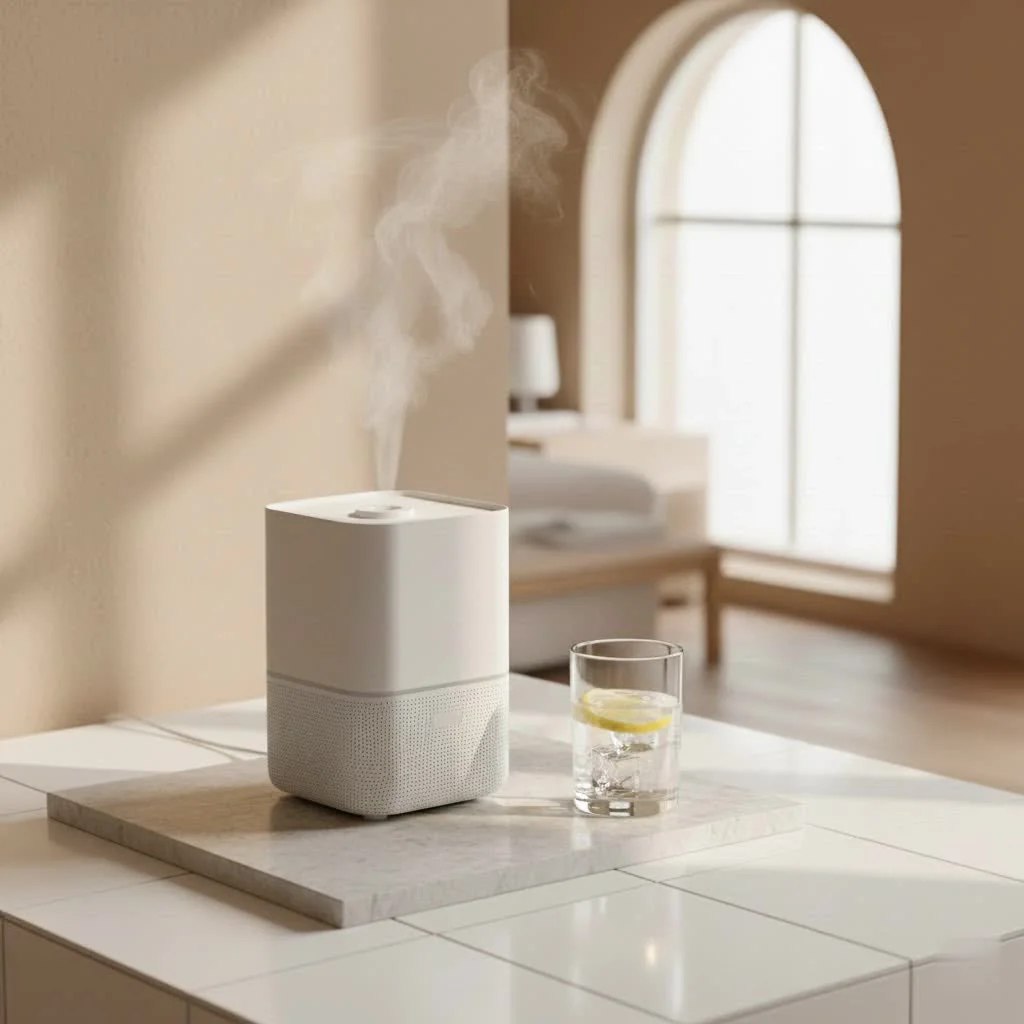
A humidifier for dry cough can bring significant comfort by adding moisture to the air, which soothes irritated respiratory passages and thins any thick mucus, making it easier to breathe. Dry air is a primary cause of persistent dry coughs, and maintaining an optimal indoor humidity level between 30% and 50% can alleviate the scratchy sensation in the throat and reduce the urge to cough.
Why That Persistent Dry Cough? Understanding the Culprits
Before exploring how a humidifier helps, it’s important to understand why a dry cough occurs. Often, the main culprit is simply dry air. Factors like the biting cold of winter, an arid climate, or even air conditioning running at full blast can quickly strip moisture from your delicate respiratory system.
When the air is dry, your nasal passages and throat become parched and irritated. This dryness can trigger a natural reflex to cough, even if there’s no mucus to expel. The throat can feel like sandpaper, with every breath causing tiny abrasions that prompt a cough to try and clear what isn’t there. Dry air can cause existing mucus to become thick and sticky, making it incredibly difficult for your body to move it out, exacerbating the sensation of needing to cough without relief. This is where a humidifier for dry cough truly shines, by reintroducing essential moisture.
The Science Behind the Soothe: How Humidifiers Work Their Magic
At its core, a humidifier is a simple yet powerful device that adds moisture back into the air. This added humidity can have a profound impact on alleviating the discomfort of a dry cough.
First, by increasing the moisture in your indoor environment, humidifiers help to soothe irritated tissues in your nose, throat, and even lungs. The moist air helps to rehydrate the mucous membranes, reducing that raw, scratchy feeling that often accompanies a dry cough. This means less irritation and, consequently, a reduced urge to cough unnecessarily.
Secondly, for instances where there might be some stubborn and thick mucus, a humidifier works wonders. The increased humidity helps to thin out any sticky secretions, making them easier for your body to clear. This can be particularly beneficial for conditions like post-nasal drip, where thick mucus dripping down the back of your throat can trigger a dry, irritating cough. With thinner mucus, your body can manage it more effectively, often leading to a more productive – or even eliminated – cough.
“The beauty of a humidifier for a dry cough lies in its ability to create an environment where your respiratory system can truly relax and heal,” explains Dr. Eleanor Vance, a seasoned respiratory therapist. “By maintaining optimal humidity, you’re not just treating a symptom; you’re supporting your body’s natural defenses.”
Cool Mist vs. Warm Mist: Choosing Your Dry Cough Companion
When considering a humidifier for dry cough relief, you’ll generally encounter two main types: cool mist and warm mist. Both are effective at adding moisture to the air, but they have distinct characteristics.
Cool Mist Humidifiers
|
Our Picks for the Best Humidifier in 2026
As an Amazon Associate I earn from qualifying purchases.
|
||
| Num | Product | Action |
|---|---|---|
| 1 | LEVOIT - Humidifiers for Bedroom - Quiet (3L Water Tank) - Cool Mist/Top Fill/Essential Oil Diffuser/25Watt - Home/Large Room - 360° Nozzle - Rapid Ultrasonic Humidification for Baby Nursery/Plant |

|
| 2 | HealthSmart 500ML Essential Oil Diffuser for Large Rooms, Cool Mist Humidifier and Aromatherapy Diffuser, Adjustable Timer, Mist Mode and 7 LED Light Colors, White (Pack of 1) |
|
| 3 | Zeova 9L/2.4Gal Smart Cool Mist Humidifier, Top Fill Quiet Humidifier Large Room, Covers 550ft², App & Remote Control, 60H Runtime, 7 Colors Light, 4 Mist Modes Humidifiers for Bedroom, Office, White |
|
| 4 | 13L/3.43Gal Humidifier Large Room, 800ft² Coverage, 100H Runtime, Auto Humidity Control, Top Fill, Humidifiers for Bedroom, 35dB Quiet, Sleep Mode, Aroma Diffuser, 24H Timer, Auto Shut-off Protection |
|
| 5 | Delletir Cool Mist Humidifiers for Babies, Bedroom, Nursery, Home and Office - Super Quiet Ultrasonic Vaporizer, Large Top-Refill 3.5L, Essential Oil Diffuser, Auto Off, Easy Clean |
|
| 6 | Breathe Essential Oil Blend 30 ml - Breath Sinus Relief with Menthol Oils - for Humidifiers, Diffusers, and Aromatherapy - Nexon Botanics |
|
| 7 | DREO Humidifiers for Bedroom, Cool Mist Ultrasonic Humidifier with 26dB Quiet & RGB Lighting, Top Fill 3L Tank, Easy Clean, 30 Hr Runtime for Home, Baby, Plant, Nursery, Work with Google/Alexa |
|
| 8 | Cool Mist Humidifiers - Essential Oil Top Fill Humidifier Cool Ultrasonic Humidifier Quiet Air Diffuser for Large Room & Easy to Clean with Filter & Oil Diffuser Plant Bedroom Humidifier |
|
| 9 | Diffuserlove Essential Oil Diffusers 200ML Remote Control Ultrasonic Mist Humidifiers BPA-Free Aromatherapy Diffuser with 7 Color Lights, Auto Shut-Off for Bedroom Office Kitchen |
|
| 10 | DREO Humidifiers for Bedroom, Top-filled Smart Quiet Cool Mist Humidifier for Large Room, 50 Hours Runtime for Home, Indoor Plants, Oil Diffuser & Nightlight for Baby Nusery, 5L, with Alexa/Google |
|
Cool mist humidifiers release room-temperature water vapor into the air. They are often recommended for households with children and pets because they pose no burn risk. This is a significant advantage, as accidental spills from warm mist units can cause serious injury. Cool mist humidifiers can be particularly effective at easing congestion and calming inflamed airways, making them a great choice when a dry cough is accompanied by a stuffy nose. On the downside, some models, especially evaporative types, can be a bit noisier due to internal fans. Also, because the water isn’t boiled, these units require diligent daily cleaning to prevent the growth and dispersion of bacteria or mold.
Warm Mist Humidifiers
Warm mist humidifiers, also known as steam vaporizers, work by heating water to create a soothing, warm steam that is then released into the air. Many people find the warm vapor incredibly comforting for a scratchy, dry cough or sore throat. The boiling process naturally sterilizes the water, meaning fewer airborne germs are released. They also tend to operate more quietly than some cool mist models, with a gentle bubbling sound. However, the obvious drawback is the burn risk associated with hot water and steam, making them less ideal for homes with young children or active pets. They also typically consume more energy because of the heating element.
Both types are effective. If safety is paramount, especially for little ones, a cool mist humidifier for dry cough is often the preferred choice. If you prioritize the soothing warmth and quieter operation, and don’t have burn concerns, a warm mist unit can be wonderfully effective.
Beyond the Basics: Expert Tips for Maximizing Relief
Simply plugging in a humidifier isn’t enough; proper usage and maintenance are critical for safety and effectiveness, especially when using a humidifier for dry cough.
Placement Matters
For optimal dry cough relief, place your humidifier in the room where you spend the most time, typically your bedroom. Position it on a flat, stable surface, a few feet away from your bed, and avoid placing it directly under vents or near windows, which can interfere with its operation. Ensure it’s not too close to walls, furniture, or electronics to prevent moisture damage.
Maintaining Optimal Humidity
The goal isn’t to turn your home into a rainforest. An ideal indoor humidity level is generally between 30% and 50%. Too much humidity can lead to condensation, promote mold growth, and encourage dust mites, which can actually worsen respiratory symptoms. Consider using a hygrometer (a device that measures humidity) to monitor levels. Many modern humidifiers come with built-in humidistats that automatically maintain your desired humidity.
Water Wise
Always use distilled or demineralized water in your humidifier. Tap water contains minerals that can create a fine white dust (mineral dust) that spreads throughout your room and can potentially irritate your lungs. These minerals also lead to scale buildup in the unit, reducing its efficiency and lifespan. Using distilled water will prevent both issues, ensuring a clean and healthy mist for your dry cough.
The Golden Rule: Cleanliness is Key
This cannot be stressed enough: a dirty humidifier can do more harm than good. Standing water, especially in cool mist units, can quickly become a breeding ground for bacteria and mold. These contaminants are then dispersed into the air, potentially exacerbating your cough or even causing new respiratory issues.
- Daily: Empty the water tank and refill with fresh distilled water. Wipe down the tank and base to prevent film buildup.
- Weekly: Thoroughly clean all parts of the humidifier according to the manufacturer’s instructions, often using a vinegar solution to descale and disinfect.
- Filter Replacement: If your humidifier has a filter, replace it regularly as recommended by the manufacturer.
When NOT to Use a Humidifier
While a humidifier for dry cough is generally beneficial, it’s not always the best solution. If your cough is caused by allergies to dust mites or mold, or if you have certain types of asthma that are triggered by humidity, adding more moisture to the air could make your symptoms worse. Always be mindful of your specific health conditions and consult a healthcare professional if you have concerns.
Troubleshooting Common Humidifier Hiccups
Sometimes, even with the best intentions, things don’t go perfectly.
What if my cough gets worse? If your dry cough seems to worsen after using a humidifier, first check for over-humidification (above 50% humidity) or ensure the unit is spotless. A dirty humidifier can release harmful particles, and excessive moisture can encourage allergens. Adjust humidity levels and ensure rigorous cleaning.
When should I consult a doctor? If your dry cough persists for more than a week, is severe, or is accompanied by other worrying symptoms like fever, shortness of breath, chest pain, or wheezing, it’s crucial to seek medical attention. A humidifier is a supportive measure, not a cure for underlying serious conditions.
Frequently Asked Questions (FAQ)
Can a humidifier help with any type of cough?
Humidifiers are most effective for dry, unproductive coughs caused by dry air or irritation. They help by moistening airways and thinning mucus. For wet, productive coughs, while they might help thin mucus, the primary focus should still be on addressing the underlying cause.
Is it safe to use a humidifier every night?
Yes, using a humidifier every night can be safe and beneficial, especially in dry environments or during cold and flu season. However, consistent daily cleaning and monitoring humidity levels to stay within the 30-50% range are essential to prevent health issues.
How often should I clean my humidifier when using it for a cough?
You should empty and refill your humidifier with fresh distilled water daily. A thorough cleaning with a descaling and disinfecting solution (like vinegar) should be done at least once a week, or more frequently if you notice buildup or odd smells.
What type of water is best for a humidifier?
Always use distilled or demineralized water. Tap water contains minerals that can be dispersed as white dust or contribute to mineral buildup within the unit, potentially causing respiratory irritation and damaging the humidifier.
Can I add essential oils to my humidifier?
It is generally not recommended to add essential oils directly to a humidifier unless the manufacturer specifically states it is designed for essential oils. Many humidifiers are not built for this, and oils can damage the unit or release chemicals that may irritate respiratory passages.
What’s the ideal humidity level for cough relief?
The ideal indoor humidity level for comfort and to help relieve a dry cough is between 30% and 50%. Levels above 60% can promote mold and dust mite growth, which can trigger allergies and worsen respiratory symptoms.
When should I see a doctor for my dry cough?
You should consult a doctor if your dry cough lasts more than a week, is severe, or if you experience additional symptoms like fever, chills, shortness of breath, chest pain, unintended weight loss, or wheezing. A persistent cough can indicate a more serious underlying condition.
Embrace Comfort, Breathe Easier
Battling a dry cough can be exhausting, leaving you longing for relief. Introducing a humidifier for dry cough into your home environment can be a major upgrade, transforming uncomfortable, dry air into a soothing, breathable atmosphere. By understanding how these devices work, choosing the right type for your household, and committing to proper maintenance, you’re not just investing in a piece of equipment; you’re investing in your comfort, your sleep, and your overall well-being. So, take a deep breath – the path to a more comfortable, cough-free existence might be just a whisper of moist air away.
Frequently Asked Questions
Can a humidifier help with any type of cough?
Humidifiers are most effective for dry, unproductive coughs caused by dry air or irritation, as they moisten airways and thin mucus. For wet, productive coughs, while they might help thin mucus, the primary focus should still be on addressing the underlying cause.
Is it safe to use a humidifier every night?
Yes, using a humidifier every night can be safe and beneficial, especially in dry environments or during cold and flu season. However, consistent daily cleaning and monitoring humidity levels to stay within the 30-50% range are essential to prevent health issues.
How often should I clean my humidifier when using it for a cough?
You should empty and refill your humidifier with fresh distilled water daily. A thorough cleaning with a descaling and disinfecting solution (like vinegar) should be done at least once a week, or more frequently if you notice buildup or odd smells.
What type of water is best for a humidifier?
Always use distilled or demineralized water. Tap water contains minerals that can be dispersed as white dust or contribute to mineral buildup within the unit, potentially causing respiratory irritation and damaging the humidifier.
Can I add essential oils to my humidifier?
It is generally not recommended to add essential oils directly to a humidifier unless the manufacturer specifically states it is designed for essential oils. Many humidifiers are not built for this, and oils can damage the unit or release chemicals that may irritate respiratory passages.
What's the ideal humidity level for cough relief?
The ideal indoor humidity level for comfort and to help relieve a dry cough is between 30% and 50%. Levels above 60% can promote mold and dust mite growth, which can trigger allergies and worsen respiratory symptoms.
Get our weekly buyer guide
Practical specs, not advice. Unsubscribe anytime.
The humidifier does help with my dry cough, especially when the air conditioning is blasting. I noticed my throat feels better and I’m not coughing as much. My only complaint is that it’s a bit louder than I expected, which can be a little distracting when I’m trying to work from home. It’s not terrible, but something to consider.
I’ve been struggling with a persistent dry cough for weeks, especially at night. After reading about how dry air contributes to it, I decided to try a humidifier. This one made such a difference! I can finally sleep through the night without waking up coughing, and my throat feels so much less scratchy in the mornings. Definitely recommend for anyone dealing with similar issues.
I bought this humidifier specifically because my apartment gets super dry in the winter, and I always end up with a dry cough that just won’t quit. Keeping the humidity between 30% and 50% really does make a difference. My skin also feels less dry, which is a nice bonus! It’s easy to refill and clean, which is a big plus for me.