A hot air humidifier, also known as a warm mist humidifier or steam vaporizer, operates by boiling water to produce sterile steam, which is then released into the air to increase humidity. These devices are particularly effective in colder months, providing a soothing, warm mist that can alleviate dry air symptoms like chapped lips and irritated throats, and offer significant respiratory relief during colds or flu. The boiling process naturally sanitizes the water, killing most bacteria, viruses, and mold spores, ensuring a cleaner mist compared to cool mist alternatives.
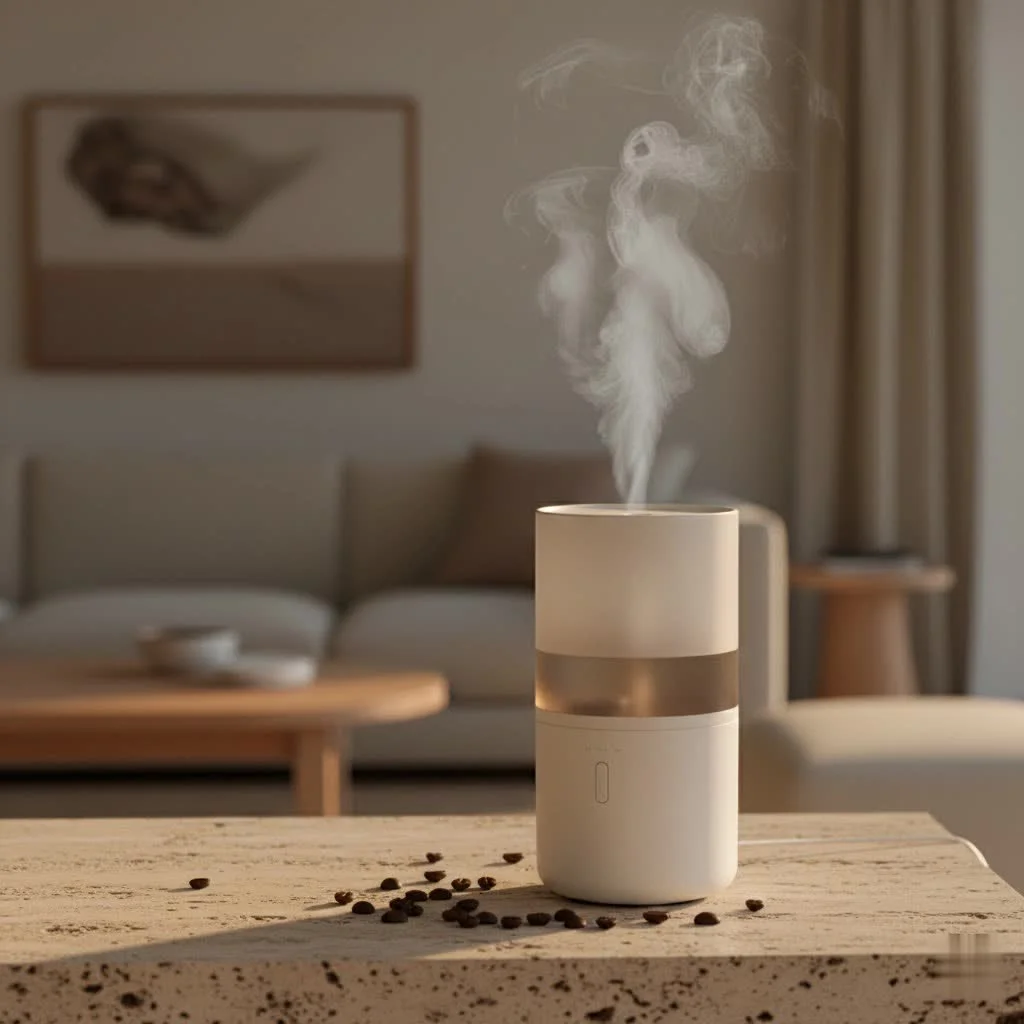
As a seasoned expert in humidity control systems, I’ve seen countless innovations, but the principle behind the hot air humidifier remains a reliable choice for many. It’s not just about adding moisture; it’s about doing so with a gentle, comforting touch, and with inherent sanitization benefits that can make a real difference to your indoor air qualityLet’s dive deep into understanding these helpful devices, how they operate, and how to make the most of them for a healthier, cozier home.
What Exactly is a Hot Air Humidifier?
When we talk about a “hot air humidifier,” we’re essentially referring to what’s widely known as a warm mist humidifier or a steam vaporizer. Unlike their cool mist counterparts, these devices don’t just disperse water at room temperature; they actively heat and boil water to create steam. This steam is then released into your room, adding moisture in a gentle, warm cloud. Think of it like a miniature, room-friendly sauna, providing a soothing environment especially during colder months.
The primary distinction is the heat involved. While a cool mist humidifier might use ultrasonic vibrations or a fan over a wick filter, a hot air humidifier relies on a heating element to bring water to a boil. This simple yet effective mechanism results in a mist that feels warmer to the touch and offers unique benefits we’ll explore shortly.
The Science Behind the Steam: How Hot Air Humidifiers Work
The operational mechanics of a hot air humidifier are quite straightforward. Inside the unit, a heating element warms the water in the reservoir until it reaches its boiling point. Once the water boils, it transforms into sterile steam. This steam then rises, passes through a cooling chamber (to prevent it from being scalding hot as it exits), and is finally dispersed into the room as a fine, warm mist.
This boiling process is a natural sterilizer. The high temperature effectively kills most waterborne bacteria, viruses, and mold spores that might otherwise be present in the water, ensuring that the mist released into your air is cleaner. This “self-sanitizing” feature is one of the most significant advantages, contributing to better indoor air quality without the need for additional filters to capture microbes. The absence of a fan in many models also makes them remarkably quiet, adding to their appeal for use in bedrooms or quiet spaces.
The Comforting Benefits: Why Choose a Hot Air Humidifier?
Hot air humidifiers offer a distinct set of advantages, particularly appealing during specific times of the year or for certain health concerns.
Soothing Warmth for Chilly Days
|
Our Picks for the Best Humidifier in 2026
As an Amazon Associate I earn from qualifying purchases.
|
||
| Num | Product | Action |
|---|---|---|
| 1 | 13L/3.43Gal Humidifier Large Room, 800ft² Coverage, 100H Runtime, Auto Humidity Control, Top Fill, Humidifiers for Bedroom, 35dB Quiet, Sleep Mode, Aroma Diffuser, 24H Timer, Auto Shut-off Protection |

|
| 2 | HealthSmart 500ML Essential Oil Diffuser for Large Rooms, Cool Mist Humidifier and Aromatherapy Diffuser, Adjustable Timer, Mist Mode and 7 LED Light Colors, White (Pack of 1) |
|
| 3 | Breathe Essential Oil Blend 30 ml - Breath Sinus Relief with Menthol Oils - for Humidifiers, Diffusers, and Aromatherapy - Nexon Botanics |
|
| 4 | LEVOIT - Humidifiers for Bedroom - Quiet (3L Water Tank) - Cool Mist/Top Fill/Essential Oil Diffuser/25Watt - Home/Large Room - 360° Nozzle - Rapid Ultrasonic Humidification for Baby Nursery/Plant |
|
| 5 | DREO Humidifiers for Bedroom, Top-filled Smart Quiet Cool Mist Humidifier for Large Room, 50 Hours Runtime for Home, Indoor Plants, Oil Diffuser & Nightlight for Baby Nusery, 5L, with Alexa/Google |
|
| 6 | Delletir Cool Mist Humidifiers for Babies, Bedroom, Nursery, Home and Office - Super Quiet Ultrasonic Vaporizer, Large Top-Refill 3.5L, Essential Oil Diffuser, Auto Off, Easy Clean |
|
| 7 | Cool Mist Humidifiers - Essential Oil Top Fill Humidifier Cool Ultrasonic Humidifier Quiet Air Diffuser for Large Room & Easy to Clean with Filter & Oil Diffuser Plant Bedroom Humidifier |
|
| 8 | DREO Humidifiers for Bedroom, Cool Mist Ultrasonic Humidifier with 26dB Quiet & RGB Lighting, Top Fill 3L Tank, Easy Clean, 30 Hr Runtime for Home, Baby, Plant, Nursery, Work with Google/Alexa |
|
| 9 | Zeova 9L/2.4Gal Smart Cool Mist Humidifier, Top Fill Quiet Humidifier Large Room, Covers 550ft², App & Remote Control, 60H Runtime, 7 Colors Light, 4 Mist Modes Humidifiers for Bedroom, Office, White |
|
| 10 | Diffuserlove Essential Oil Diffusers 200ML Remote Control Ultrasonic Mist Humidifiers BPA-Free Aromatherapy Diffuser with 7 Color Lights, Auto Shut-Off for Bedroom Office Kitchen |
|
One of the most immediate benefits is the subtle warmth they introduce into your space. On a cold winter evening, the gentle, warm mist can make a room feel cozier and more inviting, providing a welcome contrast to the dry, often cooler air produced by central heating systems. It’s like a warm hug for your environment.
A Cleaner Mist for Better Breathing
Because the water is boiled, the steam produced is largely free of bacteria, mold, and other microorganisms that can proliferate in standing water. This means you’re breathing in a purer, cleaner mist, which can be a significant relief, especially for those concerned about airborne contaminants. “The boiling action is a major upgrade for air quality,” says Dr. Amelia Vance, a leading environmental health specialist. “It acts as a natural purifier, ensuring the moisture you add to your home is as clean as possible.”
Respiratory Relief When You Need It Most
For those grappling with a cold, flu, sinusitis, or other respiratory irritations, a hot air humidifier can be a godsend. The warm, moist air helps to loosen mucus in nasal passages and the chest, making it easier to breathe and providing comfort for dry coughs and sore throats. It’s a natural remedy that complements other treatments, helping you feel more comfortable as you recover.
Whisper-Quiet Operation
Many warm mist humidifiers operate without an internal fan, relying purely on the natural convection of steam. This design often makes them considerably quieter than some cool mist models, which can be a huge plus for light sleepers or for use in nurseries where minimal disturbance is key.
Often Filter-Free Maintenance
While maintenance is always crucial, many hot air humidifiers are filter-free. This eliminates the recurring cost and hassle of replacing expensive wicking filters, though it does shift the focus to regular cleaning of mineral deposits.
Navigating the Downsides: Important Considerations for Hot Air Humidifiers
While hot air humidifiers offer compelling benefits, it’s also important to be aware of their potential drawbacks and use them responsibly.
The Burn Hazard
Perhaps the most significant concern with hot air humidifiers is the risk of burns. Since these units boil water, the heating element and the exiting steam can be very hot. If the unit is accidentally tipped over, or if children or pets get too close, there’s a real danger of scalding. This is why experts, including myself, strongly advise against using warm mist humidifiers in households with young children or active pets, or placing them in easily accessible areas.
Higher Energy Consumption
Boiling water requires more energy than simply dispersing it. Consequently, hot air humidifiers tend to consume more electricity than cool mist models, which can translate to slightly higher operating costs, especially if used frequently.
Mineral Buildup and Cleaning Intensity
The boiling process, while sanitizing, leaves behind mineral deposits from the water (scale) in the heating element and reservoir. This buildup can reduce the humidifier’s efficiency over time and requires diligent, regular cleaning to prevent performance issues and potential bacterial growth within the scale itself. It’s a trade-off: fewer airborne minerals, but more physical scrubbing.
Best Suited for Smaller Spaces
Due to the nature of steam dispersal, hot air humidifiers are generally more effective in smaller to medium-sized rooms, such as bedrooms or offices. They may struggle to adequately humidify larger open-plan areas compared to some powerful cool mist or whole-house systems.
FDA Note on Nasal Passages
Interestingly, the U.S. Food and Drug Administration (FDA) has noted that warm mist humidifiers can sometimes cause nasal passages to swell, potentially making breathing more difficult for individuals with colds. While often soothing, it’s worth being mindful of this individual response.
Hot Air Humidifiers vs. Cool Mist: A Quick Comparison
Choosing between a hot air and cool mist humidifier often boils down to personal preference, specific needs, and household safety considerations. Here’s a quick overview:
| Feature | Hot Air Humidifier (Warm Mist) | Cool Mist Humidifier |
|---|---|---|
| Mist Type | Warm, soothing steam | Cool, refreshing mist |
| How It Works | Boils water to produce steam | Ultrasonic vibrations or evaporative fan |
| Safety | Burn risk (hot water/steam) | No burn risk (safer for children/pets) |
| Air Quality | Steam is sterilized; cleaner mist | Can disperse minerals (“white dust”) and bacteria/mold if not cleaned |
| Energy Use | Higher (due to heating element) | Lower (more energy-efficient) |
| Noise Level | Generally quieter (no fan) | Can be louder (fan noise) or very quiet (ultrasonic) |
| Maintenance | Frequent descaling for mineral buildup | Regular cleaning to prevent bacterial/mold growth; filter replacement |
| Best For | Cold climates, respiratory relief, small rooms | Year-round use, large rooms, children/pets |
Keeping Your Warm Mist Companion Pristine: Essential Maintenance Tips
Regular maintenance is paramount for any humidifier, but especially for hot air models due to mineral buildup. Proper care ensures your device functions efficiently, maintains healthy air quality, and extends its lifespan.
- Daily Routine: Each day, empty any remaining water from the reservoir and dry the tank’s interior and base thoroughly. This prevents stagnant water, which can quickly become a breeding ground for microbes.
- Weekly Deep Clean (or Every 3 Days): This is where you tackle mineral deposits.
- Descaling: Unplug the unit. Fill the water tank with a solution of equal parts white vinegar and water. Let it soak for 20-30 minutes, or longer for heavy buildup. For stubborn spots, gently scrub with a soft brush.
- Disinfecting: After descaling and rinsing thoroughly, you can disinfect. Some manufacturers recommend a 10% bleach solution (one teaspoon of bleach per gallon of water) for 20 minutes, followed by rinsing at least ten times until the bleach smell is completely gone. Always check your manufacturer’s instructions first, as not all materials are compatible with bleach.
- Rinse, Rinse, Rinse: Ensure all cleaning solutions are completely rinsed out before refilling with water for use.
- Use Distilled or Purified Water: This is perhaps the single best tip for reducing mineral buildup in a hot air humidifier. Tap water contains minerals that contribute to scale. Distilled or purified water significantly minimizes this issue, meaning less scrubbing for you.
- Clean Before and After Storage: If you only use your hot air humidifier seasonally, give it a thorough clean before packing it away, and another good scrub before its first use of the new season.
- Never Use Harsh Chemicals or Essential Oils (Unless Specified): Unless your humidifier is specifically designed for aromatherapy, avoid adding essential oils, medications, or any harsh chemical cleaning agents directly to the water tank. These can damage the unit, create harmful airborne particles, or become ineffective.
Safety First: Using Your Hot Air Humidifier Responsibly
As a humidifier expert, I can’t stress enough the importance of safety, especially with hot air models. A well-maintained and properly placed humidifier enhances comfort, but misuse can lead to problems.
Maintain Optimal Humidity Levels
Aim for a relative humidity level between 30% and 50% in your home. Too little humidity can lead to discomfort, but too much (above 50-60%) creates an ideal environment for mold growth, dust mites, and bacteria. Invest in a hygrometer (humidity monitor) to keep track and adjust your humidifier accordingly. Many modern humidifiers have built-in humidistats that automatically maintain your desired level.
Smart Placement is Key
- Elevate It: Always place your hot air humidifier on a stable, elevated surface, such as a sturdy nightstand or dresser. Never place it directly on the floor where it could be a tripping hazard or easily knocked over by children or pets.
- Distance Matters: Keep the humidifier several feet away from your bed, walls, curtains, and delicate wooden furniture. The warm mist can cause condensation, leading to potential damage to surfaces, wallpaper, or fabrics.
- Avoid Electronics: Water and electricity don’t mix. Position your humidifier well away from any electronics like TVs, stereos, phones, or laptops to prevent accidental damage or electrical hazards.
- Don’t Block Vents: Placing a humidifier directly in front of a heating or cooling vent can interfere with its performance, as the dry air from the furnace might evaporate the mist before it can properly disperse.
What Not to Put in Your Humidifier
Beyond cleaning agents, resist the urge to add anything to your humidifier’s water tank unless explicitly stated by the manufacturer. This includes:
- Essential Oils: While tempting for aromatherapy, most humidifiers are not designed for essential oils. The oils can break down plastic components, clog the unit, or be dispersed in a way that’s not safe for inhalation.
- Medications: Vaporizers with medicine cups are designed for specific medicated inhalants. Do not add over-the-counter cold remedies or other medications directly to the water tank unless the device is specifically made for it.
Listen to Your Body and Your Home
If you notice excessive dampness around the humidifier, condensation on windows, or if anyone in your household develops new breathing issues or flu-like symptoms, stop using the humidifier immediately. “Humidifier fever,” a form of lung inflammation caused by colonized bacteria, is a serious concern, and constant vigilance is your best defense against such health risks.
Expert Insight: What Industry Professionals Say
“From an engineering perspective, the hot air humidifier, or vaporizer, offers an elegant solution to air moisture,” notes Alistair Finch, a veteran HVAC system designer. “The thermal disinfection of water is a significant advantage for indoor air quality, reducing the aerosolization of contaminants. However, this inherent safety feature necessitates careful consideration of placement and user interaction to mitigate burn risks, especially in homes with vulnerable occupants. Balancing these design efficiencies with practical safety measures is crucial for optimal comfort and health.”
FAQs: Your Most Common Hot Air Humidifier Questions Answered
Q1: Is a hot air humidifier the same as a warm mist humidifier?
A: Yes, “hot air humidifier” is commonly used interchangeably with “warm mist humidifier” or “steam vaporizer.” All these terms refer to devices that boil water to create and release warm steam into the air, adding moisture to your environment.
Q2: Are hot air humidifiers safe for babies or young children?
A: Due to the risk of burns from hot water or steam, medical experts generally recommend cool mist humidifiers for households with babies, young children, or pets. If you must use a warm mist humidifier, ensure it is placed completely out of reach and on a stable surface where it cannot be tipped over.
Q3: How often should I clean my hot air humidifier?
A: You should empty and dry the water tank daily. A more thorough cleaning, including descaling and disinfecting, should be done every three days or at least once a week to prevent mineral buildup and the growth of bacteria and mold. Using distilled water can help reduce the frequency of heavy descaling.
Q4: Can a hot air humidifier help with cold and flu symptoms?
A: Absolutely. The warm, moist air produced by a hot air humidifier can be very soothing for irritated nasal passages, dry coughs, and sore throats, helping to loosen congestion and make breathing more comfortable during a cold or flu.
Q5: Do hot air humidifiers use a lot of electricity?
A: Generally, yes, hot air humidifiers tend to use more electricity than cool mist models because they require a heating element to boil the water. This can result in slightly higher operating costs over time compared to ultrasonic or evaporative cool mist units.
Q6: Can I add essential oils to my hot air humidifier?
A: Unless your specific humidifier model is designed with a separate tray or diffuser for essential oils, it is generally not recommended to add them directly to the water tank. Essential oils can damage the humidifier’s components and may not be safe to inhale when dispersed in this manner.
Embrace the Warmth, Breathe Easier
Hot air humidifiers, or warm mist humidifiers, are fantastic tools for enhancing comfort and promoting well-being in your home, especially when the air turns dry and chilly. They offer the unique benefit of a naturally sanitized, soothing mist that can work wonders for respiratory comfort during cold and flu season.
However, like any powerful appliance, responsible use is key. By understanding how these devices work, diligently following maintenance guidelines, and prioritizing safety with careful placement, you can confidently integrate a hot air humidifier into your home. You’ll not only enjoy a cozier, more comfortable living space but also breathe easier, knowing you’re managing your indoor air quality like a seasoned pro. Here’s to finding your perfect mist and making your home a sanctuary of optimal humidity!
Maintain Your Warm Mist Humidifier
Proper maintenance of your warm mist humidifier ensures efficient operation, healthy air quality, and extends its lifespan. Follow these steps for optimal care.
Each day, empty any remaining water from the reservoir. Thoroughly dry the tank's interior and base to prevent stagnant water, which can become a breeding ground for microbes.
Every three days or at least once a week, unplug the unit and descale it by filling the tank with equal parts white vinegar and water, letting it soak for 20-30 minutes. Rinse thoroughly, then disinfect with a 10% bleach solution if recommended by the manufacturer, followed by extensive rinsing.
To significantly reduce mineral buildup, use distilled or purified water instead of tap water. This minimizes scale formation on the heating element and reservoir, reducing the frequency of heavy scrubbing.
If using your humidifier seasonally, perform a thorough cleaning before packing it away for storage. Repeat this deep cleaning process before its first use of the new season to ensure it's ready for operation.
Unless specifically designed for aromatherapy, never add essential oils, medications, or harsh chemical cleaning agents directly to the water tank. These substances can damage the unit, clog components, or create harmful airborne particles.
Get our weekly buyer guide
Practical specs, not advice. Unsubscribe anytime.
I got one of these steam vaporizers hoping it would help with my constant stuffy nose during flu season. It does provide some relief, and the warm mist is nice, but I find myself refilling it pretty often. Also, cleaning it can be a bit of a hassle with the mineral buildup, even though it’s supposed to be cleaner than cool mist. It’s okay, but not a miracle worker for me.
I’ve been using a warm mist humidifier for years, especially during winter, and it’s a game-changer for my dry sinuses. The fact that it boils the water for a sterile mist really puts my mind at ease, knowing I’m not just blowing germs around. It makes such a difference for my throat and chapped lips, especially when the heat is blasting. Highly recommend for anyone struggling with dry air symptoms.
This hot air humidifier has been a lifesaver for my kids when they get colds. The gentle, comforting mist really helps them breathe easier at night, and I love that it’s naturally sanitized. It’s much better than just a bowl of water on the radiator. It’s a bit noisy sometimes, but the benefits definitely outweigh that minor inconvenience.