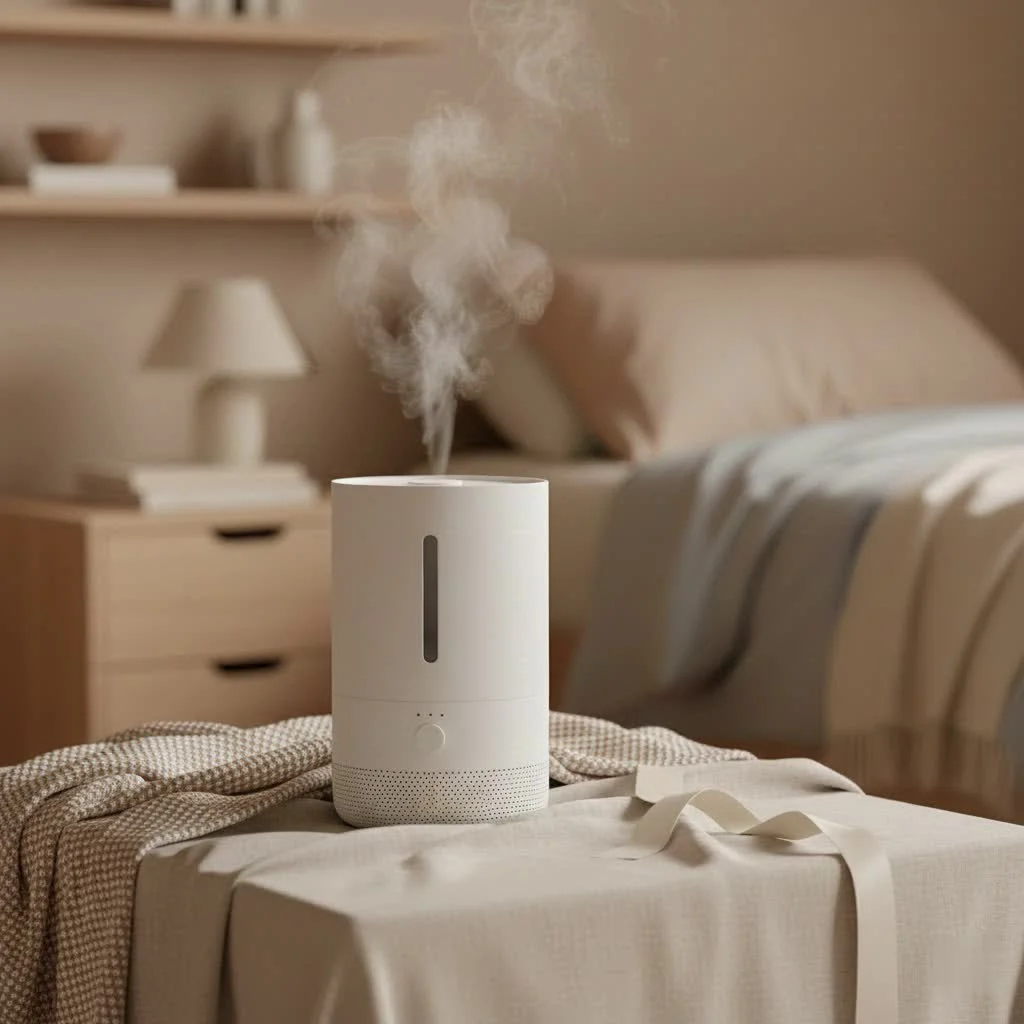
A humidifier for dry air effectively combats the discomforts of low indoor humidity, which often drops to 20-30% during colder months or in arid climates. These devices work by adding moisture back into the environment, ideally maintaining indoor humidity levels between 40% and 60%. This optimal range helps alleviate dry skin, soothe respiratory passages, reduce static electricity, and protect wooden furniture and houseplants from damage, significantly improving overall health and home comfort.
Why Dry Air is a Bigger Problem Than You Think
Many of us simply tolerate dry air, dismissing it as a minor annoyance, especially during colder months when heating systems are running full tilt. But the truth is, consistently low humidity can subtly, yet significantly, impact your well-being and your living space. When the air lacks moisture, it naturally seeks to pull it from anywhere it can – and that often means from you and your surroundings. For see our home air recommendations on this site.
The Unseen Threat
Think about it: during winter or in naturally arid climates, your home’s heating or air conditioning systems actively remove moisture from the air, often dropping humidity levels to a bone-dry 20-30%. This isn’t just uncomfortable; it’s an environmental stressor. Dr. Alison Ehrlich, a board-certified dermatologist, notes that low humidity can exacerbate skin conditions, highlighting the very real impact on our largest organ.
Finding the Sweet Spot: Ideal Humidity Levels
So, what’s the magic number? For optimal health and comfort, the ideal indoor humidity level typically falls between 40% and 60%. Some experts recommend a slightly narrower range of 30% to 50%. Staying within this zone helps prevent issues like dry skin and respiratory irritation, while also deterring the growth of mold and dust mites, which thrive in overly humid conditions.
The Remarkable Benefits of a Humidifier for Dry Air
Adding moisture back into your environment using a humidifier for dry air brings a surprising array of benefits that go far beyond just feeling “less dry.”
For Your Health
- Soothing Dry Skin & Lips: Ever notice how your skin feels tight, itchy, or even flaky in dry conditions? That’s because the air is drawing moisture directly from it. A humidifier helps restore that moisture, supporting skin hydration and reducing roughness. It’s like giving your skin a much-needed drink.
- Easing Respiratory Discomfort: Dry air can irritate your nasal passages and throat, making you more susceptible to colds, congestion, and sinus infections. For those with allergies or asthma, dry air can even trigger or worsen symptoms. By keeping airways moist, a humidifier can alleviate discomfort, help thin mucus, and make breathing easier.
- Improving Sleep Quality & Reducing Snoring: If you or a loved one struggles with snoring or disrupted sleep, dry air might be a contributing factor. Irritated nasal passages make breathing harder, which can lead to increased snoring. A properly humidified bedroom can lead to more restful nights and clearer breathing.
For Your Home
|
Our Picks for the Best Humidifier in 2026
As an Amazon Associate I earn from qualifying purchases.
|
||
| Num | Product | Action |
|---|---|---|
| 1 | Diffuserlove Essential Oil Diffusers 200ML Remote Control Ultrasonic Mist Humidifiers BPA-Free Aromatherapy Diffuser with 7 Color Lights, Auto Shut-Off for Bedroom Office Kitchen |

|
| 2 | HealthSmart 500ML Essential Oil Diffuser for Large Rooms, Cool Mist Humidifier and Aromatherapy Diffuser, Adjustable Timer, Mist Mode and 7 LED Light Colors, White (Pack of 1) |
|
| 3 | DREO Humidifiers for Bedroom, Top-filled Smart Quiet Cool Mist Humidifier for Large Room, 50 Hours Runtime for Home, Indoor Plants, Oil Diffuser & Nightlight for Baby Nusery, 5L, with Alexa/Google |
|
| 4 | Cool Mist Humidifiers - Essential Oil Top Fill Humidifier Cool Ultrasonic Humidifier Quiet Air Diffuser for Large Room & Easy to Clean with Filter & Oil Diffuser Plant Bedroom Humidifier |
|
| 5 | LEVOIT - Humidifiers for Bedroom - Quiet (3L Water Tank) - Cool Mist/Top Fill/Essential Oil Diffuser/25Watt - Home/Large Room - 360° Nozzle - Rapid Ultrasonic Humidification for Baby Nursery/Plant |
|
| 6 | 13L/3.43Gal Humidifier Large Room, 800ft² Coverage, 100H Runtime, Auto Humidity Control, Top Fill, Humidifiers for Bedroom, 35dB Quiet, Sleep Mode, Aroma Diffuser, 24H Timer, Auto Shut-off Protection |
|
| 7 | Zeova 9L/2.4Gal Smart Cool Mist Humidifier, Top Fill Quiet Humidifier Large Room, Covers 550ft², App & Remote Control, 60H Runtime, 7 Colors Light, 4 Mist Modes Humidifiers for Bedroom, Office, White |
|
| 8 | Breathe Essential Oil Blend 30 ml - Breath Sinus Relief with Menthol Oils - for Humidifiers, Diffusers, and Aromatherapy - Nexon Botanics |
|
| 9 | Delletir Cool Mist Humidifiers for Babies, Bedroom, Nursery, Home and Office - Super Quiet Ultrasonic Vaporizer, Large Top-Refill 3.5L, Essential Oil Diffuser, Auto Off, Easy Clean |
|
| 10 | DREO Humidifiers for Bedroom, Cool Mist Ultrasonic Humidifier with 26dB Quiet & RGB Lighting, Top Fill 3L Tank, Easy Clean, 30 Hr Runtime for Home, Baby, Plant, Nursery, Work with Google/Alexa |
|
- Protecting Furniture & Plants: Just as dry air affects your skin, it can impact natural materials in your home. Wooden floors, furniture, and even musical instruments can crack, warp, or become damaged when humidity levels are consistently low. Houseplants, especially tropical varieties, also thrive in more humid conditions and will look more vibrant.
- Minimizing Static Electricity: Those annoying shocks you get when touching a doorknob or petting your cat? That’s static electricity, and it’s much more prevalent in dry environments. Increased humidity naturally dissipates static buildup, saving you (and your electronics) from those jarring zaps.
Navigating the Mist: Types of Humidifiers for Dry Environments
Choosing the right humidifier for dry air can feel a bit overwhelming with so many options out there. But understanding the main types will help you find the perfect match for your needs.
Cool Mist Humidifiers
These are often recommended for households with children or pets because they don’t use heat, eliminating the risk of burns.
- Ultrasonic Humidifiers: These models use high-frequency vibrations to turn water into a super-fine mist. They’re typically very quiet and energy-efficient, making them ideal for bedrooms. However, if you use hard tap water, they can sometimes produce a fine white dust (mineral residue) that settles on surfaces. Using distilled or filtered water is a great way to avoid this.
- Evaporative Humidifiers: These work by using a fan to blow air through a wet wick or filter. The air naturally picks up moisture and disperses it into the room. They are often self-regulating, meaning they add less moisture as the room reaches its target humidity, reducing the risk of over-humidification. The main drawback can be the subtle fan noise and the need to regularly clean or replace filters.
Warm Mist Humidifiers
Often called vaporizers, these humidifiers heat water to create steam, which is then released into the air.
- How They Work: They boil water, creating a warm, sterile mist.
- Pros: The warm mist can feel soothing, especially during cold and flu season, as the heat helps kill bacteria in the water before it’s released. They tend to be quieter than evaporative models due to the absence of a fan.
- Cons: They consume more energy due to the heating element and pose a burn risk if tipped over, making cool mist models generally safer for families with young children.
Whole-House Humidifiers
For comprehensive humidity control across your entire home, a whole-house system might be your best bet.
- How They Work: These units integrate directly with your home’s HVAC system, distributing moisture through your existing ductwork.
- Pros: They provide consistent humidity levels throughout your entire living space, often require less frequent maintenance than portable units, and typically have a larger capacity, eliminating the need for constant refills.
- Cons: Initial installation is more complex and costly, and they’re generally not a DIY project.
Smart Humidifiers
Welcome to the future of home comfort! Many modern humidifiers now come equipped with smart features.
- Features: These can include app control from your smartphone, voice command integration with smart assistants, programmable schedules, and built-in humidistats that automatically adjust output to maintain your desired humidity level. This makes managing your home’s moisture effortless.
Choosing Your Perfect Humidifier for Dry Air: What to Consider
Selecting the right humidifier for dry air involves more than just picking the first one you see. Here’s what I, as an experienced engineer, recommend you consider:
Room Size & Coverage
This is critical. A small personal humidifier won’t do much for a large living room. Humidifiers are rated for specific room sizes (e.g., small, medium, large rooms, or whole-house). Always match the humidifier’s capacity to the square footage of the area you intend to humidify. An undersized unit will struggle, while an oversized one can lead to excessive humidity and condensation.
Water Tank Capacity & Run Time
How often do you want to refill the tank? If you plan to run your humidifier overnight or all day, a larger tank (e.g., 1-gallon for a small room, up to 6 liters for larger spaces) with a longer run time (24-72 hours) will be more convenient. Frequent refilling can quickly become a chore.
Noise Level
Especially important for bedrooms or nurseries, some humidifiers can be quite noisy. Ultrasonic models are generally the quietest, while evaporative units might have a soft fan hum. Check reviews for noise complaints if quiet operation is a priority for you.
Filter vs. Filter-Free
- Filter Models (Evaporative): These require regular filter replacement, which adds to ongoing costs and maintenance. However, filters can trap minerals and impurities, potentially leading to cleaner mist.
- Filter-Free Models (Some Ultrasonics, Warm Mist): While convenient, filter-free ultrasonic models can contribute to “white dust” if you use hard water. Warm mist units sterilize water through boiling.
Essential Features
- Humidistat: This is a must-have. A built-in humidistat allows you to set your target humidity level, and the unit will automatically turn on or off to maintain it. This prevents both under-humidification and over-humidification.
- Auto Shut-off: A safety feature that turns the unit off when the water tank is empty or when the desired humidity level is reached.
- Aromatherapy Tray: If you enjoy essential oils, some models include a dedicated tray for diffusion, allowing you to combine humidification with a pleasant scent.
Safety First
If you have children or pets, a cool mist humidifier is generally the safest choice due to the absence of a heating element and hot water. Always place any humidifier on a stable, elevated surface, out of reach.
Keeping Your Humidifier in Top Shape: Essential Maintenance for Dry Air Relief
Even the best humidifier for dry air won’t perform optimally or safely without proper maintenance. Neglecting your unit can lead to bacterial growth, mold, and mineral buildup, which can negate the very benefits you seek. Here’s a simple, expert-approved maintenance routine:
Daily Care
- Empty and Rinse: Each day, empty any leftover water from the tank and basin. Rinse them thoroughly with fresh water to prevent stagnant water from becoming a breeding ground for bacteria.
- Refill with Fresh Water: Always refill with fresh, clean water. Ideally, use distilled or demineralized water to prevent mineral buildup and the dreaded “white dust.”
- Wipe Down: Give visible surfaces a quick wipe with a clean, dry cloth.
Weekly Cleaning
This is where you tackle mineral deposits and potential microbial growth.
- Disassemble: Unplug the unit and take apart all removable components (tank, base, mist nozzle, filter if applicable).
- Clean the Base and Tank: Create a cleaning solution. A common and effective method is using equal parts white vinegar and water. Soak the components for at least 30 minutes to an hour to dissolve mineral buildup. For stubborn spots, gently scrub with a soft brush or sponge.
- Sanitize (Optional, but Recommended): For a deeper clean, especially if you notice any slimy residue or odors, you can sanitize. After the vinegar soak and rinse, you can use a solution of 1 teaspoon of bleach per gallon of water (soak for 20 minutes) or a tablespoon of hydrogen peroxide in a tank full of water (soak for 15-20 minutes). ALWAYS rinse thoroughly multiple times with clean water after using bleach or hydrogen peroxide to remove any chemical residue.
- Air Dry: Allow all parts to air dry completely before reassembling the unit.
Using the Right Water
This is crucial. Tap water, especially hard water, contains minerals that can cause:
- White Dust: Fine mineral particles released into the air by ultrasonic humidifiers.
- Mineral Buildup: Calcified deposits on heating elements or ultrasonic plates, reducing efficiency and potentially damaging the unit.
- Bacterial Growth: While less common than with stagnant water, impurities in tap water can contribute. For these reasons, I always recommend using distilled water or filtered water in your humidifier for dry air to ensure the cleanest mist and prolong your unit’s lifespan.
Filter Care
If your humidifier uses a filter or wick:
- Check Regularly: Inspect the filter monthly for discoloration or damage.
- Replace as Recommended: Follow the manufacturer’s guidelines for replacement, typically every 1-3 months, depending on usage and water quality. A clogged filter will significantly reduce your humidifier’s effectiveness.
Monitoring Humidity Levels
Using a separate hygrometer (humidity monitor) can help you ensure your humidifier is maintaining the ideal 40-60% range, preventing both excessive dryness and over-humidification, which can lead to mold issues.
Troubleshooting Common Humidifier Problems
Even with the best care, sometimes your humidifier for dry air might act up. Here are some common issues and how to tackle them:
No Mist Output
- Empty Water Tank: This sounds obvious, but it’s the most common oversight! Double-check the water level.
- Mineral Buildup: Hard water can leave deposits on the ultrasonic plate or heating element, preventing proper mist formation. A thorough cleaning with vinegar (as described in maintenance) usually solves this.
- Clogged Filter: If your unit has a filter, a dirty or clogged one will restrict airflow and mist. Clean or replace it.
- Incorrect Humidity Setting: If your humidifier has a humidistat, it might not produce mist if the ambient humidity already meets or exceeds your target setting.
Unpleasant Odors
- Bacterial Growth: Stagnant water in the tank is the primary culprit, leading to musty smells. Daily rinsing and weekly deep cleaning (including sanitizing) are essential.
- Mineral Deposits: Sometimes, mineral buildup can create an odd smell when heated or vibrated. Regular cleaning helps prevent this.
Leaking or Condensation
- Overfilling: Check if you’ve filled the water tank past the maximum line.
- Improper Sealing: Ensure all caps, gaskets, and components are securely in place after refilling or cleaning.
- Excess Humidity: If you notice puddles or condensation on nearby surfaces, your humidity level might be too high. Adjust your humidifier’s setting or move it farther from walls and furniture. Use a hygrometer to monitor.
Not Turning On/Off Properly
- Power Issues: Check that the cord is fully plugged in, and test the outlet with another device. A blown internal fuse (if applicable) might require professional attention.
- Faulty Humidistat: If the unit stops prematurely or runs constantly despite ideal humidity, the built-in sensor might be faulty. Test with an independent hygrometer to confirm.
White Dust
- Hard Water: This is almost always caused by minerals in hard tap water. Switching to distilled or demineralized water will eliminate this issue.
A Breath of Fresh, Moist Air Awaits!
There’s no need to suffer through another season of dry, uncomfortable air. A high-quality humidifier for dry air, properly chosen and maintained, can improve your home into a sanctuary of comfort and health. From soothing parched skin and easing congestion to protecting your cherished belongings, the benefits are truly impactful. As experts at Lammn, we’re passionate about helping you breathe easier and live better.
Don’t let dry air dictate your comfort. Take control, choose wisely, and embrace the refreshing difference a well-humidified home can make. For more in-depth reviews, expert tips, and troubleshooting guides, Lammn.com is always here to help you optimize your indoor air quality.
Frequently Asked Questions
What is the ideal indoor humidity level for health and comfort?
The ideal indoor humidity level for optimal health and comfort typically ranges between 40% and 60%. Some experts suggest a slightly narrower range of 30% to 50%. Maintaining these levels helps prevent issues like dry skin and respiratory irritation while deterring mold growth.
How do humidifiers help with dry skin and respiratory issues?
Humidifiers add moisture to the air, which helps prevent the air from drawing moisture directly from your skin, reducing dryness and flakiness. For respiratory issues, moist air soothes irritated nasal passages and throats, thins mucus, and makes breathing easier, potentially reducing susceptibility to colds and congestion.
What are the main types of humidifiers available?
The main types of humidifiers include cool mist (ultrasonic and evaporative), warm mist (vaporizers), and whole-house humidifiers. Cool mist models are safer for children and pets, while warm mist units provide a soothing, sterile mist. Whole-house systems integrate with HVAC for consistent humidity throughout the home.
How often should I clean my humidifier?
For optimal performance and hygiene, you should perform daily care by emptying and rinsing the tank, and weekly deep cleaning. Weekly cleaning involves disassembling the unit, soaking components in a vinegar solution for 30-60 minutes, and optionally sanitizing with bleach or hydrogen peroxide, followed by thorough rinsing and air drying.
Why does my humidifier produce white dust?
White dust is almost always caused by minerals present in hard tap water. When ultrasonic humidifiers vibrate water, these fine mineral particles are released into the air. Switching to distilled or demineralized water will effectively eliminate this issue and ensure cleaner mist.
Can a humidifier help reduce static electricity in my home?
Yes, a humidifier can significantly reduce static electricity. Static buildup is much more prevalent in dry environments where the air lacks moisture. By increasing indoor humidity, the air becomes a better conductor, naturally dissipating static charges and preventing those annoying shocks.
Maintain Your Humidifier for Optimal Performance
Proper maintenance ensures your humidifier operates safely and effectively, preventing bacterial growth and mineral buildup.
Each day, empty any leftover water from the tank and basin, then rinse them thoroughly with fresh water. Always refill the tank with fresh, clean water, ideally distilled or demineralized, to prevent mineral buildup and bacterial growth.
Unplug and disassemble all removable components. Soak the tank and base in a solution of equal parts white vinegar and water for 30 minutes to an hour to dissolve mineral deposits. Gently scrub stubborn spots with a soft brush.
After the vinegar soak and rinse, you can sanitize with a solution of 1 teaspoon of bleach per gallon of water (soak 20 minutes) or a tablespoon of hydrogen peroxide in a tank of water (soak 15-20 minutes). ALWAYS rinse all parts thoroughly multiple times with clean water to remove any chemical residue before air drying.
Always use distilled or filtered water to prevent white dust and mineral buildup, which prolongs the unit's lifespan. If your humidifier has a filter, inspect it monthly for discoloration and replace it every 1-3 months as recommended by the manufacturer to maintain effectiveness.
Use a separate hygrometer to ensure your humidifier maintains the ideal indoor humidity range of 40-60%. This prevents both excessive dryness and over-humidification, which can lead to mold issues and condensation.
Get our weekly buyer guide
Practical specs, not advice. Unsubscribe anytime.
I bought a humidifier to protect my wooden furniture, as I noticed some small cracks appearing. It seems to be helping with that, and my houseplants look a bit perkier too. However, I found the noise level a bit higher than I expected, even on the lowest setting. It’s not terrible, but it’s noticeable in a quiet room.
I used to wake up with such a scratchy throat every morning, especially in winter. After reading about how humidifiers help with respiratory passages, I finally invested in one. It’s made a huge difference! My throat feels so much better, and I’ve even noticed less static electricity around the house. Definitely worth it for anyone dealing with dry air.
I got a humidifier mainly for my dry skin, which gets really bad when the indoor humidity drops below 30%. It’s been great for that, and my skin feels much less tight. The only minor thing is remembering to refill it daily, but that’s a small price to pay for the comfort. I’m aiming to keep my home between 40-60% humidity now.
This guide really highlighted how much dry air was impacting my home. I never realized that consistently low humidity could be such a problem. Since getting a humidifier, my whole family has been sleeping better, and I’ve even noticed less dust. It’s amazing how much more comfortable our living space feels now.