Ever been jolted awake by a relentless cough, leaving your throat feeling like sandpaper and your chest tight? It’s a truly miserable experience, one many of us know all too well. If you’re searching for effective ways to find relief, especially when dry air seems to aggravate every tickle, then understanding the power of a humidifier for cough management is a game-changer. Here at Lammn.com, with over a decade immersed in humidification systems, I’m here to guide you through how these ingenious devices can transform your home environment into a haven of comfort, helping you breathe easier and sleep sounder.
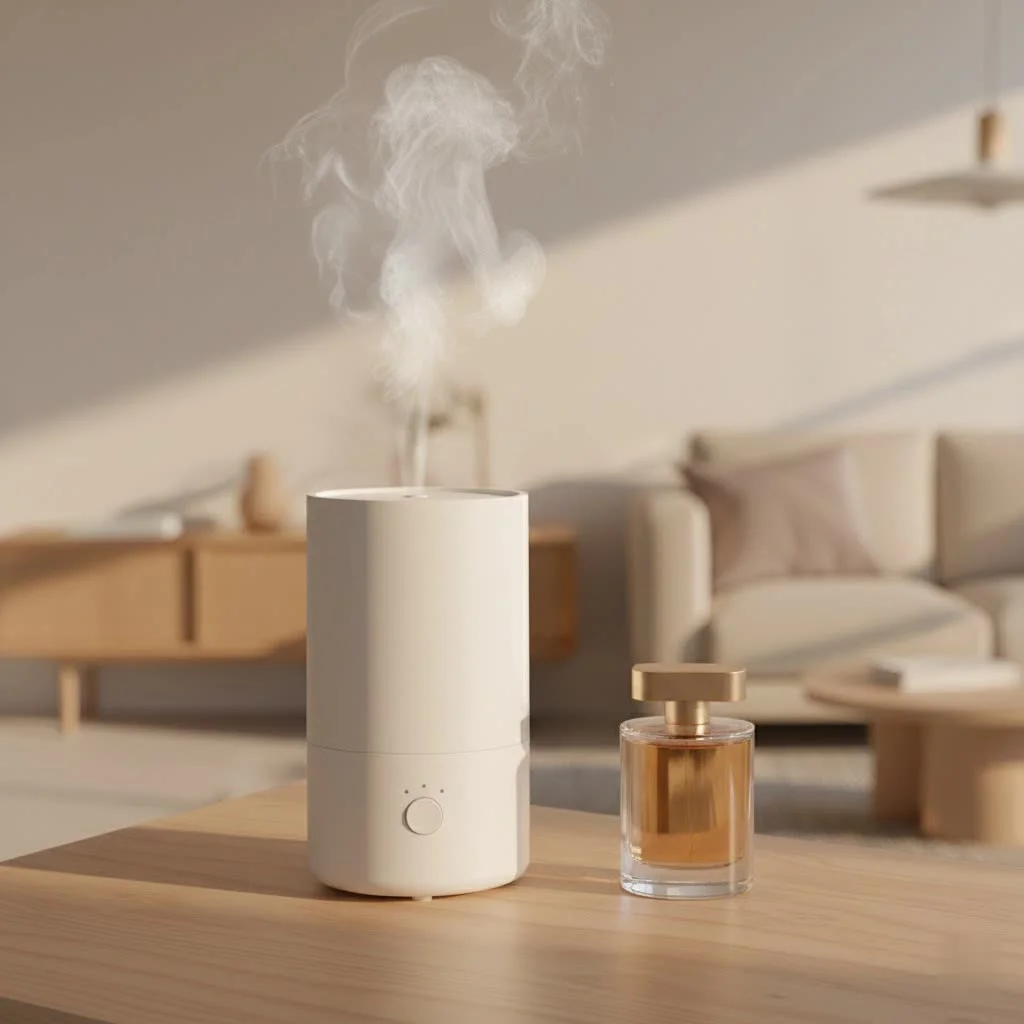
How Does a Humidifier Actually Help with a Cough?
At its core, a humidifier works by adding moisture to the air, and this simple act has a profound impact on your respiratory system. Think of it like this: when the air is dry, the delicate mucous membranes lining your nasal passages, throat, and even your lungs can become parched and irritated. This dryness causes mucus to thicken, making it incredibly difficult to expel, which often leads to that stubborn, unproductive cough.
By introducing moisture, a humidifier helps thin out this thick, sticky mucus, making it much easier for your body to clear it, whether by coughing it up or blowing your nose. This increased moisture also soothes irritated tissues, reducing inflammation in your airways and making breathing more comfortable. For anyone battling a dry, hacking cough, this can feel like a breath of fresh air, literally. It’s especially beneficial for easing nighttime coughs, allowing for more restful sleep, which is crucial for recovery. Humidifiers can be particularly effective for coughs associated with colds, flu, and even bronchitis, and they can also alleviate the irritation from a persistent post-nasal drip.
Cool Mist vs. Warm Mist: Choosing the Right Humidifier for Your Cough
When it comes to humidifiers, you’ll generally encounter two main types: cool mist and warm mist. Both aim to add moisture to the air, but they go about it in slightly different ways, and each has its own considerations.
What are Cool Mist Humidifiers?
Cool mist humidifiers release a fine, room-temperature mist into the air. There are a few technologies used here:
- Ultrasonic humidifiers use high-frequency vibrations to produce a super-fine mist. They are typically very quiet, making them ideal for bedrooms.
- Evaporative humidifiers use a fan to blow air through a moistened wick filter, which evaporates water naturally. They are self-regulating, meaning they won’t over-humidify a room.
- Impeller humidifiers use a high-speed rotating disc to break water into fine droplets.
The biggest advantage of cool mist humidifiers, especially in households with children or pets, is safety. Since there’s no heating element, there’s no risk of burns from hot water or steam. They are a pediatrician-recommended choice for soothing children’s coughs and congestion.
What are Warm Mist Humidifiers?
|
Our Picks for the Best Humidifier in 2026
As an Amazon Associate I earn from qualifying purchases.
|
||
| Num | Product | Action |
|---|---|---|
| 1 | Diffuserlove Essential Oil Diffusers 200ML Remote Control Ultrasonic Mist Humidifiers BPA-Free Aromatherapy Diffuser with 7 Color Lights, Auto Shut-Off for Bedroom Office Kitchen |

|
| 2 | Cool Mist Humidifiers - Essential Oil Top Fill Humidifier Cool Ultrasonic Humidifier Quiet Air Diffuser for Large Room & Easy to Clean with Filter & Oil Diffuser Plant Bedroom Humidifier |
|
| 3 | DREO Humidifiers for Bedroom, Top-filled Smart Quiet Cool Mist Humidifier for Large Room, 50 Hours Runtime for Home, Indoor Plants, Oil Diffuser & Nightlight for Baby Nusery, 5L, with Alexa/Google |
|
| 4 | HealthSmart 500ML Essential Oil Diffuser for Large Rooms, Cool Mist Humidifier and Aromatherapy Diffuser, Adjustable Timer, Mist Mode and 7 LED Light Colors, White (Pack of 1) |
|
| 5 | DREO Humidifiers for Bedroom, Cool Mist Ultrasonic Humidifier with 26dB Quiet & RGB Lighting, Top Fill 3L Tank, Easy Clean, 30 Hr Runtime for Home, Baby, Plant, Nursery, Work with Google/Alexa |
|
| 6 | Breathe Essential Oil Blend 30 ml - Breath Sinus Relief with Menthol Oils - for Humidifiers, Diffusers, and Aromatherapy - Nexon Botanics |
|
| 7 | 13L/3.43Gal Humidifier Large Room, 800ft² Coverage, 100H Runtime, Auto Humidity Control, Top Fill, Humidifiers for Bedroom, 35dB Quiet, Sleep Mode, Aroma Diffuser, 24H Timer, Auto Shut-off Protection |
|
| 8 | LEVOIT - Humidifiers for Bedroom - Quiet (3L Water Tank) - Cool Mist/Top Fill/Essential Oil Diffuser/25Watt - Home/Large Room - 360° Nozzle - Rapid Ultrasonic Humidification for Baby Nursery/Plant |
|
| 9 | Zeova 9L/2.4Gal Smart Cool Mist Humidifier, Top Fill Quiet Humidifier Large Room, Covers 550ft², App & Remote Control, 60H Runtime, 7 Colors Light, 4 Mist Modes Humidifiers for Bedroom, Office, White |
|
| 10 | Delletir Cool Mist Humidifiers for Babies, Bedroom, Nursery, Home and Office - Super Quiet Ultrasonic Vaporizer, Large Top-Refill 3.5L, Essential Oil Diffuser, Auto Off, Easy Clean |
|
Warm mist humidifiers, often called steam vaporizers, work by heating water to create steam, which then cools slightly before being released into the air. Many people find the warm mist incredibly soothing, especially for a sore throat or a tight chest on a chilly night. The boiling process also naturally sterilizes the water, which can be an advantage in terms of cleanliness.
However, the key consideration with warm mist units is the burn risk. The hot water and steam can cause serious burns if the unit is knocked over or if someone gets too close to the steam output. This makes them less suitable for spaces where curious children or pets might be present.
Which is Better for Your Cough?
When it comes to the effectiveness of humidifying the air, both cool mist and warm mist humidifiers achieve the same goal. By the time the water vapor reaches your lower airways, its temperature difference is negligible. Therefore, the choice often comes down to safety and personal preference. For general cough relief, especially with dry, irritated airways, either type can be beneficial. However, for families, I, as a seasoned engineer at Lammn.com, almost always recommend a cool mist humidifier to eliminate any burn hazards.
Optimizing Your Indoor Environment: The Ideal Humidity Level
Using a humidifier isn’t just about adding moisture; it’s about adding the right amount of moisture. Finding the “sweet spot” for indoor humidity is crucial for both your health and the well-being of your home.
The Goldilocks Zone: 30-50% Relative Humidity
Medical and environmental health experts generally agree that the ideal indoor relative humidity level for respiratory health is between 30% and 50%. This range is just right for keeping your mucous membranes moist and comfortable without creating other problems.
- Risks of Too Low Humidity: When humidity drops below 30%, the air becomes excessively dry. This directly contributes to dry skin, chapped lips, nosebleeds, and, of course, irritated and dry respiratory passages. Mucus becomes thick and hard to clear, exacerbating coughs and making you more susceptible to infections.
- Risks of Too High Humidity: While adding moisture is good, too much of a good thing can quickly become problematic. When indoor humidity consistently rises above 50%, you’re inviting a host of unwelcome guests. High humidity creates an environment where dust mites, mold spores, and bacteria thrive. These allergens and microorganisms can be significant triggers for coughs, allergies, and even asthma, potentially making your cough worse instead of better. High humidity can also lead to condensation on windows and walls, causing structural damage to your home over time.
To accurately monitor your home’s humidity levels, investing in a simple, inexpensive device called a hygrometer is essential. Many modern humidifiers even come with a built-in humidistat that can automatically adjust output to maintain your desired humidity level, taking the guesswork out of the equation.
Humidifier Maintenance: Keeping Your Air Clean and Your Cough at Bay
As a humidifier engineer, I can’t stress this enough: proper maintenance isn’t just a recommendation, it’s a requirement for effective and safe use. A poorly maintained humidifier can do more harm than good, potentially dispersing bacteria, mold, or mineral dust into the very air you’re trying to improve.
Why Cleaning is Crucial
Standing water in a humidifier tank, especially at room temperature, is a prime breeding ground for bacteria and mold. If these contaminants grow unchecked, your humidifier can become a mist dispenser for harmful microbes, irritating your airways and potentially worsening your cough or even leading to new respiratory issues. Mineral deposits from tap water can also accumulate and be released as a fine white dust, which can irritate sensitive lungs.
Daily Cleaning Tips: A Quick Refresh
To keep your humidifier running optimally and safely:
- Empty and Rinse Daily: Each day, empty any leftover water from the tank and basin. Don’t just top it off.
- Wipe Down Surfaces: Wipe the tank and basin dry with a clean cloth or paper towel. This prevents biofilm from forming.
- Refill with Fresh Water: Always refill with fresh water before each use.
Weekly Deep Cleaning: Battling Buildup
Once a week, give your humidifier a more thorough cleaning:
- De-scaling: To remove mineral deposits, fill the water tank with white vinegar (undiluted) and let it sit for at least 30 minutes, or longer for heavy buildup. You can also soak any small, removable parts in vinegar.
- Disinfection: After de-scaling, empty the vinegar and rinse thoroughly. Then, fill the water tank with a 1:1 mixture of water and 3% hydrogen peroxide (or follow manufacturer’s instructions for bleach solution, typically 1 teaspoon of bleach per gallon of water). Run the humidifier outdoors for a short period (around 15-20 minutes) to clean internal components, or simply let the solution sit in the tank and basin for 30 minutes.
- Rinse, Rinse, Rinse: Crucially, rinse all components thoroughly with fresh water until no vinegar or bleach smell remains. Residual cleaning agents can be irritating when inhaled.
The Water You Use Matters
Always use distilled or demineralized water in your humidifier. Tap water contains minerals that can lead to white dust (which can irritate lungs) and foster bacterial growth. Using purified water significantly reduces these risks and extends the life of your unit.
Don’t Forget the Filters!
If your humidifier uses a filter, remember to change it regularly according to the manufacturer’s recommendations. Clogged or dirty filters can reduce efficiency and become a breeding ground for contaminants.
When a Humidifier Might Not Be the Answer (and When to See a Doctor)
While a humidifier for cough relief can be incredibly effective, it’s not a universal cure-all, and improper use can sometimes worsen symptoms. It’s crucial to understand when to use caution or seek professional medical advice.
When a Humidifier Can Worsen a Cough
- Over-Humidification: As discussed, if humidity levels consistently exceed 50%, you risk fostering mold and dust mites, which are common allergens and can intensify a cough. Heavy, damp air can also make breathing more difficult for some individuals.
- Contaminated Unit: If your humidifier isn’t cleaned regularly, it can become a breeding ground for bacteria and mold. When these are dispersed into the air, they can trigger allergic reactions, infections, and exacerbate respiratory problems, leading to a worse cough.
- Pre-existing Conditions: For individuals with certain conditions like asthma or severe allergies, a humidifier needs to be used with extreme caution. High humidity can sometimes trigger asthma attacks or worsen allergy symptoms by increasing airborne allergens. If you’re immunocompromised, always consult a doctor before using a humidifier for health reasons.
- Cough Not Caused by Dryness: If your cough is caused by a bacterial infection, a virus (like the flu, beyond initial symptomatic relief), acid reflux, or another underlying medical condition, adding moisture alone won’t address the root cause and could potentially delay proper treatment.
When to Consult a Healthcare Professional
A humidifier is a tool for symptomatic relief, not a replacement for medical care. You should always consult with a doctor if:
- Your cough persists for more than a week or two.
- Your cough is accompanied by fever, chills, body aches, or shortness of breath.
- You are coughing up blood or thick, discolored mucus.
- Your cough worsens after using a humidifier.
- You or your child has croup, as specialized advice on humidifier use may be needed.
- You have a chronic respiratory condition like asthma or COPD.
Expert Insight: Maximizing Humidifier Benefits
“When my own family struggles with a cough, especially during those dry winter months, the humidifier is the first line of defense,” shares Dr. Alex Chen, a Senior Humidification Systems Engineer at Lammn.com. “But it’s not just about turning it on; it’s about smart usage.”
To truly get the most out of your humidifier for cough relief, consider these practical tips:
- Strategic Placement: Place your humidifier in the room where you spend the most time, ideally your bedroom, about 2 to 4 feet off the ground on a stable surface. Avoid placing it directly next to your bed or where moisture might accumulate on furniture or electronics.
- Timed Operation: You don’t necessarily need to run it 24/7. Often, running the humidifier during sleeping hours or when symptoms are most bothersome is sufficient. Use a hygrometer to ensure you maintain that 30-50% humidity sweet spot, and turn off the unit if the room feels damp.
- Combine with Other Remedies: Humidifiers work best as part of a holistic approach. Stay well-hydrated, use saline nasal sprays, gargle with salt water, and get plenty of rest.
- Essential Oils (with Caution): Some humidifiers have a dedicated essential oil tray. If yours does, certain oils like eucalyptus or peppermint can provide additional soothing benefits, helping to open airways. However, never add essential oils directly into the water tank, as this can damage the unit and isn’t safe for inhalation if the humidifier isn’t designed for it. Always use high-quality, therapeutic-grade oils and consult with a healthcare provider, especially for children.
FAQs about Humidifiers for Cough Relief
1. Does a humidifier help with a dry cough?
Yes, absolutely! A humidifier adds moisture to dry air, which helps soothe irritated airways and moisturize dry mucous membranes in your throat and nasal passages, making a dry, hacking cough much more comfortable.
2. Can a humidifier make my cough worse?
Potentially, if not used correctly. Over-humidifying your home (above 50% relative humidity) can encourage mold and dust mite growth, which can trigger allergies and worsen coughs. Also, a dirty humidifier can disperse bacteria or mold, irritating your respiratory system.
3. How long should I run a humidifier for cough?
It depends on your home’s dryness and the severity of your cough. Many people find relief running it primarily at night while they sleep. Use a hygrometer to keep humidity levels between 30-50%. If the room feels damp, turn it off.
4. Is cool mist or warm mist better for a cough?
Both cool mist and warm mist humidifiers are effective at adding moisture to the air and can help with a cough. However, cool mist humidifiers are generally recommended, especially for children, due to the absence of burn risk from hot water or steam.
5. What kind of water should I use in my humidifier?
Always use distilled or demineralized water. Tap water contains minerals that can leave white dust around your room and encourage bacterial growth within the humidifier, which can irritate your lungs and potentially worsen your cough.
6. How often should I clean my humidifier when using it for a cough?
You should empty and rinse your humidifier daily, refilling it with fresh distilled water. A more thorough deep clean with white vinegar or a recommended disinfectant should be performed at least once a week to prevent mineral buildup, mold, and bacteria.
7. Can I use essential oils in my humidifier for a cough?
Only use essential oils if your humidifier has a dedicated essential oil tray or diffuser function. Never add essential oils directly into the water tank, as this can damage the unit and may not be safe for inhalation. Consult a doctor before using essential oils, especially for children.
Conclusion: Breathe Easier with a Well-Maintained Humidifier
Dealing with a cough, especially when it disrupts your sleep and daily life, is never pleasant. A humidifier for cough relief can be a powerful ally in your quest for comfort, offering a simple yet effective way to soothe irritated airways, thin stubborn mucus, and create a more hospitable indoor environment. From selecting the right type—cool mist often being the safest bet—to maintaining optimal humidity levels between 30% and 50%, and diligently cleaning your unit, every step you take contributes to breathing easier. Empower yourself with this knowledge, confidently choose and maintain your humidifier, and start experiencing the profound relief that well-managed humidity can bring. Your airways, and your sleep, will thank you.
Get our weekly buyer guide
Practical specs, not advice. Unsubscribe anytime.