Feeling that annoying stuffiness, the kind that makes you breathe through your mouth and disrupts your sleep? You’re not alone. A blocked nose, whether from a common cold, seasonal allergies, or just dry air, can be incredibly frustrating. As a seasoned humidification system engineer, I’ve seen firsthand how adding moisture to your indoor environment can be a game-changer. Let’s dive into how a humidifier can become your best friend when battling nasal congestion.
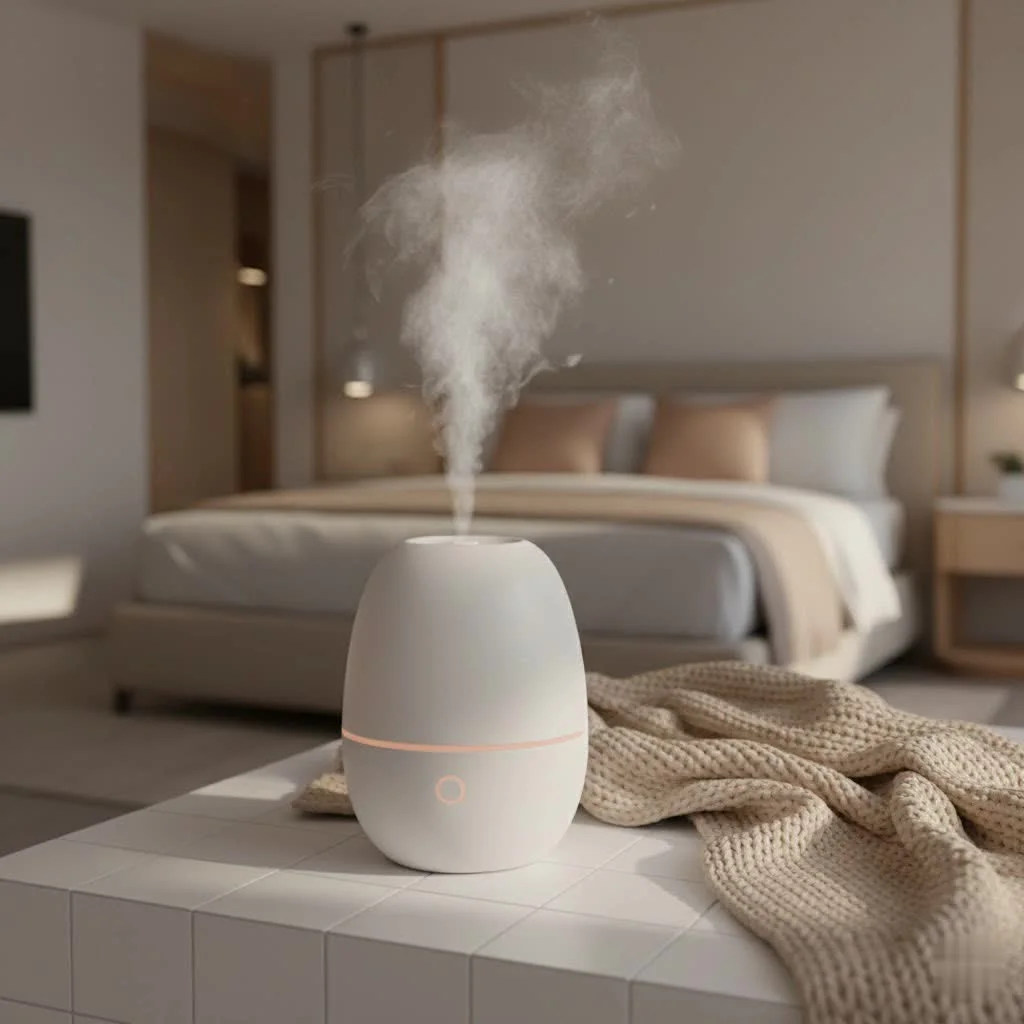
Dry air is often an overlooked culprit behind persistent nasal congestion. When the air lacks sufficient moisture, your nasal passages can dry out, leading to irritation and thicker mucus that’s harder to clear. This dry environment can exacerbate inflammation in your airways, making that stuffy feeling even worse. By introducing moisture into the air, a humidifier helps address these core issues, making breathing easier and more comfortable. It’s like giving your nasal passages a much-needed drink of water!
How a Humidifier Tackles Your Blocked Nose
So, how exactly does this clever appliance work its magic on a stuffy nose? It’s all about the moisture, and here’s the breakdown:
Preventing Nasal Dryness and Irritation
When your nasal passages are dry, they become more susceptible to irritation and inflammation. Imagine trying to clear a dry, sticky substance versus a well-lubricated one – the latter is much easier, right? Humidified air helps maintain the natural moisture balance in your nose and throat, preventing that uncomfortable dryness that often accompanies congestion. This means less irritation and a more comfortable feeling overall.
Loosening and Thinning Mucus
One of the primary ways a humidifier helps with a blocked nose is by thinning out thick, stubborn mucus. When the air is moist, the mucus in your nasal passages becomes less viscous and easier to drain. This liquefaction makes it simpler for your body to expel the mucus, effectively clearing your airways. This benefit is particularly noticeable during colder months when indoor heating can significantly dry out the air, leading to thicker secretions.
Soothing Inflamed Airways
Congestion often involves swollen and inflamed tissues within your nasal passages. The gentle, moist air from a humidifier can have a soothing effect on these irritated membranes, helping to reduce inflammation. This reduction in swelling can open up your nasal passages, making it significantly easier to breathe. It’s a subtle but powerful way to bring comfort when you’re feeling miserable.
Enhancing Sleep Quality
Anyone who’s suffered from a blocked nose knows how it can wreck a good night’s sleep. Difficulty breathing can lead to restless nights and daytime fatigue. By easing congestion and improving airflow, a humidifier can dramatically enhance your sleep quality. Breathing easier means falling asleep faster and staying asleep longer, allowing your body to rest and recover more effectively. Placing a humidifier in your bedroom is a simple yet effective strategy for more restful nights.
Choosing the Right Humidifier for Your Needs
The market offers a variety of humidifiers, each with its own characteristics. Understanding the differences between them can help you make an informed choice for your blocked nose relief.
Cool Mist vs. Warm Mist: The Great Debate
|
Our Picks for the Best Humidifier in 2026
As an Amazon Associate I earn from qualifying purchases.
|
||
| Num | Product | Action |
|---|---|---|
| 1 | Breathe Essential Oil Blend 30 ml - Breath Sinus Relief with Menthol Oils - for Humidifiers, Diffusers, and Aromatherapy - Nexon Botanics |

|
| 2 | Diffuserlove Essential Oil Diffusers 200ML Remote Control Ultrasonic Mist Humidifiers BPA-Free Aromatherapy Diffuser with 7 Color Lights, Auto Shut-Off for Bedroom Office Kitchen |
|
| 3 | LEVOIT - Humidifiers for Bedroom - Quiet (3L Water Tank) - Cool Mist/Top Fill/Essential Oil Diffuser/25Watt - Home/Large Room - 360° Nozzle - Rapid Ultrasonic Humidification for Baby Nursery/Plant |
|
| 4 | Delletir Cool Mist Humidifiers for Babies, Bedroom, Nursery, Home and Office - Super Quiet Ultrasonic Vaporizer, Large Top-Refill 3.5L, Essential Oil Diffuser, Auto Off, Easy Clean |
|
| 5 | Zeova 9L/2.4Gal Smart Cool Mist Humidifier, Top Fill Quiet Humidifier Large Room, Covers 550ft², App & Remote Control, 60H Runtime, 7 Colors Light, 4 Mist Modes Humidifiers for Bedroom, Office, White |
|
| 6 | 13L/3.43Gal Humidifier Large Room, 800ft² Coverage, 100H Runtime, Auto Humidity Control, Top Fill, Humidifiers for Bedroom, 35dB Quiet, Sleep Mode, Aroma Diffuser, 24H Timer, Auto Shut-off Protection |
|
| 7 | HealthSmart 500ML Essential Oil Diffuser for Large Rooms, Cool Mist Humidifier and Aromatherapy Diffuser, Adjustable Timer, Mist Mode and 7 LED Light Colors, White (Pack of 1) |
|
| 8 | DREO Humidifiers for Bedroom, Top-filled Smart Quiet Cool Mist Humidifier for Large Room, 50 Hours Runtime for Home, Indoor Plants, Oil Diffuser & Nightlight for Baby Nusery, 5L, with Alexa/Google |
|
| 9 | DREO Humidifiers for Bedroom, Cool Mist Ultrasonic Humidifier with 26dB Quiet & RGB Lighting, Top Fill 3L Tank, Easy Clean, 30 Hr Runtime for Home, Baby, Plant, Nursery, Work with Google/Alexa |
|
| 10 | Cool Mist Humidifiers - Essential Oil Top Fill Humidifier Cool Ultrasonic Humidifier Quiet Air Diffuser for Large Room & Easy to Clean with Filter & Oil Diffuser Plant Bedroom Humidifier |
|
When it comes to humidifiers, the choice between cool mist and warm mist is often the first decision. Both types add moisture to the air, but they do it in distinct ways:
- Cool Mist Humidifiers: These models release room-temperature mist. They are generally considered safer, especially in households with children or pets, as there’s no hot water involved, eliminating any burn risk. Cool mist can be particularly soothing for allergy symptoms and dry sinuses. They often use either ultrasonic vibrations or an evaporative fan to create the mist.
- Warm Mist Humidifiers: These humidifiers boil water to produce a heated, sterile steam. Some find the warm mist more comforting for cold and flu symptoms. The boiling process can also help reduce bacteria and germs in the mist. However, the presence of hot water poses a burn hazard, so caution is advised, especially around children.
For general use, and especially in homes with young children, many medical professionals, including those at MedlinePlus, recommend cool-mist humidifiers due to safety concerns.
Ultrasonic vs. Evaporative: Understanding the Technology
Within the cool-mist category, you’ll encounter two main technologies:
- Ultrasonic Humidifiers: These use high-frequency sound vibrations to create a super-fine mist. They are known for being very quiet, making them ideal for bedrooms. However, they typically require distilled water to prevent the release of white mineral dust into the air, which can be irritating.
- Evaporative Humidifiers: These draw water from a reservoir through a wick filter. A fan then blows air over the moistened filter, causing the water to evaporate into the air. They can often use tap water (though filters need regular replacement) and are generally less likely to over-humidify a room. They tend to be a bit louder due to the fan.
For a blocked nose, either type can be effective, but consider your priorities for noise, maintenance, and water type.
The Hybrid Advantage
Some advanced humidifiers, like certain models from Ionmax, offer both cool and warm mist settings. This versatility allows you to choose the mist type that feels most comfortable or beneficial for your specific symptoms, whether it’s the soothing warmth for a winter cold or the refreshing cool mist during allergy season.
Best Practices for Using Your Humidifier
Owning a humidifier is only half the battle; proper use and maintenance are crucial to maximizing its benefits and ensuring it doesn’t inadvertently cause other health issues.
- Maintain Optimal Humidity Levels: The sweet spot for indoor humidity is typically between 40% and 60%. Going below this range can lead to dry air symptoms, while exceeding it can encourage the growth of mold, mildew, and dust mites, which can worsen respiratory problems and allergies. Many humidifiers come with a built-in humidistat to help you monitor and control the level.
- Use Clean, Filtered Water: To prevent mineral buildup (the dreaded “white dust” from tap water) and the dispersal of bacteria, use distilled or demineralized water whenever possible. If using tap water, ensure regular cleaning to manage mineral deposits.
- Regular Cleaning is Non-Negotiable: This is perhaps the most critical tip. Humidifiers that aren’t cleaned daily can become breeding grounds for bacteria and mold, which are then released into the air you breathe. This can worsen congestion, trigger allergies, or even lead to infections. Drain the tank daily, rinse all surfaces, and clean the unit thoroughly with a vinegar and water solution at least once a week, following the manufacturer’s instructions.
- Strategic Placement: For a blocked nose, placing the humidifier in your bedroom, a few feet away from your bed, is most effective. This ensures you’re breathing in the moist air for extended periods, especially overnight, when congestion often feels worst.
- Don’t Overdo It: Avoid running your humidifier for excessively long periods without monitoring humidity levels. Too much moisture can create an environment ripe for mold growth.
“Think of your humidifier as another vital appliance in your home’s air quality arsenal,” advises Dr. Eleanor Vance, a respiratory health specialist. “It’s a powerful tool, but like any tool, it requires understanding and diligent care to provide consistent, healthy benefits without creating new problems.”
Beyond the Humidifier: Holistic Congestion Relief
While a humidifier is a fantastic aid for a blocked nose, it works best as part of a comprehensive approach to relief. Here are some other natural remedies you can combine with your humidifier use:
- Stay Hydrated: Drinking plenty of water, herbal tea, or clear broths helps thin mucus throughout your body, making it easier to clear.
- Saline Nasal Sprays: These non-medicated sprays can moisturize dry nasal passages and help flush out irritants and excess mucus.
- Steam Inhalation: A warm shower or leaning over a bowl of hot water with a towel over your head can provide immediate, localized steam relief, further loosening mucus.
- Elevate Your Head: Sleeping with your head slightly elevated can help with sinus drainage and reduce nighttime congestion.
- Avoid Irritants: Steer clear of smoke, strong fragrances, and allergens that can irritate your nasal passages and worsen congestion.
FAQ: Your Humidifier Questions Answered
Q1: Can a humidifier make a blocked nose worse?
A: Yes, if not used correctly. If humidity levels are too high (above 60%), it can encourage mold and dust mite growth, which are common allergens that can worsen congestion. Dirty humidifiers can also disperse bacteria or mold into the air. Always keep humidity between 40-60% and clean your unit regularly.
Q2: Is it safe to use essential oils in a humidifier for a blocked nose?
A: Some ultrasonic humidifiers are designed to be used with essential oils, often called aroma diffusers. However, always check your humidifier’s manual first, as essential oils can damage plastic components in models not designed for them. Use only pure, high-quality essential oils and be mindful if anyone in the household has sensitivities or allergies to certain oils.
Q3: How often should I clean my humidifier?
A: You should drain and rinse the humidifier tank daily. A more thorough cleaning with a vinegar and water solution should be done at least once a week to prevent the buildup of bacteria, mold, and mineral deposits. Always follow the manufacturer’s specific cleaning instructions.
Q4: What type of water should I use in my humidifier?
A: Distilled or demineralized water is highly recommended. Tap water contains minerals that can create a fine white dust when dispersed into the air (especially with ultrasonic models) and lead to mineral buildup within the unit, reducing its efficiency and potentially causing health issues.
Q5: Can I use a humidifier all year round for a blocked nose?
A: Absolutely! While humidifiers are often associated with dry winter air, they can be beneficial year-round if you experience congestion due to allergies or simply live in a consistently dry climate. Just remember to monitor humidity levels to avoid over-humidification.
Conclusion
Dealing with a blocked nose is never pleasant, but a humidifier can be a powerful ally in your quest for clearer breathing and better health. By understanding how these devices work, choosing the right type for your home, and adhering to strict cleaning and maintenance practices, you can harness the power of moist air to thin mucus, soothe irritated airways, and significantly improve your comfort. As an expert from Lammn.com, I encourage you to integrate a humidifier safely into your home wellness routine. It’s a simple step that can lead to profound relief, helping you breathe easy, sleep soundly, and feel more like yourself again. Take control of your indoor air quality and discover the difference a well-maintained humidifier can make for your blocked nose!
Get our weekly buyer guide
Practical specs, not advice. Unsubscribe anytime.