Choosing the best humidifier for a baby involves selecting a cool mist model that operates quietly, is easy to clean, and includes safety features like automatic shut-off. Pediatricians and experts recommend cool mist humidifiers over warm mist options to eliminate burn risks, ensuring a safe and comfortable environment for infants. The ideal indoor humidity level for a baby’s room is between 30% and 50%, which helps soothe irritated nasal passages, thin mucus, and alleviate dry skin.
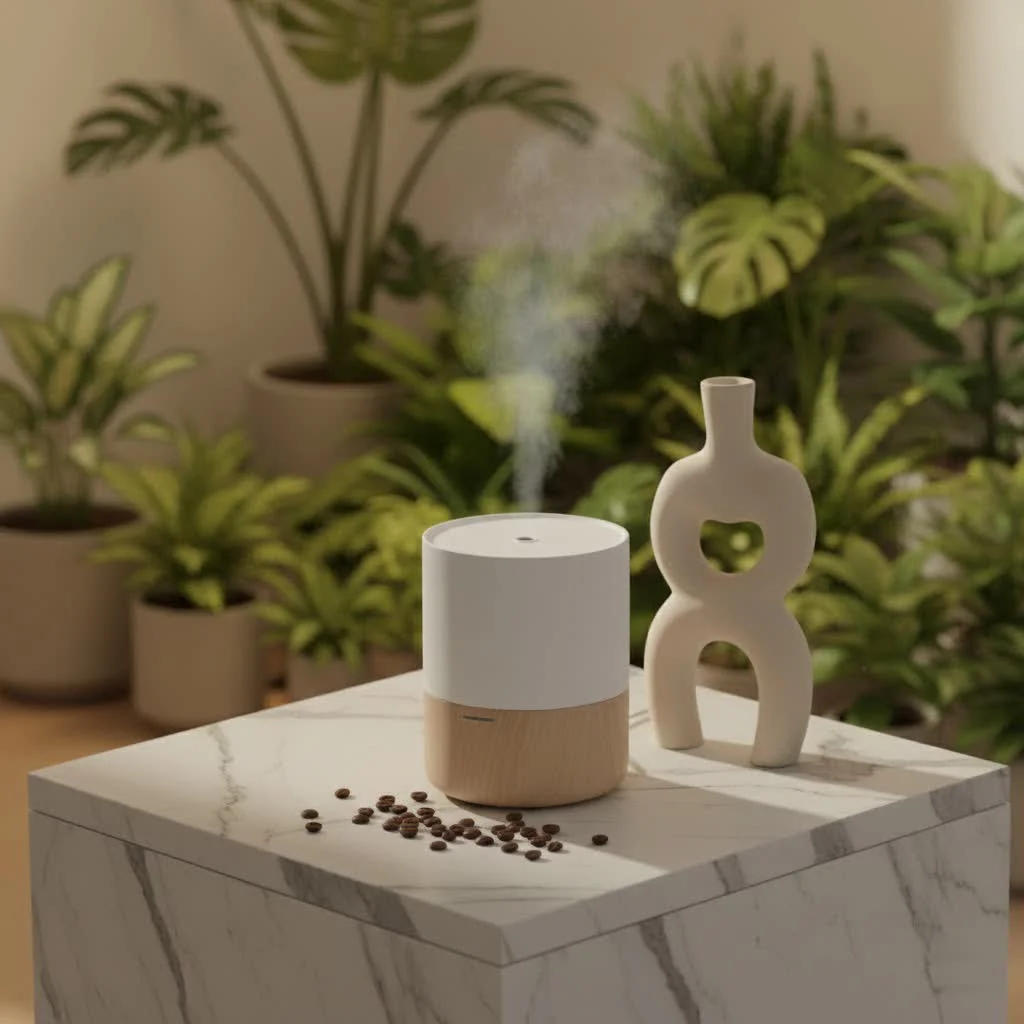
Why Your Baby’s Nursery Needs the Right Humidifier
Ever notice how a stuffy nose or a persistent cough seems to worsen in dry air? It’s not your imagination. Our homes, particularly during colder months with central heating or even during hot, arid summers, can become remarkably dry. This lack of moisture can be especially harsh on a baby’s delicate respiratory system and skin. For browse all home air articles on this site.
So, what are the benefits of a humidifier for babies? Simply put, a humidifier introduces much-needed moisture back into the air, which can be a major upgrade for infants. This moist air helps to soothe irritated nasal passages, thin out mucus, and ease congestion, making it easier for your baby to breathe and, crucially, to sleep. If your little one is struggling with congestion, a runny nose, or a sore throat, a humidifier can provide significant relief. It’s like a gentle, invisible hug for their airways, helping them fight off discomfort caused by dry air. Beyond respiratory benefits, humidifiers can also alleviate dry, flaky skin and chapped lips, common concerns for babies in arid environments.
Cool Mist vs. Warm Mist: Making the Safest Choice for Your Little One
This is one of the most frequent questions I encounter, and for good reason: safety is paramount. When considering which type of humidifier is best for babies, the unanimous recommendation from pediatricians and experts alike is cool mist.
Let me explain why. Warm mist humidifiers operate by heating water to create steam, which is then released into the air. While effective, this steam poses a significant burn risk. Imagine a curious toddler reaching for the warm mist, or an accidental tip-over during the night—the potential for injury is simply too high for a nursery environment.
Cool mist humidifiers, on the other hand, produce moisture without heat, eliminating this burn hazard entirely. There are generally two main types of cool mist humidifiers:
- Ultrasonic Humidifiers: These use high-frequency vibrations to create a fine, cool mist. They are typically very quiet and don’t require filters, though they can sometimes produce “white dust” if you use hard tap water, which is mineral-rich.
- Evaporative Humidifiers: These use a fan to blow air through a wet wick filter. The water evaporates naturally, humidifying the air. They are often self-regulating, meaning they won’t over-humidify a room, but they do require filter replacement and can be a bit noisier due to the fan.
Both cool mist types are equally effective at adding moisture to the air, so prioritizing a cool mist model is a clear choice for your baby’s safety and your peace of mind.
Essential Features to Look for in the Best Humidifier for Baby
Finding the absolute best humidifier for baby means looking beyond just “cool mist.” It means considering a blend of practical features that support both your baby’s health and your daily routine as a parent.
Quiet Operation: The Unsung Hero of Nursery Sleep
|
Our Picks for the Best Humidifier in 2026
As an Amazon Associate I earn from qualifying purchases.
|
||
| Num | Product | Action |
|---|---|---|
| 1 | Delletir Cool Mist Humidifiers for Babies, Bedroom, Nursery, Home and Office - Super Quiet Ultrasonic Vaporizer, Large Top-Refill 3.5L, Essential Oil Diffuser, Auto Off, Easy Clean |

|
| 2 | Zeova 9L/2.4Gal Smart Cool Mist Humidifier, Top Fill Quiet Humidifier Large Room, Covers 550ft², App & Remote Control, 60H Runtime, 7 Colors Light, 4 Mist Modes Humidifiers for Bedroom, Office, White |
|
| 3 | 13L/3.43Gal Humidifier Large Room, 800ft² Coverage, 100H Runtime, Auto Humidity Control, Top Fill, Humidifiers for Bedroom, 35dB Quiet, Sleep Mode, Aroma Diffuser, 24H Timer, Auto Shut-off Protection |
|
| 4 | Cool Mist Humidifiers - Essential Oil Top Fill Humidifier Cool Ultrasonic Humidifier Quiet Air Diffuser for Large Room & Easy to Clean with Filter & Oil Diffuser Plant Bedroom Humidifier |
|
| 5 | LEVOIT - Humidifiers for Bedroom - Quiet (3L Water Tank) - Cool Mist/Top Fill/Essential Oil Diffuser/25Watt - Home/Large Room - 360° Nozzle - Rapid Ultrasonic Humidification for Baby Nursery/Plant |
|
| 6 | DREO Humidifiers for Bedroom, Cool Mist Ultrasonic Humidifier with 26dB Quiet & RGB Lighting, Top Fill 3L Tank, Easy Clean, 30 Hr Runtime for Home, Baby, Plant, Nursery, Work with Google/Alexa |
|
| 7 | Breathe Essential Oil Blend 30 ml - Breath Sinus Relief with Menthol Oils - for Humidifiers, Diffusers, and Aromatherapy - Nexon Botanics |
|
| 8 | Diffuserlove Essential Oil Diffusers 200ML Remote Control Ultrasonic Mist Humidifiers BPA-Free Aromatherapy Diffuser with 7 Color Lights, Auto Shut-Off for Bedroom Office Kitchen |
|
| 9 | DREO Humidifiers for Bedroom, Top-filled Smart Quiet Cool Mist Humidifier for Large Room, 50 Hours Runtime for Home, Indoor Plants, Oil Diffuser & Nightlight for Baby Nusery, 5L, with Alexa/Google |
|
| 10 | HealthSmart 500ML Essential Oil Diffuser for Large Rooms, Cool Mist Humidifier and Aromatherapy Diffuser, Adjustable Timer, Mist Mode and 7 LED Light Colors, White (Pack of 1) |
|
Is a quiet humidifier crucial for baby sleep? Absolutely. Newborns and infants are sensitive sleepers. A noisy humidifier can easily disrupt their delicate sleep cycles, turning a quiet night into a restless one for both of you. Look for models that operate below 50 decibels (dB), with many top performers boasting levels under 35 dB. These whisper-quiet units often blend into the background, much like a gentle white noise machine, which can actually help soothe your baby to sleep rather than disturb it.
Ease of Cleaning: Your Baby’s Health Depends On It
Here’s a critical point that cannot be overstated: a dirty humidifier can be worse than no humidifier at all. The constant presence of water creates an ideal breeding ground for mold and bacteria. If these contaminants are then dispersed into the air your baby breathes, they can actually worsen respiratory symptoms or even cause new health issues.
When shopping, prioritize models that are designed for easy cleaning. Look for features like:
- Wide tank openings: Can you fit your hand inside to scrub every nook and cranny?
- Minimal parts: Fewer components mean less to disassemble and clean.
- Dishwasher-safe parts: Some premium models offer this convenience.
- Filter-free designs: While filters can trap minerals, they also need regular cleaning or replacement. Filter-free models reduce ongoing costs and simplify maintenance.
Daily rinsing and weekly deep cleaning are non-negotiable for any humidifier, but an easy-to-clean design will make this vital task much less of a chore. As our expert, Dr. Elara Vance, a specialist in environmental health systems, often reminds parents, “A clean humidifier is a healthy humidifier. Don’t underestimate the impact of regular, thorough cleaning on your indoor air quality and your child’s well-being.”
Safety First: Beyond Just Cool Mist
While cool mist eliminates the burn risk, other safety features are equally important:
- Automatic Shut-Off: This feature turns the unit off when the water tank is empty, preventing the motor from burning out and offering peace of mind, especially if you plan to run it overnight.
- Child-Proof Controls: If your baby is becoming mobile, look for controls that are difficult for tiny hands to tamper with.
- Cord Management: Long, dangling cords can be a tripping hazard or, worse, a strangulation risk. Position the humidifier safely away from the crib and ensure cords are secured and out of reach. Some portable models even offer cordless operation for enhanced safety.
Appropriate Room Coverage: Size Matters
A small humidifier in a large nursery won’t do much good, and an oversized one in a tiny room could lead to excessive humidity. Check the manufacturer’s specifications for the recommended room size (often in square feet). It’s an easy way to ensure your chosen humidifier will effectively humidify your baby’s space. However, if you opt for a larger unit, be diligent about monitoring the humidity levels to prevent over-humidification, which can foster mold and mildew.
Humidity Control: The Sweet Spot
The ideal indoor humidity level for comfort and health generally falls between 30% and 50%. Many humidifiers come with a built-in humidistat that allows you to set a target humidity level, and the unit will automatically adjust its output or shut off once that level is reached. This helps prevent the room from becoming too damp, which can foster mold and mildew.
Additional Features: What Else to Consider
- Night Lights: Some humidifiers integrate a soft night light, which can be a convenient two-in-one feature for late-night feedings and diaper changes.
- Smart Controls: Wi-Fi enabled humidifiers allow you to control settings via a smartphone app, adjust schedules, or even integrate with smart home systems. This can be incredibly helpful for busy or sleep-deprived parents.
- Filter-Free vs. Filtered: As mentioned, filter-free ultrasonic models can produce white dust, while evaporative models use filters that need regular cleaning and replacement. Consider your local water quality and your preference for maintenance.
A crucial note on “add-ins”: While some humidifiers are marketed with essential oil diffusers or compartments for medicinal vapors, it’s generally recommended to avoid using essential oils or other additives for infants. Stick to using only distilled or filtered water to ensure the purest, safest mist for your baby’s developing lungs.
My Top Picks: A Look at the Best Humidifiers for Baby
While I can’t name specific brands or models as “the best” for every single family, I can highlight the characteristics that define excellence in humidifiers for baby use, drawing from models that consistently receive high praise in tests and reviews. The best humidifier for baby is ultimately the one that meets your specific needs while prioritizing safety and health.
- For the Small Nursery & Budget-Conscious: Look for compact, often animal-shaped ultrasonic cool mist humidifiers that are incredibly user-friendly with simple dial or button controls. These are typically filter-free, making daily use straightforward. They are perfect for smaller rooms (up to 250 sq ft) and usually come with essential safety features like automatic shut-off. Their quiet operation, often akin to soft white noise, makes them ideal companions for sleepy infants.
- For Larger Spaces & Smart Homes: If your nursery is spacious, or if you prefer the convenience of modern technology, consider smart humidifiers with larger water tanks and wider coverage (up to 300-600 sq ft). These often feature app control, allowing you to monitor and adjust humidity levels remotely. Many offer multiple mist settings and integrated humidistats, ensuring optimal moisture without over-humidifying. Despite their advanced features, the top performers maintain a whisper-quiet operation, usually below 35 dB, and are designed for ease of cleaning with accessible parts.
- For Ultimate Cleanliness & Durability: For parents who prioritize meticulous hygiene and a long-term investment, certain high-end cool mist ultrasonic models stand out. These units often feature robust construction, some even boasting stainless steel tanks or dishwasher-safe components, making sterilization simple. While they might come with a higher price tag, their ease of deep cleaning and exceptional durability—sometimes backed by extended or even lifetime warranties—offer unparalleled peace of mind regarding the purity of the mist your baby breathes. These models typically excel in quietness and effective humidification, too.
regardless of the features, the core function remains: a consistent, safe, and clean cool mist to help your baby breathe easier and sleep sounder.
Keeping it Clean: Crucial Humidifier Maintenance for Your Baby’s Health
This section is vital, so let’s get into the nitty-gritty. The effectiveness and safety of your best humidifier for baby hinge almost entirely on how well you maintain it. Neglecting cleaning can turn a beneficial device into a health hazard.
Here’s a simple, effective cleaning routine:
-
Daily Rinse:
- Unplug the humidifier.
- Empty any leftover water from the tank and base. Do not reuse old water.
- Rinse the water tank and base thoroughly with fresh water.
- Wipe down any accessible surfaces.
- Refill the tank with fresh, distilled water if possible. Distilled water prevents mineral buildup (“white dust”) and reduces the growth of bacteria and mold compared to tap water.
-
Weekly Deep Clean:
- Disassemble: Unplug the unit and take apart all removable components (tank, base, mist cap, etc.).
- Vinegar Soak: Fill the water tank with 1-2 cups of undiluted white vinegar and let it sit for at least 20-30 minutes. For the base, pour white vinegar into the water reservoir and let it sit for the same duration. For smaller parts, soak them in a bowl of vinegar. Vinegar is excellent for breaking down mineral buildup and killing bacteria/mold.
- Scrub: Use a soft brush (many humidifiers come with a small cleaning brush) or a cloth to scrub away any mineral deposits or slimy film from all surfaces. Pay close attention to crevices and the mist outlet.
- Rinse Thoroughly: Rinse all parts multiple times with fresh water until the vinegar smell is completely gone. Any residual vinegar can be dispersed into the air.
- Dry: Allow all components to air dry completely before reassembling the unit. This prevents immediate re-growth of mold.
-
Filter Care (if applicable): If your humidifier uses a filter, follow the manufacturer’s instructions for cleaning or replacement. Filters can trap impurities but also become breeding grounds for mold if not properly maintained.
Consequences of Poor Maintenance: Ignoring these steps can lead to:
- Mold and Bacteria Growth: These can be dispersed into the air, potentially causing respiratory issues, allergies, or worsening existing conditions for your baby.
- “White Dust” Accumulation: Minerals from tap water can be released as fine white dust, settling on furniture and potentially irritating lungs.
- Reduced Efficiency: Clogged components can make the humidifier less effective at adding moisture to the air.
- Shorter Lifespan: Mineral buildup can damage the unit’s internal mechanisms.
A well-maintained humidifier provides clean, beneficial mist, ensuring that the air your baby breathes is truly supportive of their health and comfort.
Frequently Asked Questions About Humidifiers for Babies (FAQ)
Here are some common questions parents often ask about using humidifiers for their little ones:
Is it okay to leave a humidifier on all night for my baby?
Yes, it is generally safe to leave a cool mist humidifier on all night for your baby, provided it is properly maintained and placed at a safe distance from the crib. Ensure the tank is full, the unit is plugged in securely, and consider a model with an automatic shut-off feature for peace of mind if the water runs low.
Do pediatricians recommend humidifiers?
Many pediatricians do recommend cool mist humidifiers, especially when babies are dealing with nasal congestion, dry coughs, or dry skin conditions, as dry air can exacerbate these issues. However, it’s always best to consult your healthcare provider or pediatrician before introducing any new device or treatment in your infant’s room to ensure it’s appropriate for their specific needs.
Can I use essential oils in my baby’s humidifier?
No, it is generally recommended to avoid using essential oils or other scented additives in a humidifier for infants. While some humidifiers have diffuser features, essential oils can be too strong for a baby’s developing respiratory system and may cause irritation or allergic reactions. Stick to clean, distilled or filtered water.
Where is the best place to put a humidifier in a baby’s room?
Place the humidifier on a flat, stable surface at least 4-6 feet away from the crib or bassinet. Ensure it’s not directly under a vent or near electronics that could be damaged by moisture. It should be out of your baby’s reach and the mist should not be directed straight at the baby or other furniture, to prevent dampness and potential mold growth on surfaces.
How often should I clean my baby’s humidifier?
You should empty and rinse the water tank and base daily with fresh water. A more thorough deep clean with white vinegar and scrubbing should be performed at least once a week to prevent the buildup of mold, bacteria, and mineral deposits. Consistency in cleaning is key to ensuring the air your baby breathes is healthy.
Breathe Easier, Sleep Sounder
Choosing the best humidifier for baby is a thoughtful decision that extends beyond just a purchase—it’s an investment in your child’s comfort and well-being. By opting for a cool mist model, prioritizing features like quiet operation and ease of cleaning, and committing to a diligent maintenance routine, you create an environment where your baby can truly thrive.
a well-chosen and well-cared-for humidifier can be an invaluable tool in managing dry air discomforts, easing congestion, and promoting restful sleep. So go ahead, make an informed choice, set it up safely, keep it sparkling clean, and watch your little one breathe easier and sleep sounder. Share your experiences and tips with our community at Lammn—we’re all in this together, building healthier homes one humidified breath at a time.
Frequently Asked Questions
Is it safe to leave a humidifier on all night for my baby?
Yes, it is generally safe to leave a cool mist humidifier on all night for your baby, provided it is properly maintained and placed at a safe distance from the crib. Ensure the tank is full, the unit is plugged in securely, and consider a model with an automatic shut-off feature for peace of mind if the water runs low.
Do pediatricians recommend using humidifiers for infants?
Many pediatricians do recommend cool mist humidifiers, especially when babies are dealing with nasal congestion, dry coughs, or dry skin conditions, as dry air can exacerbate these issues. However, it's always best to consult your healthcare provider or pediatrician before introducing any new device or treatment in your infant's room to ensure it's appropriate for their specific needs.
Can essential oils be used in a baby's humidifier?
No, it is generally recommended to avoid using essential oils or other scented additives in a humidifier for infants. While some humidifiers have diffuser features, essential oils can be too strong for a baby's developing respiratory system and may cause irritation or allergic reactions. Stick to clean, distilled or filtered water.
What is the best placement for a humidifier in a baby's room?
Place the humidifier on a flat, stable surface at least 4-6 feet away from the crib or bassinet. Ensure it's not directly under a vent or near electronics that could be damaged by moisture. It should be out of your baby's reach and the mist should not be directed straight at the baby or other furniture, to prevent dampness and potential mold growth on surfaces.
How often should a baby's humidifier be cleaned?
You should empty and rinse the water tank and base daily with fresh water. A more thorough deep clean with white vinegar and scrubbing should be performed at least once a week to prevent the buildup of mold, bacteria, and mineral deposits. Consistency in cleaning is key to ensuring the air your baby breathes is healthy.
Clean Your Baby's Humidifier
Maintain your baby's humidifier with a simple daily rinse and weekly deep clean to ensure clean, healthy mist and prevent mold and bacteria growth.
Unplug the humidifier, empty any leftover water, and rinse the tank and base thoroughly with fresh water. Wipe down accessible surfaces and refill with fresh, distilled water to prevent mineral buildup and reduce bacterial growth.
Disassemble all removable components. Fill the water tank with 1-2 cups of undiluted white vinegar and let it sit for 20-30 minutes. Pour vinegar into the base reservoir and soak smaller parts in a bowl of vinegar for the same duration.
Use a soft brush or cloth to scrub away mineral deposits and slimy film from all surfaces, paying attention to crevices. Rinse all parts multiple times with fresh water until the vinegar smell is completely gone. Allow all components to air dry completely before reassembling to prevent mold re-growth.
If your humidifier uses a filter, follow the manufacturer's instructions for cleaning or replacement. Filters can trap impurities but also become breeding grounds for mold if not properly maintained, so regular attention is crucial.
Get our weekly buyer guide
Practical specs, not advice. Unsubscribe anytime.
As a new mom, I was overwhelmed with all the baby products out there. I appreciated the clear explanation about why pediatricians recommend cool mist over warm mist for safety. We chose a quiet model, and it’s practically silent, which is perfect for naptime. It’s made a noticeable difference in my baby’s breathing at night.
I got a cool mist humidifier for my baby’s nursery after reading about how dry air affects their delicate skin. While it has helped with the dryness, I find cleaning it to be a bit of a hassle. It’s not super complicated, but I wish it had fewer nooks and crannies to scrub. Still, it does the job, and my baby’s skin looks much better.
We’ve been using a humidifier for our toddler for a few weeks now, mainly because of his persistent cough. The tip about keeping the humidity between 30% and 50% was super helpful; I never knew the exact range. It’s definitely made a difference in thinning out his mucus. My only minor gripe is that it needs refilling more often than I expected, but it’s worth it for the relief.
I was so worried about my newborn’s dry skin and stuffy nose, especially with our heater running all winter. This guide really helped me understand why a cool mist humidifier is essential. We picked up the recommended model, and it’s been a game-changer. The auto shut-off feature gives me such peace of mind, and my baby is sleeping so much better now.