A humidifier can effectively relieve a stuffy nose by adding moisture to the air, which soothes irritated nasal passages and thins thick mucus, making it easier to clear. This non-pharmacological tool is particularly beneficial in dry environments, helping to maintain optimal respiratory health and improve breathing comfort. Studies show that maintaining indoor humidity between 30% and 50% significantly reduces congestion symptoms.
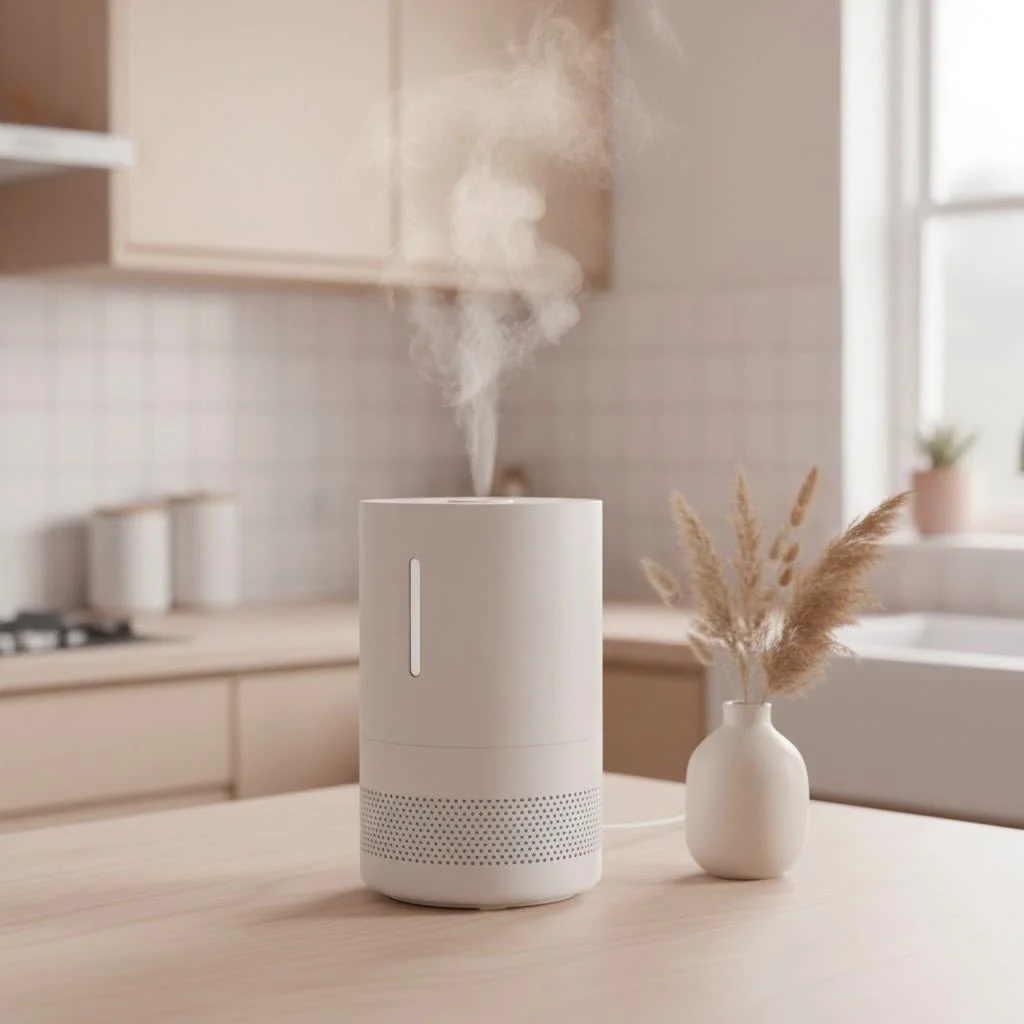
This guide explores how humidifiers work, the different types available, and essential usage and maintenance tips to ensure safe and effective relief from nasal congestion.
The Science Behind the Soothe: How Humidifiers Tackle Stuffy Noses
Dry air often exacerbates a stuffy nose by drying out delicate nasal passages and thickening mucus, making it difficult to clear. This irritation can lead to inflammation and swelling, intensifying the congested sensation.
A humidifier counters this by releasing fine water vapor or steam into the air, increasing the room’s humidity. This added moisture provides a dual benefit:
First, it soothes irritated tissues. Moist air is gentler on nasal linings and the throat, calming inflammation that contributes to stuffiness. Second, and most importantly, it thins out mucus. Rehydrated by moist air, mucus becomes thinner and less sticky, allowing for easier drainage and more effective nose blowing, ultimately improving breathing.
As Mark Jensen, a certified HVAC technician and air quality expert, advises, “Maintaining proper indoor humidity isn’t just about comfort; it’s a vital component of respiratory health, especially when you’re battling a stuffy nose. The moisture helps your body do what it’s naturally designed to do: keep your airways clear.”
Choosing Your Perfect Mist: Types of Humidifiers for Congestion Relief
Various types of humidifiers are available, each adding moisture to the air differently. Understanding these differences is crucial for selecting the best humidifier for stuffy nose relief.
Cool Mist Humidifiers: The Safe and Gentle Choice
Cool mist humidifiers release room-temperature mist, making them a safe choice for households with children or pets due to no burn risk. The American Academy of Pediatrics often recommends cool mist models for relieving cold symptoms in children.
Within the cool mist category, two main types exist:
- Evaporative Humidifiers: These use a fan to blow air through a wet wick filter, releasing invisible moisture. They are self-regulating, preventing over-humidification, but require regular filter changes and produce slight fan noise.
- Ultrasonic Humidifiers: These are quieter, using high-frequency sound vibrations to produce a fine, visible mist. They are ideal for bedrooms due to minimal noise. However, using tap water can cause “white dust” from mineral dispersal; distilled or demineralized water is highly recommended.
|
Our Picks for the Best Humidifier in 2026
As an Amazon Associate I earn from qualifying purchases.
|
||
| Num | Product | Action |
|---|---|---|
| 1 | LEVOIT - Humidifiers for Bedroom - Quiet (3L Water Tank) - Cool Mist/Top Fill/Essential Oil Diffuser/25Watt - Home/Large Room - 360° Nozzle - Rapid Ultrasonic Humidification for Baby Nursery/Plant |

|
| 2 | HealthSmart 500ML Essential Oil Diffuser for Large Rooms, Cool Mist Humidifier and Aromatherapy Diffuser, Adjustable Timer, Mist Mode and 7 LED Light Colors, White (Pack of 1) |
|
| 3 | Diffuserlove Essential Oil Diffusers 200ML Remote Control Ultrasonic Mist Humidifiers BPA-Free Aromatherapy Diffuser with 7 Color Lights, Auto Shut-Off for Bedroom Office Kitchen |
|
| 4 | Zeova 9L/2.4Gal Smart Cool Mist Humidifier, Top Fill Quiet Humidifier Large Room, Covers 550ft², App & Remote Control, 60H Runtime, 7 Colors Light, 4 Mist Modes Humidifiers for Bedroom, Office, White |
|
| 5 | Cool Mist Humidifiers - Essential Oil Top Fill Humidifier Cool Ultrasonic Humidifier Quiet Air Diffuser for Large Room & Easy to Clean with Filter & Oil Diffuser Plant Bedroom Humidifier |
|
| 6 | 13L/3.43Gal Humidifier Large Room, 800ft² Coverage, 100H Runtime, Auto Humidity Control, Top Fill, Humidifiers for Bedroom, 35dB Quiet, Sleep Mode, Aroma Diffuser, 24H Timer, Auto Shut-off Protection |
|
| 7 | DREO Humidifiers for Bedroom, Top-filled Smart Quiet Cool Mist Humidifier for Large Room, 50 Hours Runtime for Home, Indoor Plants, Oil Diffuser & Nightlight for Baby Nusery, 5L, with Alexa/Google |
|
| 8 | Breathe Essential Oil Blend 30 ml - Breath Sinus Relief with Menthol Oils - for Humidifiers, Diffusers, and Aromatherapy - Nexon Botanics |
|
| 9 | Delletir Cool Mist Humidifiers for Babies, Bedroom, Nursery, Home and Office - Super Quiet Ultrasonic Vaporizer, Large Top-Refill 3.5L, Essential Oil Diffuser, Auto Off, Easy Clean |
|
| 10 | DREO Humidifiers for Bedroom, Cool Mist Ultrasonic Humidifier with 26dB Quiet & RGB Lighting, Top Fill 3L Tank, Easy Clean, 30 Hr Runtime for Home, Baby, Plant, Nursery, Work with Google/Alexa |
|
Warm Mist Humidifiers (Vaporizers): A Cozy Comfort
Warm mist humidifiers, or vaporizers, heat water to boiling, releasing warm, sterile steam. Many adults find the warm mist soothing for a stuffy nose and sore throat, similar to a hot shower. The boiling process also helps kill some bacteria and mold in the water.
However, warm mist humidifiers pose a burn risk due to hot water and steam, making them less suitable for homes with young children or active pets. They also typically use more electricity than cool mist models.
Setting Up for Success: How to Effectively Use Your Humidifier for a Stuffy Nose
Correct usage is crucial to maximize benefits and avoid issues with your chosen humidifier.
Optimal Placement Matters
For congestion relief, place the humidifier in the room where you spend the most time, usually your bedroom. Position it a few feet (approximately 2 meters) from your bed, but not directly next to you, to ensure even mist dispersion without dampening immediate surroundings. Avoid placing it too close to walls, furniture, or curtains to prevent mold growth.
The Right Humidity Level: Finding the Sweet Spot
The ideal indoor humidity level for comfort and health, especially for a stuffy nose, is generally between 30% and 50%. Many modern humidifiers have a built-in humidistat to set target humidity. If not, use a separate hygrometer to monitor levels.
This range is vital because too little humidity dries nasal passages, while too much creates an environment for mold, mildew, and dust mites, which can worsen respiratory problems, allergies, and asthma. Condensation on windows or damp surfaces indicates excessive humidity.
Water Wisdom: What to Pour In
The type of water used is important, especially for ultrasonic models. Tap water contains minerals that, when dispersed by an ultrasonic humidifier, can create “white dust” and potentially irritate lungs. For this reason, using distilled or demineralized water is highly recommended, particularly with ultrasonic humidifiers, as it significantly reduces mineral residue and airborne particles. While evaporative and warm mist humidifiers are less prone to white dust, distilled water can still prevent mineral buildup, extending unit lifespan and reducing cleaning effort. Always consult your humidifier’s manual for specific water recommendations.
Beyond the Mist: Essential Humidifier Maintenance for Healthy Breathing
Proper maintenance is critical for a humidifier to be a health tool, not a hazard. A warm, moist environment can quickly become a breeding ground for mold, mildew, and bacteria if not cleaned diligently. These airborne contaminants can negate benefits and potentially lead to flu-like symptoms, allergies, or serious respiratory issues.
“Think of your humidifier like a water filter for the air,” explains Dr. Evelyn Reed, a leading pulmonologist and environmental health specialist. “If the filter isn’t clean, it can’t do its job effectively, and can even introduce new problems. Regular, thorough cleaning of your humidifier is paramount for maintaining healthy indoor air quality and truly benefiting your respiratory system.”
The Daily Ritual: Keeping It Clean
Establish a daily cleaning routine:
- Empty and Rinse: Daily, unplug and empty any remaining water from the tank and base. Do not reuse stale water.
- Wash: Rinse the tank and base thoroughly with fresh, hot tap water. Use a soft brush or cloth to gently scrub away any film or residue.
- Refill: Refill with fresh, clean water (distilled or demineralized water is preferred).
Weekly Deep Clean: Banishing Bugs and Buildup
Once a week, perform a thorough cleaning to sanitize and tackle mineral buildup:
- Disassemble: Unplug the unit and completely disassemble all removable parts.
- Sanitize: Use a solution of white vinegar or diluted chlorine bleach (check manual for ratios). Fill the tank with the solution and let it sit for 20-30 minutes. Soak smaller parts in this solution.
- Scrub and Rinse: After soaking, scrub away mineral deposits or slimy film. Rinse all components thoroughly under running water until the smell of vinegar or bleach is completely gone.
- Dry: Allow all parts to air dry completely before reassembling to prevent new growth.
When to Change Filters or Wicks
For humidifiers with filters or wicks (common in evaporative models), follow manufacturer guidelines for replacement. These components trap minerals and impurities; a dirty filter reduces efficiency and can release contaminants. Change filters if discolored, musty-smelling, or if mist output decreases.
Common Questions About Humidifiers and Stuffy Noses
Can a humidifier make a stuffy nose worse?
Yes, if not used or maintained properly. Excessively high humidity can promote mold, dust mites, and bacteria, which are allergens that worsen congestion. A dirty humidifier can also circulate harmful microorganisms, leading to respiratory issues.
How long should I run a humidifier for congestion?
You typically don’t need to run a humidifier 24/7. Many find relief by running it overnight in the bedroom or during active congestion, aiming to maintain humidity levels between 30% and 50%. Continuous operation can lead to over-humidification.
Is cool mist or warm mist better for a stuffy nose?
Both cool mist and warm mist humidifiers effectively relieve a stuffy nose by adding moisture to the air. Cool mist is generally recommended for households with children due to safety, while warm mist can be soothing for some adults. The key is consistent, clean humidification.
Can I use essential oils in my humidifier?
Most humidifiers are not designed for essential oils, and adding them directly to the water tank can damage the unit and void its warranty. If you want to use aromatherapy, look for humidifiers with a dedicated essential oil tray or use a separate diffuser. Direct inhalation of essential oils through a humidifier can also be irritating.
What humidity level is best for respiratory issues?
The optimal indoor humidity level for overall respiratory health and to alleviate issues like a stuffy nose is between 30% and 50%. This range inhibits mold and dust mite growth while adequately moisturizing airways and thinning mucus, promoting easier breathing and comfort.
Conclusion
A humidifier offers a simple, effective pathway to relief from a stuffy nose. By understanding how these devices work, choosing the right type, and committing to diligent maintenance, you can transform your indoor environment into a haven for clear, easy breathing. From soothing dry nasal passages to thinning stubborn mucus, a humidifier is an invaluable tool for respiratory health.
Embrace the power of balanced humidity, take care of your humidifier, and confidently step into a world where breathing easier is not just a wish, but a daily reality.
Frequently Asked Questions
- Can a humidifier make a stuffy nose worse?
- Yes, a humidifier can worsen a stuffy nose if not used or maintained properly. Excessively high humidity, above 50%, can promote the growth of mold, dust mites, and bacteria, which are common allergens that can exacerbate congestion and trigger allergy or asthma symptoms. A dirty humidifier can also circulate harmful microorganisms, leading to respiratory issues.
- How long should I run a humidifier for congestion?
- You typically don't need to run a humidifier 24/7. Many people find relief by running it overnight in the bedroom or during periods of active congestion. The goal is to maintain humidity levels between 30% and 50%. Continuous operation can lead to over-humidification and associated problems like mold growth.
- Is cool mist or warm mist better for a stuffy nose?
- Both cool mist and warm mist humidifiers effectively relieve a stuffy nose by adding moisture to the air. Cool mist is generally recommended for households with children due to safety, as there is no hot water involved. Warm mist can be soothing for some adults, offering a comforting sensation. The key is consistent, clean humidification, regardless of temperature.
- Can I use essential oils in my humidifier?
- Most humidifiers are not designed for essential oils, and adding them directly to the water tank can damage the unit and void its warranty. If you wish to use aromatherapy, look for humidifiers with a dedicated essential oil tray or consider a separate diffuser. Directly inhaling essential oils through a humidifier can also be irritating for some individuals.
- What humidity level is best for respiratory issues?
- The optimal indoor humidity level for overall respiratory health and to alleviate issues like a stuffy nose is between 30% and 50%. This range is low enough to inhibit mold and dust mite growth, yet high enough to adequately moisturize airways and thin mucus, promoting easier breathing and comfort. Monitoring with a hygrometer is recommended.

I was skeptical about a non-pharmacological tool for my stuffy nose, but this guide convinced me to try a warm mist humidifier. The difference is incredible! My nasal passages feel soothed, and I’m not waking up with that awful dry, irritated feeling anymore. It’s been a lifesaver for improving my breathing comfort.
I used to wake up every morning with such a dry, stuffy nose, especially during the winter. After reading about how humidifiers help thin mucus, I decided to try one. It’s made a huge difference! My nasal passages feel so much better, and I can actually breathe through my nose all night. Definitely recommend for anyone dealing with constant congestion.
I got a cool mist humidifier after seeing it mentioned for dry environments. It does help a bit with my stuffy nose, but I find myself refilling it almost every day, which is a bit of a hassle. I wish the water tank was larger so I didn’t have to do it so often. It’s okay, but not a total game-changer for me.
My doctor suggested I try a humidifier for my chronic stuffy nose, and I’m glad I did. I learned here about keeping indoor humidity between 30% and 50%, and that’s what I aim for. It really does make it easier to clear my nose in the mornings. Just remember to clean it regularly, as the maintenance tips are super important.