Ever walked into a room and felt that familiar dry, scratchy sensation in your throat, or noticed your skin feeling tight and flaky? Chances are, your indoor air is craving a little moisture. That’s where a trusty Humidifier steps in, transforming your living space into a haven of comfort and health. At Lammn.com, we understand the science behind optimal indoor air quality, and as a dedicated engineer with over a decade in humidity control, I’m here to guide you through everything you need to know about these essential devices. A humidifier isn’t just an appliance; it’s a vital component for a healthier, more comfortable home, tackling everything from dry sinuses to protecting your cherished wooden furniture.
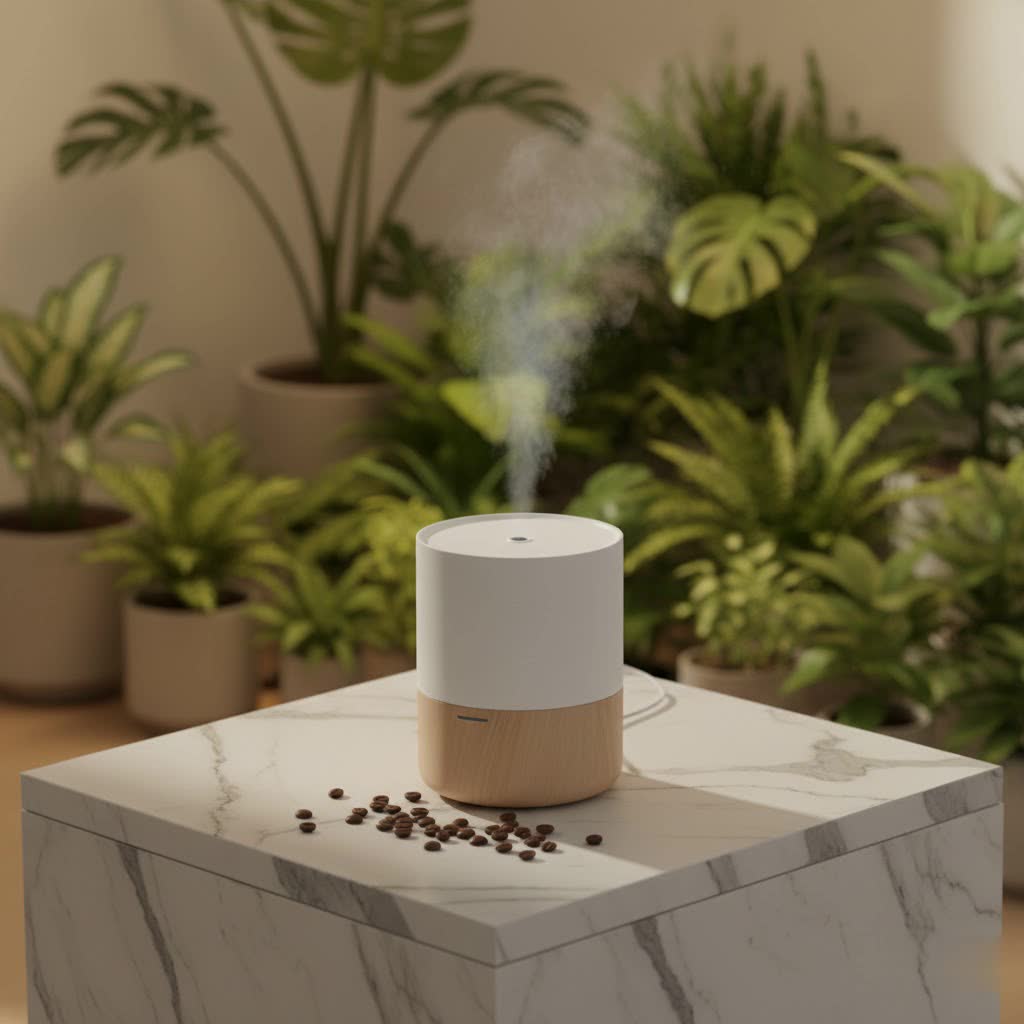
What Exactly is a Humidifier and Why Do You Need One?
At its core, a humidifier is a device designed to increase moisture (humidity) in the air. Think of it as your personal weather controller, especially during those parched winter months or in naturally dry climates. But what does “humidity” really mean? It’s simply the amount of water vapor present in the air. While we can’t see it, its effects are profound.
The sweet spot for indoor relative humidity, the measure of moisture in the air compared to the maximum it can hold at a given temperature, is typically between 40% and 50%. When humidity levels dip too low, it can lead to a host of unpleasant symptoms and even damage your home. A good humidifier combats this by steadily releasing water vapor, ensuring your environment stays comfortably within that ideal range. This isn’t just about feeling better; it’s about creating a proactive barrier against discomfort and maintaining the integrity of your home.
Unveiling the Benefits: How a Humidifier Elevates Your Health and Home
Incorporating a humidifier into your daily routine offers a surprising array of advantages, both for your personal well-being and the longevity of your home. Let’s dive into how this simple device can make a world of difference.
For Your Health
Dry air can be a real nuisance for your body, but a humidifier can be your secret weapon.
- Soothes Dry Skin, Lips, and Hair: When the air lacks moisture, it draws it from wherever it can—including your skin. This leads to dry, itchy, and even cracked skin, chapped lips, and brittle hair. By maintaining optimal humidity, a humidifier helps your skin retain its natural moisture, leaving it feeling softer, more hydrated, and looking healthier. Imagine waking up without that tight, flaky feeling!
- Relieves Respiratory Discomfort (Colds, Flu, Allergies, Asthma, Sinus Issues): Dry air irritates your nasal passages and throat, exacerbating symptoms of colds, flu, and allergies. A humidifier lubricates these delicate membranes, making it easier to breathe, soothing sore throats, and loosening congestion. Some studies even suggest that maintaining proper humidity levels (around 40-50%) can help reduce the transmission of airborne viruses, including the flu, especially during peak season.
- Reduces Snoring and Improves Sleep Quality: If you or a loved one struggles with snoring, dry air might be a culprit. Irritated, dry nasal passages can worsen snoring. By adding moisture to the air, a humidifier helps keep these passages moist and comfortable, potentially leading to a more peaceful night’s sleep for everyone.
- May Help Prevent Viral Transmission: Research indicates that viruses, like those causing the flu, survive and spread more readily in dry environments. By keeping indoor humidity between 40-50%, you can create an atmosphere that is less hospitable for these airborne invaders, contributing to a healthier home during cold and flu season. While it’s not a cure-all, it’s a valuable part of a holistic approach to wellness.
|
Our Picks for the Best Humidifier in 2026
As an Amazon Associate I earn from qualifying purchases.
|
||
| Num | Product | Action |
|---|---|---|
| 1 | 13L/3.43Gal Humidifier Large Room, 800ft² Coverage, 100H Runtime, Auto Humidity Control, Top Fill, Humidifiers for Bedroom, 35dB Quiet, Sleep Mode, Aroma Diffuser, 24H Timer, Auto Shut-off Protection |

|
| 2 | Zeova 9L/2.4Gal Smart Cool Mist Humidifier, Top Fill Quiet Humidifier Large Room, Covers 550ft², App & Remote Control, 60H Runtime, 7 Colors Light, 4 Mist Modes Humidifiers for Bedroom, Office, White |
|
| 3 | DREO Humidifiers for Bedroom, Cool Mist Ultrasonic Humidifier with 26dB Quiet & RGB Lighting, Top Fill 3L Tank, Easy Clean, 30 Hr Runtime for Home, Baby, Plant, Nursery, Work with Google/Alexa |
|
| 4 | Breathe Essential Oil Blend 30 ml - Breath Sinus Relief with Menthol Oils - for Humidifiers, Diffusers, and Aromatherapy - Nexon Botanics |
|
| 5 | LEVOIT - Humidifiers for Bedroom - Quiet (3L Water Tank) - Cool Mist/Top Fill/Essential Oil Diffuser/25Watt - Home/Large Room - 360° Nozzle - Rapid Ultrasonic Humidification for Baby Nursery/Plant |
|
| 6 | Cool Mist Humidifiers - Essential Oil Top Fill Humidifier Cool Ultrasonic Humidifier Quiet Air Diffuser for Large Room & Easy to Clean with Filter & Oil Diffuser Plant Bedroom Humidifier |
|
| 7 | HealthSmart 500ML Essential Oil Diffuser for Large Rooms, Cool Mist Humidifier and Aromatherapy Diffuser, Adjustable Timer, Mist Mode and 7 LED Light Colors, White (Pack of 1) |
|
| 8 | DREO Humidifiers for Bedroom, Top-filled Smart Quiet Cool Mist Humidifier for Large Room, 50 Hours Runtime for Home, Indoor Plants, Oil Diffuser & Nightlight for Baby Nusery, 5L, with Alexa/Google |
|
| 9 | Diffuserlove Essential Oil Diffusers 200ML Remote Control Ultrasonic Mist Humidifiers BPA-Free Aromatherapy Diffuser with 7 Color Lights, Auto Shut-Off for Bedroom Office Kitchen |
|
| 10 | Delletir Cool Mist Humidifiers for Babies, Bedroom, Nursery, Home and Office - Super Quiet Ultrasonic Vaporizer, Large Top-Refill 3.5L, Essential Oil Diffuser, Auto Off, Easy Clean |
|
For Your Home
The benefits of balanced humidity extend far beyond your body, offering protection and comfort to your living space.
- Protects Wood Furniture and Flooring: Wood is a natural material that reacts to changes in humidity. In dry conditions, wood can shrink, crack, and warp, leading to costly damage to your beautiful hardwood floors, antique furniture, and even musical instruments. A humidifier helps maintain consistent moisture levels, preserving the integrity and appearance of your wooden possessions.
- Reduces Static Electricity: Ever get a shock when touching a doorknob, or find your hair standing on end? That’s static electricity, a common byproduct of dry air. By increasing humidity, your humidifier can significantly reduce these annoying (and sometimes painful) shocks, making your home a more comfortable place to navigate.
- Helps Houseplants Thrive: Many houseplants, especially those originating from tropical climates, flourish in humid environments. If your plants are looking droopy or have dry leaf tips, a humidifier can provide the much-needed moisture they crave, helping them grow vibrant and healthy.
- Potentially Saves on Heating Costs: Humid air feels warmer than dry air at the same temperature. This means that by maintaining optimal humidity levels with your humidifier, you might be able to set your thermostat a degree or two lower in winter without sacrificing comfort, potentially leading to noticeable savings on your energy bills.
Decoding Humidifier Types: Finding Your Perfect Match
Just like cars, humidifiers come in various models, each with its own way of adding moisture to the air. Understanding the different types will help you choose the best humidifier for your specific needs and preferences.
Evaporative Humidifiers (Cool Mist)
These are arguably the most common type for residential use. They work by drawing air through a moistened wick or filter using a fan. As the air passes through, it evaporates water, releasing a cool, invisible mist into the room.
- Pros: Self-regulating (they naturally emit less moisture as humidity rises), energy-efficient, and generally don’t produce white dust if you use a good filter.
- Cons: Can be noisier due to the fan, and the wick filters require regular replacement to prevent mold and bacterial growth.
Ultrasonic Humidifiers (Cool/Warm Mist)
Ultrasonic humidifiers use high-frequency vibrations from a small metal diaphragm to create a superfine, cool or warm mist that quietly disperses into the air.
- Pros: Exceptionally quiet operation, making them ideal for bedrooms and nurseries. They are also energy-efficient.
- Cons: Can produce “white dust” (fine mineral particles) if you use hard tap water, which can settle on surfaces and potentially irritate respiratory systems. Using distilled water is often recommended. They also require diligent cleaning to prevent bacterial growth in the water reservoir.
Steam Vaporizers (Warm Mist)
These humidifiers heat water to boiling, creating steam that is then released into the air. This process naturally kills most bacteria and molds in the water before they become airborne.
- Pros: Produces a warm, comforting mist, effective in killing germs in the water, and can feel particularly soothing during cold and flu season.
- Cons: Higher energy consumption due to the heating element, and there’s a slight risk of burns if the unit is accidentally knocked over. They also accumulate mineral buildup from boiling water, requiring regular descaling.
Impeller Humidifiers (Cool Mist)
Impeller humidifiers use a rapidly rotating disc to fling water against a diffuser, which breaks the water into fine, cool droplets that float into the air.
- Pros: Produces a cool mist, making them a safe choice for households with children and pets as there’s no heating element.
- Cons: Can be noticeably noisier than ultrasonic models and may also produce white dust if hard water is used.
Central Humidifiers (Whole-House)
These systems are integrated directly into your home’s HVAC (heating, ventilation, and air conditioning) system, distributing moisture throughout your entire house via the ducts.
- Pros: Provides consistent humidity for the entire home, requires less frequent refilling and maintenance compared to portable units, and operates silently.
- Cons: Higher initial installation cost and typically requires professional installation.
Your Essential Guide to Humidifier Maintenance and Cleaning
As an expert in humidity control, I can’t stress this enough: proper maintenance is the cornerstone of effective and healthy humidification. A neglected humidifier can become a breeding ground for mold and bacteria, releasing these unwelcome guests into your air instead of beneficial moisture.
Why Cleanliness is Key
Regular cleaning prevents the buildup of mineral deposits (scale), mold, and bacteria. Mineral buildup reduces efficiency and can lead to “white dust” with certain models, while mold and bacteria can cause respiratory issues and unpleasant odors.
Daily Routine
- Empty and Rinse: Every day, empty any remaining water from the tank and basin. Don’t let water sit for extended periods, as this encourages bacterial growth.
- Refill with Fresh Water: Always refill with fresh, cool water. For ultrasonic models, using distilled water is highly recommended to prevent white dust.
Weekly Cleaning
When your humidifier is in regular use, a thorough weekly cleaning is crucial.
- Disassemble: Unplug the unit and carefully disassemble all removable parts, including the tank, basin, and any wicks or filters.
- Descale (Mineral Removal): Fill the water tank with a mixture of equal parts white vinegar and water. Pour some of this solution into the humidifier’s base. Let all parts soak for 20-30 minutes to dissolve mineral deposits. For stubborn buildup, you might need to gently scrub with a soft brush.
- Disinfect: After descaling, rinse all parts thoroughly. Then, for disinfection, you can use a diluted bleach solution (one teaspoon of bleach per gallon of water) if your manufacturer’s instructions allow. Submerge parts for 15-20 minutes, then rinse extremely thoroughly with clean water multiple times to ensure no bleach residue remains. Alternatively, some manufacturers offer approved cleaning solutions.
- Rinse and Dry: Rinse every component meticulously with clean water, then wipe them dry with a clean cloth or allow them to air dry completely before reassembling.
Filter Care
If your humidifier uses a wick or filter, check it regularly.
- Replacement: Filters typically need to be replaced every 30-60 days, or as recommended by the manufacturer, especially if they show discoloration, hardening, or emit an odor.
- Avoid Chemicals: Never attempt to clean filters with harsh chemicals or soaps, as this can damage them and introduce harmful substances into the air.
Water Quality
Using distilled water can significantly reduce mineral buildup and prevent white dust, particularly with ultrasonic humidifiers. Many models also offer demineralization cartridges that help filter minerals from tap water.
Seasonal Storage
When you’re done using your humidifier for the season, give it one final deep clean and ensure all parts are completely dry before storing it in a cool, dry place. Before bringing it out again, repeat the cleaning process to ensure it’s ready for safe and effective use.
Troubleshooting Common Humidifier Woes: Quick Fixes for a Smooth Run
Even the best humidifiers can occasionally act up. Don’t fret! Many common issues have straightforward solutions.
No Mist Production
- Check Water Level: Is the tank simply empty? This is often the simplest fix.
- Inspect Filter/Wick: For evaporative models, a clogged or old filter can prevent mist. Replace or clean it as per instructions.
- Mineral Buildup: In ultrasonic units, mineral deposits on the nebulizer (the part that vibrates) can block mist. Clean it thoroughly with a vinegar solution.
- Warm-up Time: Some warm mist humidifiers need a few minutes to heat up before producing steam.
- Proper Seating: Ensure the water tank is correctly seated on the base.
Leaking Water
- Overfilling: Check if you’ve filled the tank beyond the recommended maximum line.
- Tank Placement: Make sure the water tank is securely and correctly placed on the base.
- Cracks or Damage: Inspect the tank and base for any hairline cracks or damage that could be causing a slow leak.
- Loose Connections: For whole-house systems, check hoses and connections.
Unusual Noises
- Loose Parts: Rattling or vibrating sounds often indicate loose components. Disassemble and reassemble securely.
- Fan Obstruction/Dirt: For models with fans, dust or debris can cause noise. Clean the fan assembly gently.
- Uneven Surface: Ensure the humidifier is placed on a stable, level surface.
- Motor Lubrication: If a motor is unusually loud, consult the manufacturer’s manual for lubrication advice or consider professional service.
White Dust
- Hard Water: This is almost always caused by minerals in hard tap water. Switch to distilled water, or use a demineralization cartridge.
- Regular Cleaning: Consistent cleaning helps remove mineral buildup before it can become airborne.
Bad Odors
- Mold or Bacteria: A musty or unpleasant smell is a clear sign of mold or bacterial growth. Perform a thorough cleaning and disinfection as described in the maintenance section.
- Stagnant Water: Always use fresh water daily.
Not Turning On
- Power Connection: Ensure the power cord is firmly plugged into both the unit and a working wall outlet.
- Circuit Breaker/Fuse: Check your home’s circuit breaker or the humidifier’s internal fuse (if accessible and specified in the manual).
- Control Lock: Some models have a control lock feature; make sure it’s disengaged.
- Humidistat Setting: The humidistat might be set too low, meaning the unit won’t turn on if the room humidity is already above the desired level.
Expert Insight from Lammn.com
“Understanding your humidifier is like understanding a finely tuned machine,” says Mark L. Davies, lead engineer at Lammn.com. “The right type, paired with consistent, meticulous maintenance, is critical not just for extending its lifespan but, more importantly, for ensuring it delivers truly healthy air to your home. Don’t compromise on water quality or skip those cleaning days; your lungs and your home will thank you.”
FAQs: Your Humidifier Questions Answered
1. What is the ideal humidity level for a home?
The generally recommended indoor relative humidity level is between 40% and 50%. This range is comfortable for most people and helps prevent issues like dry skin, respiratory irritation, and damage to your home.
2. Can I use tap water in my humidifier?
While you can use tap water, it’s often not ideal, especially with ultrasonic humidifiers. Tap water contains minerals that can create “white dust” and contribute to mineral buildup within the unit. Distilled water is recommended to avoid these issues.
3. How often should I clean my humidifier?
For daily use, you should rinse and refill the water tank daily. A more thorough cleaning, including descaling and disinfecting, should be performed weekly to prevent mold, bacteria, and mineral buildup.
4. Why is my humidifier producing white dust?
White dust is typically caused by minerals present in hard tap water being released into the air as the water evaporates. To prevent this, use distilled water or a demineralization cartridge, and clean your humidifier regularly.
5. Are warm mist or cool mist humidifiers better?
Neither is inherently “better”; it depends on your preference and needs. Cool mist humidifiers are safer for homes with children and pets (no burn risk) and can be more energy-efficient (evaporative types). Warm mist humidifiers (steam vaporizers) kill germs in the water and can add a comforting warmth to the air, which is often preferred during colder months.
6. Can a humidifier help with my child’s cough?
Yes, a humidifier, particularly a cool mist one, can often help soothe a child’s cough by adding moisture to the air. This helps loosen mucus and ease congestion, making breathing more comfortable. Always consult with a pediatrician for specific medical advice.
7. How do I know which type of humidifier is right for me?
Consider your room size, noise tolerance, desired mist type (cool vs. warm), maintenance preferences, and whether you have children or pets. For quiet operation, ultrasonic is great. For low maintenance and large rooms, evaporative. For germ-killing and warmth, a steam vaporizer.
Elevate Your Air, Elevate Your Life
Hopefully, this comprehensive guide has shed some light on the incredible world of humidifiers. As you can see, these humble devices are powerhouses when it comes to enhancing both your health and the comfort of your home. From soothing dry skin and improving respiratory health to protecting your valuable wooden furnishings, a well-chosen and properly maintained humidifier is an investment in your well-being.
Don’t let dry air dictate your comfort any longer. Take control of your indoor environment, choose the right humidifier for you, and commit to consistent maintenance. Your body, your home, and even your houseplants will thank you. For more in-depth guides, product reviews, and expert tips on maintaining optimal indoor air quality, make sure to visit Lammn.com. We’re always here to help you breathe easier and live better. What are your experiences with humidifiers? Share your thoughts and questions with us – we love hearing from our community!
