Ever walked into your home during the colder months and felt that uncomfortable dryness in the air? Perhaps your skin feels tight, your throat is scratchy, or you wake up with a stuffy nose. These common complaints are often symptoms of low indoor humidity, and that’s where a trusty Warm Air Humidifier comes in. As an engineer with over a decade in humidity control and the main content writer for Lammn.com, I’ve seen firsthand how these clever devices can transform your living space into a haven of comfort and health. This comprehensive guide will walk you through everything you need to know about warm air humidifiers, from how they work to why they might be the perfect fit for your home, and crucially, how to keep them running flawlessly.
Understanding the Warm Air Humidifier: How It Works Its Magic
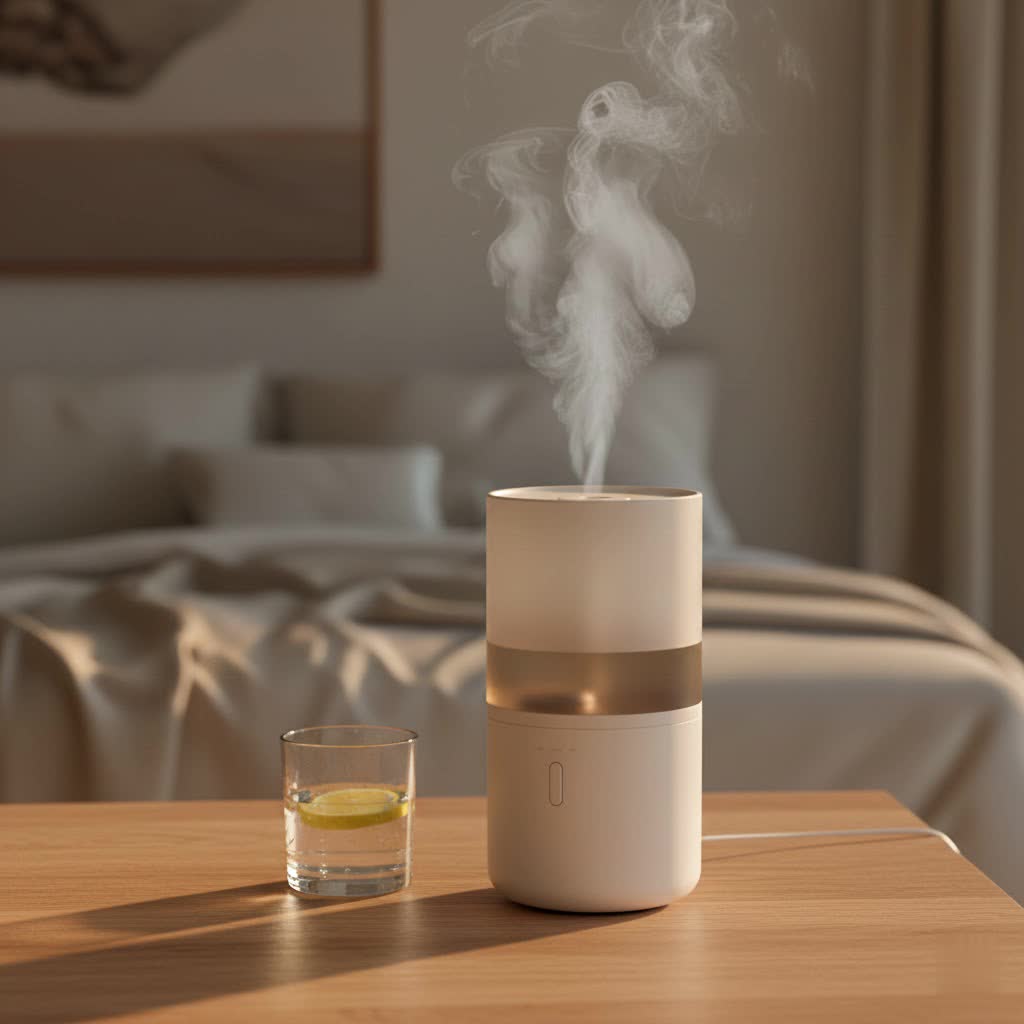
At its core, a warm air humidifier, often referred to as a steam vaporizer, operates on a beautifully simple yet highly effective principle: boiling water. Inside the unit, an internal heating element brings water from a reservoir to its boiling point, creating pure, clean steam. This steam is then released into the air as a warm, fine mist, gently elevating the humidity levels in your room.
One of the most significant advantages of this boiling process is the natural sterilization it provides. The intense heat effectively kills most bacteria, mold spores, and other impurities present in the water, ensuring that the mist dispersed into your home is exceptionally clean and hygienic. Unlike many cool mist counterparts, warm mist humidifiers typically don’t rely on fans to propel the moisture, which often translates to a delightfully quieter operation. This makes them an ideal choice for bedrooms, nurseries, or any space where peace and quiet are paramount.
The Soothing Benefits of Warm Mist: More Than Just Moisture
Beyond simply adding moisture, warm air humidifiers offer a unique set of benefits that can significantly impact your health and overall home comfort.
Health Benefits During Colder Seasons
|
Our Picks for the Best Humidifier in 2026
As an Amazon Associate I earn from qualifying purchases.
|
||
| Num | Product | Action |
|---|---|---|
| 1 | DREO Humidifiers for Bedroom, Top-filled Smart Quiet Cool Mist Humidifier for Large Room, 50 Hours Runtime for Home, Indoor Plants, Oil Diffuser & Nightlight for Baby Nusery, 5L, with Alexa/Google |

|
| 2 | 13L/3.43Gal Humidifier Large Room, 800ft² Coverage, 100H Runtime, Auto Humidity Control, Top Fill, Humidifiers for Bedroom, 35dB Quiet, Sleep Mode, Aroma Diffuser, 24H Timer, Auto Shut-off Protection |
|
| 3 | Delletir Cool Mist Humidifiers for Babies, Bedroom, Nursery, Home and Office - Super Quiet Ultrasonic Vaporizer, Large Top-Refill 3.5L, Essential Oil Diffuser, Auto Off, Easy Clean |
|
| 4 | LEVOIT - Humidifiers for Bedroom - Quiet (3L Water Tank) - Cool Mist/Top Fill/Essential Oil Diffuser/25Watt - Home/Large Room - 360° Nozzle - Rapid Ultrasonic Humidification for Baby Nursery/Plant |
|
| 5 | Diffuserlove Essential Oil Diffusers 200ML Remote Control Ultrasonic Mist Humidifiers BPA-Free Aromatherapy Diffuser with 7 Color Lights, Auto Shut-Off for Bedroom Office Kitchen |
|
| 6 | Zeova 9L/2.4Gal Smart Cool Mist Humidifier, Top Fill Quiet Humidifier Large Room, Covers 550ft², App & Remote Control, 60H Runtime, 7 Colors Light, 4 Mist Modes Humidifiers for Bedroom, Office, White |
|
| 7 | HealthSmart 500ML Essential Oil Diffuser for Large Rooms, Cool Mist Humidifier and Aromatherapy Diffuser, Adjustable Timer, Mist Mode and 7 LED Light Colors, White (Pack of 1) |
|
| 8 | Breathe Essential Oil Blend 30 ml - Breath Sinus Relief with Menthol Oils - for Humidifiers, Diffusers, and Aromatherapy - Nexon Botanics |
|
| 9 | Cool Mist Humidifiers - Essential Oil Top Fill Humidifier Cool Ultrasonic Humidifier Quiet Air Diffuser for Large Room & Easy to Clean with Filter & Oil Diffuser Plant Bedroom Humidifier |
|
| 10 | DREO Humidifiers for Bedroom, Cool Mist Ultrasonic Humidifier with 26dB Quiet & RGB Lighting, Top Fill 3L Tank, Easy Clean, 30 Hr Runtime for Home, Baby, Plant, Nursery, Work with Google/Alexa |
|
During cold and flu season, a warm air humidifier can be a true game-changer. The warm vapor provides a soothing effect on irritated respiratory passages, helping to loosen congestion, ease a persistent cough, and alleviate dry, scratchy throats. “The gentle, warm mist is often preferred by those suffering from upper respiratory symptoms, as it mimics the comforting sensation of steam inhalation, helping to break up mucus and promote clearer breathing,” explains Dr. Evelyn Reed, a leading Environmental Health Specialist. This naturally sterilized mist means you’re breathing in cleaner air, potentially reducing the spread of airborne viruses. Furthermore, maintaining optimal indoor humidity levels (ideally between 30% and 50%) can prevent excessive dryness that irritates delicate skin, leading to relief from dry, flaky skin and chapped lips. Even your vocal cords can benefit, staying moist and potentially improving voice quality, especially for those who use their voice extensively.
Comfort and Home Enhancement
The benefits extend beyond your well-being. A warm air humidifier can subtly add a comforting warmth to your room, making your living space feel cozier during chilly months. This slight increase in perceived temperature can even lead to a reduction in your heating bill, as you might find yourself turning down the thermostat a degree or two without sacrificing comfort. Dry air is a notorious culprit for static electricity, causing annoying shocks and making laundry cling. By introducing moisture, warm mist humidifiers significantly reduce static buildup, creating a more pleasant environment. Moreover, maintaining balanced humidity is crucial for preserving your home itself, from preventing wooden furniture and floors from cracking to supporting the health and vibrancy of your indoor plants.
Warm Mist vs. Cool Mist Humidifiers: A Head-to-Head Comparison
Choosing between a warm mist and a cool mist humidifier is a common dilemma, and understanding their differences is key to making the right decision for your home.
The Warm Mist Edge
As we’ve discussed, warm mist humidifiers boast a distinct advantage in providing germ-free moisture due to their boiling process. Their fan-less operation means they are generally quieter, making them excellent for noise-sensitive areas. The comforting warmth they emit is particularly welcoming in cooler climates, and many models allow for the addition of medicinal inhalants or essential oils through special trays, offering therapeutic relief. Plus, many warm mist units are filter-free, eliminating the hassle and recurring cost of filter replacements.
Considering the Drawbacks
However, warm mist humidifiers do come with their own set of considerations. The most critical is safety: the presence of boiling water and hot steam presents a burn risk, especially for households with young children or pets. Placement is paramount to prevent accidental spills or contact with the hot element. They also tend to consume more energy than their cool mist counterparts because heating water requires more power. Another factor to keep in mind is the potential for mineral buildup, or “scale,” on the heating element. This requires regular, thorough cleaning to maintain efficiency. While the mist itself is sterile, if the room’s humidity becomes excessively high, it can create an environment conducive to mold growth in the room rather than in the unit itself.
The Cool Mist Alternative
Cool mist humidifiers come in two main types: evaporative (using a fan and a wick filter) and ultrasonic (using high-frequency vibrations). They are generally considered safer for homes with children and pets due to the absence of hot water or steam. They are also more energy-efficient and, with their fan-driven dispersion, are often better suited for humidifying larger areas. Cool mist can make a room feel cooler, which is a welcome benefit in warmer climates. However, cool mist humidifiers can be noisier due to fans, and evaporative models require regular filter replacement, which incurs ongoing costs and, if neglected, can lead to the spread of bacteria and mold. Ultrasonic cool mist humidifiers, if using hard tap water, can also produce “white dust” from mineral deposits settling on surfaces.
Making Your Choice Wisely
Ultimately, the choice between warm and cool mist often boils down to your specific needs and environment. If you prioritize germ-free moisture, seek quiet operation, appreciate a touch of warmth, and don’t have active children or pets that could pose a burn risk, a warm air humidifier could be your perfect match. For families with young ones or pets, or if energy efficiency is a top concern, a cool mist humidifier might be more appropriate. Always consider your climate, room size, and your willingness to commit to the required cleaning regimen for either type.
Keeping Your Warm Air Humidifier Pristine: Essential Maintenance & Care
Regardless of the type, a humidifier is only as good as its maintenance. Neglecting to clean your warm air humidifier can lead to the growth of mold and bacteria, which can then be dispersed into your air, potentially causing respiratory issues, especially for those with allergies or asthma. Regular cleaning also prevents mineral buildup, which can impair your unit’s performance and shorten its lifespan.
Your Daily Routine
The simplest step is often the most impactful. Each day you use your humidifier, get into the habit of emptying any remaining water from the tank and rinsing it thoroughly with clean water. This prevents stagnant water from becoming a breeding ground for microorganisms. Always ensure the unit is unplugged before cleaning any part.
The Weekly Deep Clean: Descale and Disinfect
Once a week, or every few days if you use it frequently, your warm air humidifier needs a more thorough cleaning to tackle mineral deposits and disinfect the unit. Remember, never mix bleach and vinegar, as this can create dangerous toxic fumes.
-
Descaling with White Vinegar:
- Unplug the humidifier and disassemble all removable parts (water tank, heating element cover, trays).
- Pour undiluted white vinegar directly into the base, ensuring the heating element is fully submerged. For the water tank, you can use one to two cups of vinegar, swishing it around to coat the interior.
- Let the vinegar soak for at least 20-30 minutes, or even a few hours for stubborn buildup. The acid in the vinegar will break down the mineral deposits.
- While soaking, use a soft-bristled brush (an old toothbrush works wonders) to gently scrub away any loosened scale from the heating element and other parts.
- Empty the vinegar solution and rinse all parts thoroughly with clean water until the vinegar smell is gone.
-
Disinfecting with Bleach Solution:
- After descaling and rinsing, it’s time to disinfect. Prepare a solution of ½ gallon (approximately 1.9 liters) of water mixed with ½ teaspoon of liquid chlorine bleach.
- Pour this solution into the water tank, replace the cap, and gently swish to coat the entire inside.
- Place the water tank back on the base, allowing the bleach solution to drain into the water tray. Let it soak for about 20 minutes.
- Carefully empty the bleach solution into the sink and rinse all components thoroughly with clean water until the smell of bleach is completely gone. Residual bleach can be harmful if inhaled.
Water Matters: The Distilled Difference
To minimize the dreaded mineral buildup, consider using distilled water in your warm air humidifier. Tap water, especially hard water, contains minerals that contribute to scale and can also be released as fine “white dust” (though less common with warm mist, it still contributes to residue). Distilled water is purified, dramatically reducing these issues.
Monitor Your Humidity Levels
An essential tool for any humidifier user is a hygrometer, which measures the humidity in your room. Aim to keep your indoor humidity between 30% and 50%. Levels above 50% can encourage mold and mildew growth, which can be detrimental to both your home and your health.
Seasonal Storage
When the warmer months arrive and your humidifier takes a break, give it one final, thorough deep clean and ensure all parts are completely dry before storing it in a cool, dry place. This prevents any residual moisture from fostering mold during storage. When you bring it out again for the next dry season, repeat the cleaning process to ensure it’s ready for safe and efficient use.
Troubleshooting Common Warm Air Humidifier Issues
Even with the best care, you might encounter a few hiccups. Here are quick fixes for common problems:
- No Mist or Low Output: This is almost always due to significant mineral buildup on the heating element. A thorough descaling with vinegar should resolve it. Ensure the water level is sufficient.
- Unusual Odors: A musty or unpleasant smell indicates bacterial or mold growth. It’s time for a deep clean and disinfection. Using distilled water can also help prevent this.
- Excessive Humidity: If your windows are condensing or the air feels damp, your humidity levels are too high. Reduce the humidifier’s output setting or use it for shorter periods. A hygrometer will be your best guide.
Expert Insights for Optimal Humidifier Use
“Maintaining precise indoor humidity is a critical component of environmental health, particularly in modern, well-sealed homes,” says Dr. Reed. “Warm air humidifiers, when used correctly and cleaned diligently, are excellent tools for this. They offer the unique advantage of sterilized mist, which can be very reassuring for families during cold season. However, understanding their nuances, especially concerning safety and cleaning, empowers users to maximize benefits while mitigating potential risks.”
Frequently Asked Questions (FAQs)
Q: Can I use tap water in my warm mist humidifier?
A: While you can use tap water, it’s highly recommended to use distilled water. Tap water, especially hard water, contains minerals that will lead to faster and heavier scale buildup on the heating element, requiring more frequent and rigorous cleaning.
Q: Is a warm mist humidifier safe for a baby’s room?
A: Warm mist humidifiers involve a heating element and hot water, posing a burn risk. For this reason, many experts and organizations, including the Mayo Clinic, recommend cool mist humidifiers for children’s rooms to eliminate the risk of burns from hot water or steam. If you do use a warm mist humidifier, ensure it is placed completely out of reach of children and pets on a stable surface.
Q: How often should I clean my warm mist humidifier?
A: You should empty and rinse the water tank daily. A deep clean, including descaling and disinfecting, should be performed at least once a week during periods of regular use.
Q: Can I add essential oils to a warm mist humidifier?
A: Many warm mist humidifiers come with a dedicated essential oil tray or cup separate from the water reservoir. If your model has this feature, you can add essential oils to it. Never add essential oils directly into the water tank unless the manufacturer specifically states it’s safe for that model, as it can damage plastic components or affect the unit’s function.
Q: Does a warm mist humidifier really make a room feel warmer?
A: Yes, it can! While it won’t drastically raise the room’s temperature, the warm mist released into the air can make the room feel noticeably cozier, especially in cold, dry environments. This can contribute to a sense of comfort and potentially allow you to lower your thermostat slightly.
Conclusion
A warm air humidifier is more than just an appliance; it’s a powerful tool for cultivating a healthier, more comfortable living environment, particularly when the outdoor air turns dry and cold. By understanding how these units work, embracing their unique germ-killing and soothing benefits, and committing to a consistent maintenance routine, you can confidently transform your home. At Lammn, we believe in empowering you with the knowledge to make the best choices for your indoor air quality. So go ahead, choose wisely, maintain diligently, and breathe easier in your perfectly humidified sanctuary.
